Rare 1965 Roosevelt Dime Could Be Worth Up to $9,000 Due to Minting Error
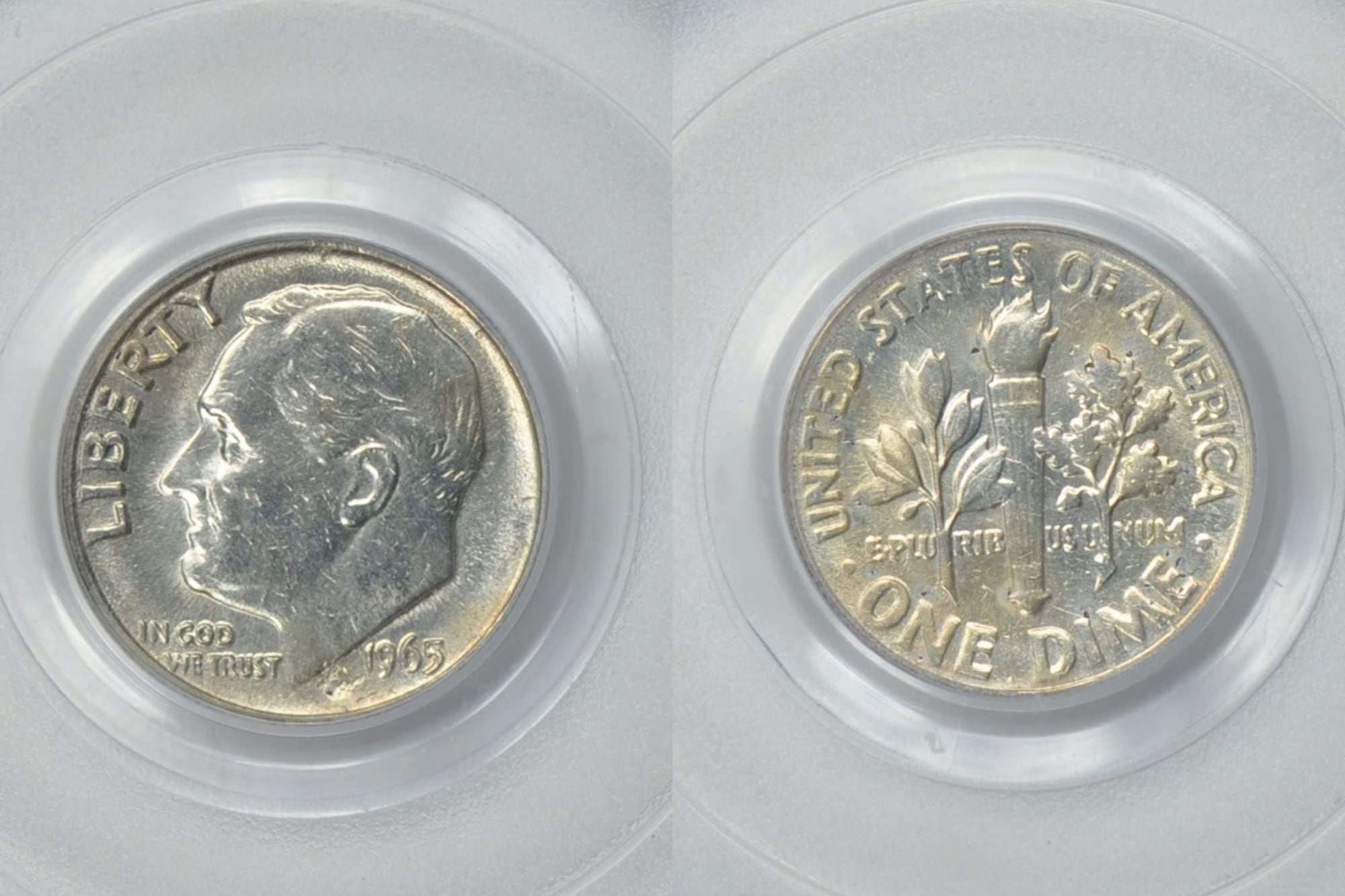
A specific 1965 Roosevelt dime is attracting attention from collectors and could be worth as much as $9,000. This particular coin is valuable due to a significant minting error, often referred to as a "transition error." These errors occur when a coin is struck using the wrong planchet, which is the blank metal disc that is supposed to be used for a specific denomination. In the case of this dime, it is believed to have been struck on a planchet intended for a different type of coin, leading to its unique characteristics. The rarity and the specific nature of this minting anomaly make it highly sought after by numismatists. Collectors are actively looking for these transition error dimes, recognizing their potential for significant value. Identifying such a coin requires careful examination of its features, particularly those that deviate from standard production. The market for rare coins, especially those with documented errors, can be quite robust, driven by the desire to own unique pieces of minting history.
The value of this 1965 Roosevelt dime is driven by a rare minting anomaly, highlighting how deviations from standard production processes can create significant numismatic value. This phenomenon underscores the inherent unpredictability in large-scale manufacturing and the subsequent market dynamics that assign premium prices to such imperfections. From a systems perspective, such errors can prompt reviews of quality control mechanisms within minting facilities to mitigate future occurrences. For collectors, the appeal lies in possessing a tangible piece of history that represents a departure from the norm, offering a unique investment opportunity based on scarcity and historical context rather than intrinsic material worth. This event serves as a reminder of how even minor production variations can lead to substantial economic disparities in specialized markets.
AI-generated to prompt reflection — not editorial opinion, not advice, not a statement of fact. How this works.