Rare 19th Century Greek Classics Translations Discovered in Rio Archives
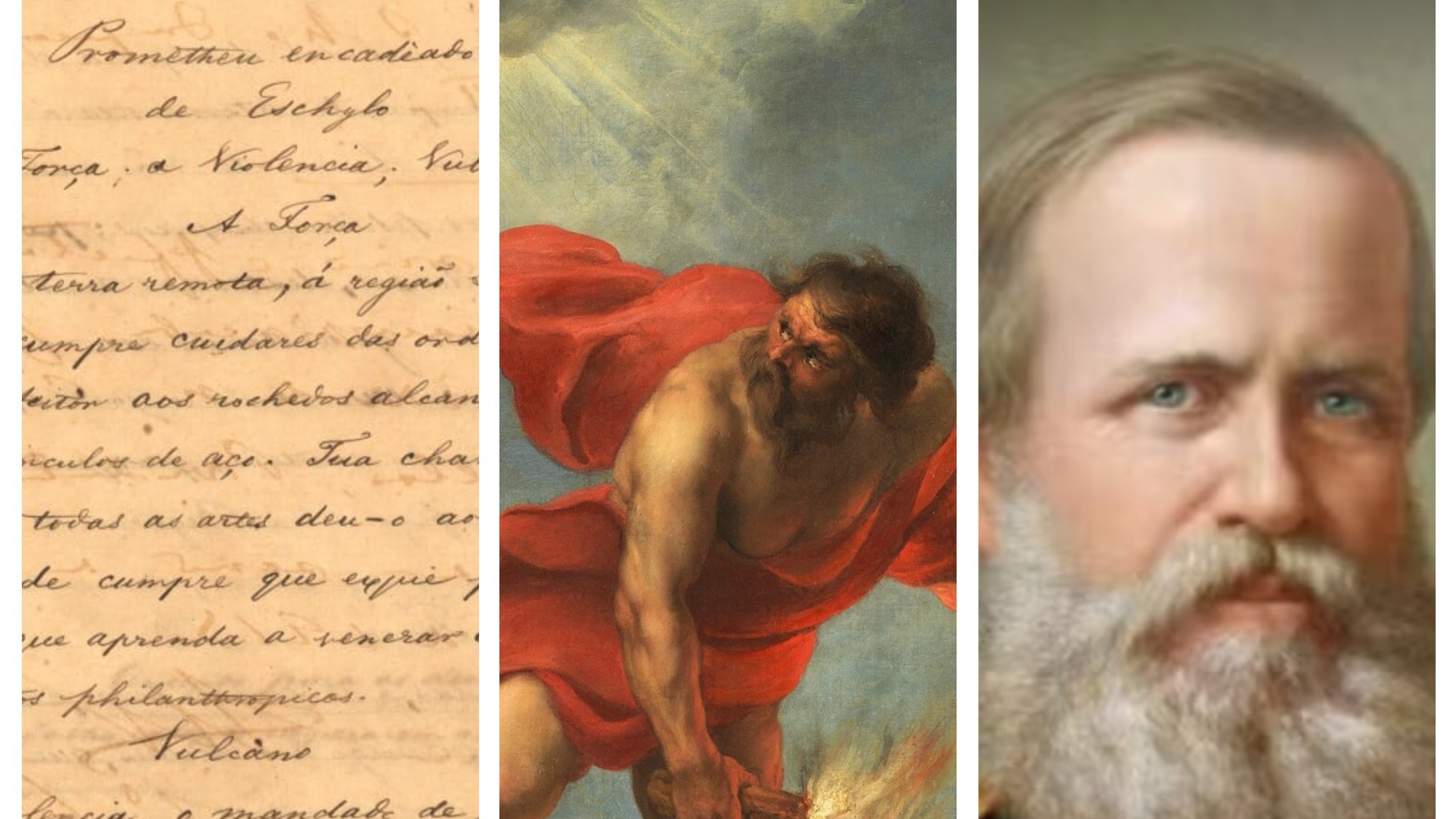
Manuscripts containing 19th-century translations of ancient Greek literary works, including Homer's 'Iliad' and Aeschylus' 'Prometheus Bound,' have been uncovered in Rio de Janeiro archives. These rare texts offer a glimpse into the intellectual interests of Brazil's Imperial era. Notably, some translations were personally penned by Emperor Dom Pedro II himself, showcasing his dedication to classical literature. Other significant contributions include translations by Frei José de Santa Maria Amaral, a philosophy professor to the Emperor's daughters, and Odorico Mendes, recognized as a pioneer in translating Greek classics into Portuguese.
These rediscovered manuscripts were preserved for decades within institutions like the National Library, the Brazilian Historical and Geographical Institute, and the Imperial Museum of Petrópolis. Researcher Ricardo Neves dos Santos played a key role in bringing these works to light, transcribing and publishing Dom Pedro II's translation of 'Prometheus Bound' in 2023. He also identified Frei José de Santa Maria Amaral's connection to the Emperor's circle. While many of these valuable texts have been located, one significant translation of Homer's 'Odyssey' by Dom Pedro II, frequently mentioned in his diaries, remains elusive and is considered a major potential discovery.
The rediscovery coincides with the recent cinematic release of Christopher Nolan's film adaptation of 'The Odyssey,' sparking renewed public interest in these ancient Greek epics. The translations highlight a period when classical Greek literature was actively studied and translated within the Brazilian intellectual and royal courts, demonstrating a rich cultural exchange that predates modern adaptations.
The rediscovery of these 19th-century translations of Greek classics in Brazil's archives underscores the enduring legacy of classical education and its role in shaping national intellectual identity. The personal involvement of Emperor Dom Pedro II suggests a deliberate state-sponsored cultural policy aimed at integrating Western classical traditions into Brazilian society. This historical precedent offers a lens through which to view contemporary cultural preservation efforts and the potential for state-supported arts and humanities initiatives. The contrast between these meticulously translated ancient texts and modern cinematic adaptations highlights evolving modes of cultural consumption and the persistent human fascination with foundational narratives across millennia, prompting reflection on how societies engage with their intellectual heritage in different eras.
AI-generated to prompt reflection — not editorial opinion, not advice, not a statement of fact. How this works.