Rare Atlantic Forest Fish Found Using Environmental DNA in Brazilian Streams
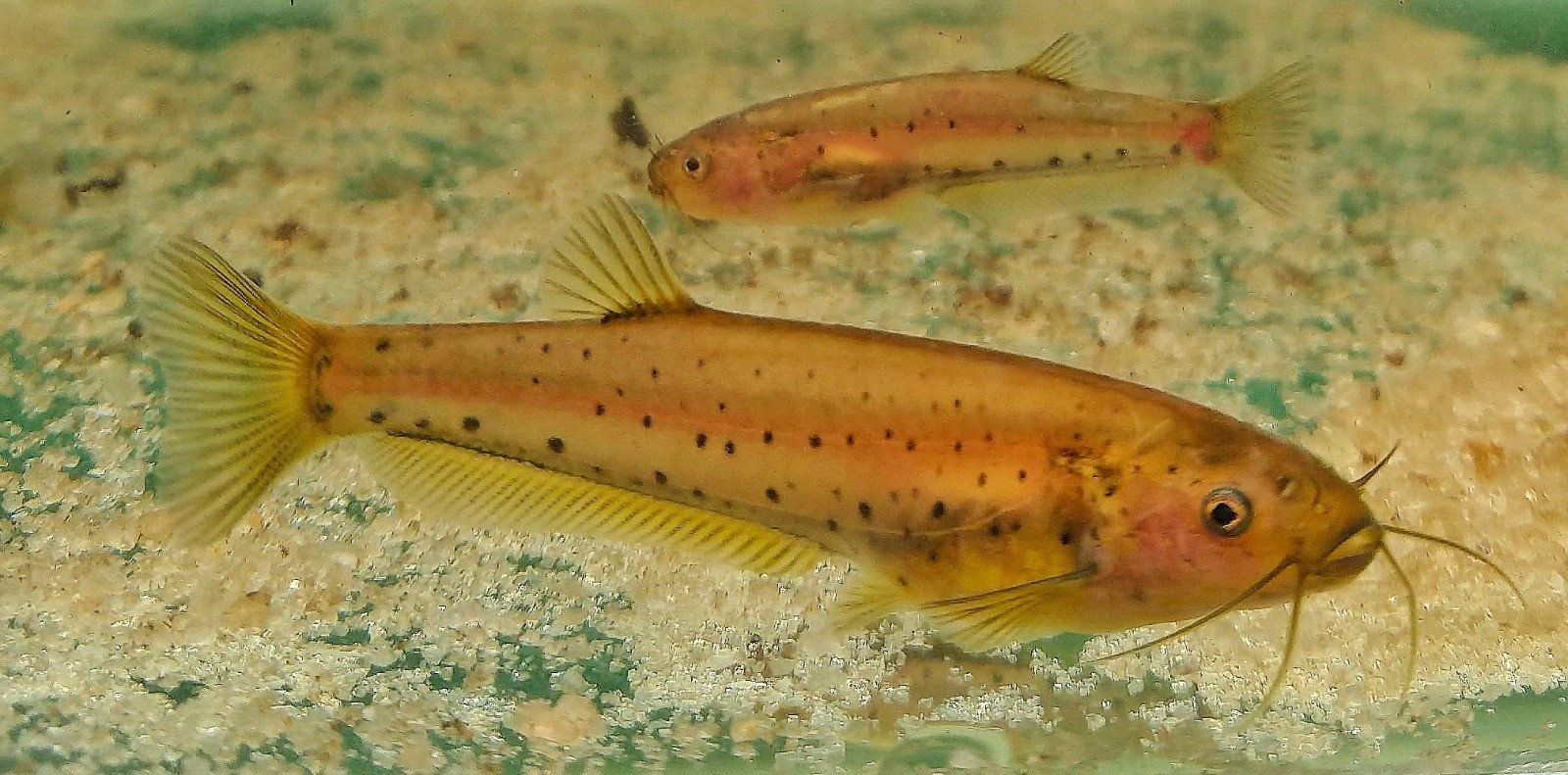
Scientists have discovered a critically endangered fish species, the bagrinho-de-kaetés (Trichogenes claviger), in streams within the Itapemirim River basin in southern Espírito Santo, Brazil, without needing to capture any individuals. The breakthrough was achieved using environmental DNA (eDNA) analysis, a technique that identifies genetic traces left by animals in water. The study detected the fish's presence at three of ten sampled locations, significantly expanding its known distribution area within the Atlantic Forest, a region known for its rarity. This research was a collaborative effort involving the National Institute of the Atlantic Forest (INMA), the Federal University of Espírito Santo (UFES), the Pontifical Catholic University of Minas Gerais (PUC-MG), and the Nossos Riachos Institute, with findings published in the journal Neotropical Ichthyology. Beyond the bagrinho, the eDNA analysis identified 25 other vertebrate species, including 15 fish species, as well as birds and mammals. The lead researcher, Juliana Paulo da Silva from INMA, highlighted that eDNA greatly enhances the ability to detect “invisible biodiversity” and proved more effective than traditional collection methods, identifying more than double the species per sampling point. The bagrinho-de-kaetés is endemic to the headwaters of the Itapemirim River basin, living in specific habitats with clear, oxygenated water surrounded by preserved forests, making it difficult to find. Its survival is directly linked to the conservation of these pristine environments, as deforestation and watercourse silting threaten its habitat. As an ancient lineage of catfish, the species is crucial for understanding fish evolution. The eDNA technique works by analyzing genetic material shed by organisms, such as scales and mucus, allowing for the detection of rare or elusive species without direct capture. This non-invasive method is particularly valuable for monitoring threatened species and their habitats. The study underscores the rich, yet understudied, biodiversity of Atlantic Forest headwater streams, demonstrating that new technologies can reveal previously unnoticed populations. While the discovery of a new population is positive, researchers emphasize that the species remains critically endangered due to its restricted range and dependence on highly preserved environments. This new data, however, allows for more precise conservation planning. The technology also promises more accurate future monitoring of the bagrinho and its vulnerable habitat. The research also identified invasive species like tilapia and an endangered bird, reinforcing the importance of small watercourses for unique biodiversity.
This discovery highlights the transformative potential of environmental DNA (eDNA) technology in biodiversity monitoring, offering a less invasive and potentially more comprehensive alternative to traditional field methods. The application of eDNA in detecting a critically endangered species like Trichogenes claviger demonstrates its utility in identifying populations in challenging environments or those with low abundance. This advancement can significantly improve conservation planning by providing more accurate distribution data for vulnerable species. The study also implicitly points to the ongoing challenges of habitat preservation in the Atlantic Forest, emphasizing that even small, seemingly insignificant watercourses can harbor unique and irreplaceable biodiversity. As climate change and anthropogenic pressures intensify, the ability to efficiently and accurately survey these ecosystems will be crucial for safeguarding evolutionary lineages and ecosystem services.
AI-generated to prompt reflection — not editorial opinion, not advice, not a statement of fact. How this works.