Rare Bioluminescent Sea Phenomenon Dazzles Beachgoers in Ceará, Brazil
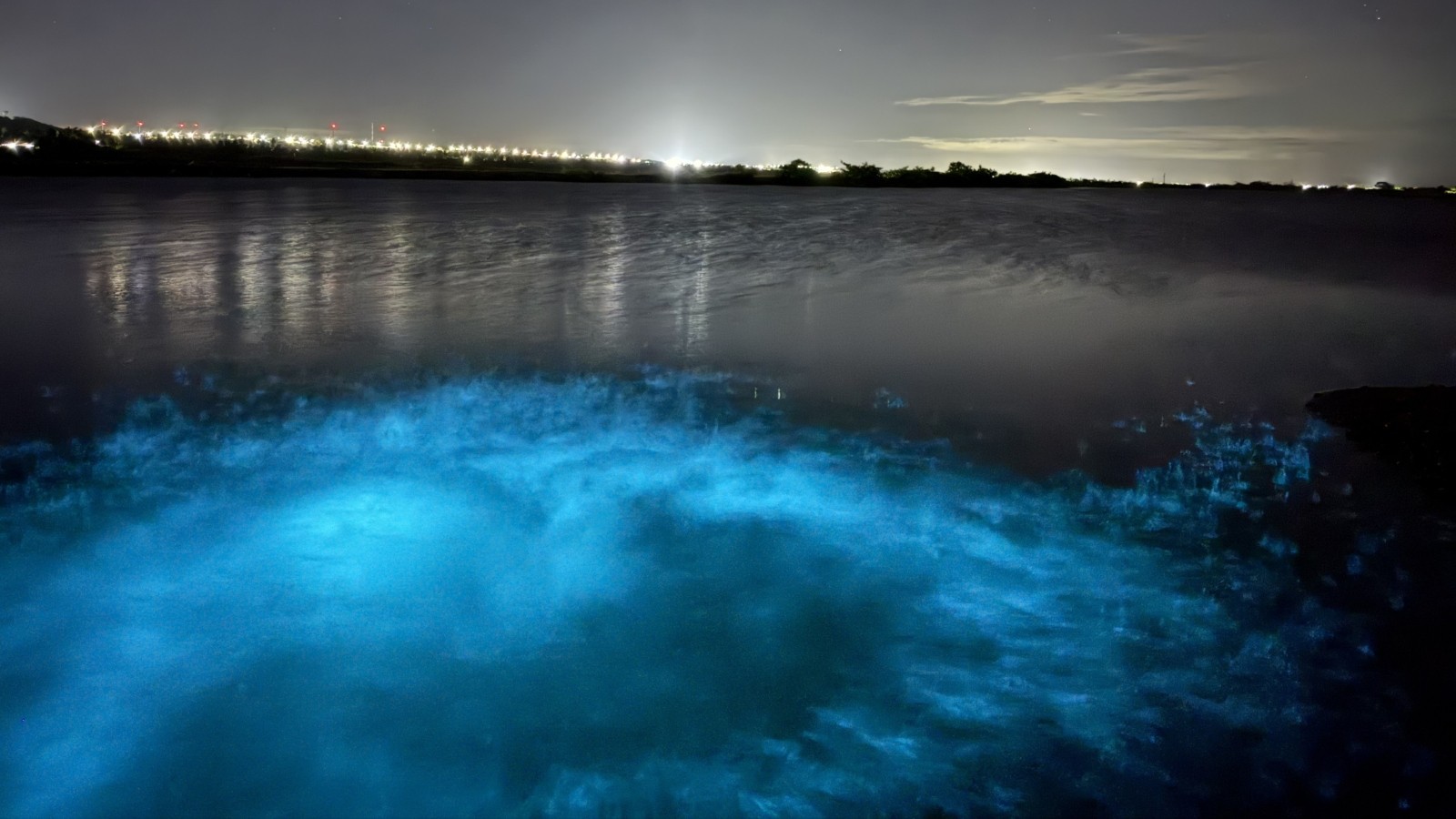
A 20-year-old student, Estrela Guadalupe da Silva, captured a rare natural spectacle on Sunday, April 28th, when the sea at Requenguela Beach in Icapuí, Ceará, Brazil, began to glow with a striking blue light. This phenomenon, known as bioluminescence, is caused by the presence of microorganisms in the water and gained significant attention after a video of it went viral on social media. Estrela, a resident of Icapuí, noticed the glow while walking to a friend's house and decided to record it, as the phenomenon had been observed in the area for about a month. She shared the video on her Instagram, which focuses on tourism, and was surprised by its widespread admiration. Local fishermen have long referred to this glowing sea as 'fogo no mar' (sea fire).
The viral spread of the bioluminescent sea phenomenon in Icapuí, Ceará, highlights the potent intersection of natural wonders and digital media. While visually captivating, the increased tourist traffic, as noted by photographer Thiago Tavares, presents a dual-edged sword for the small municipality of approximately 20,000 inhabitants. Local fishermen express concern over potential disruptions to their fishing grounds, underscoring a common tension between economic opportunity and the preservation of traditional livelihoods and local ecosystems. Future management strategies for such attractions should consider sustainable tourism models that balance visitor engagement with the protection of sensitive marine environments and the well-being of local communities, ensuring that the 'sea fire' remains a source of wonder rather than conflict.
AI-generated to prompt reflection — not editorial opinion, not advice, not a statement of fact. How this works.