Rare Cinta Senese Pigs Relocated to Pianosa Island to Escape Swine Fever
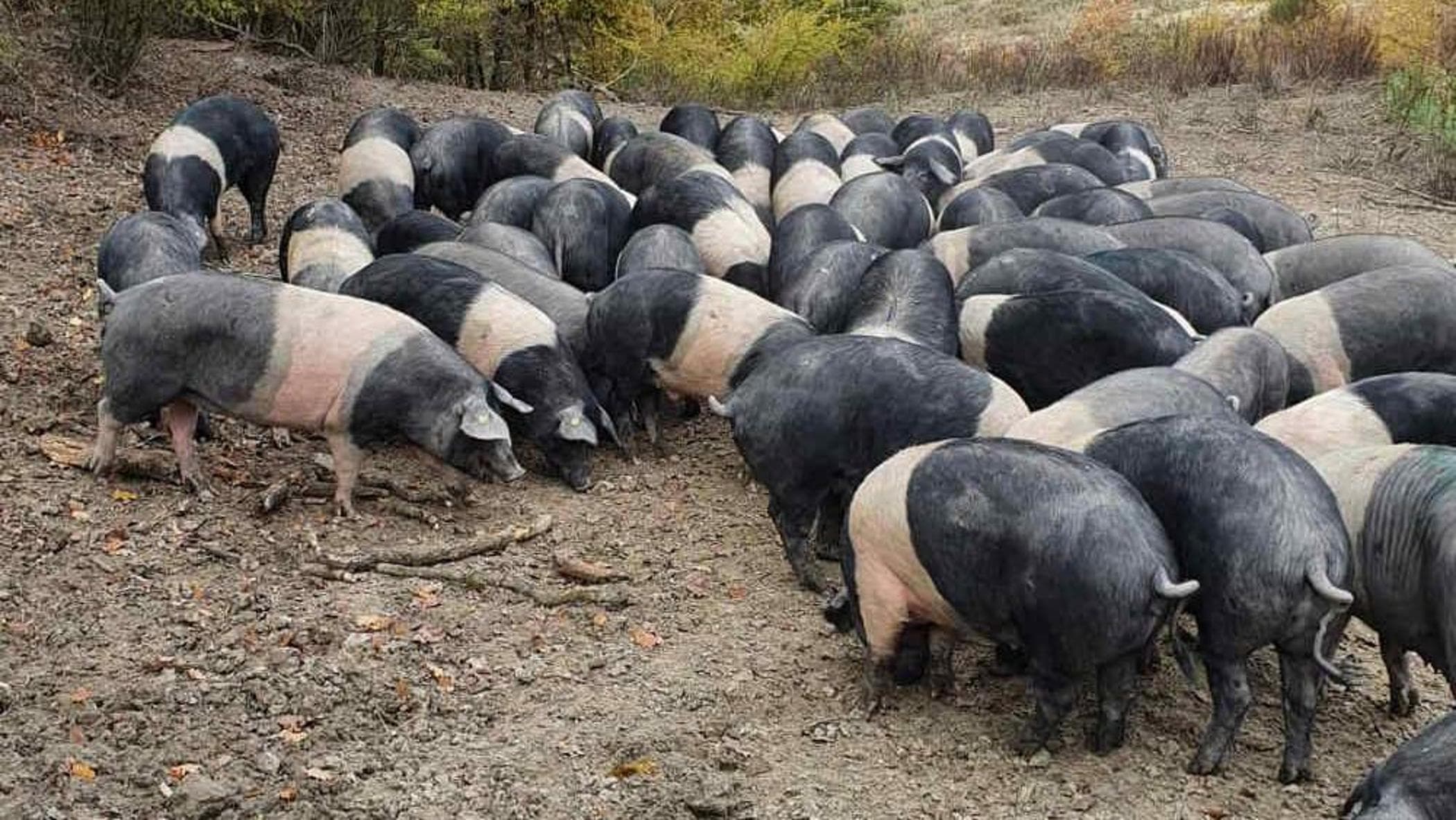
In response to the escalating swine fever outbreak in Tuscany, Italy, a unique initiative has been launched to relocate a population of Cinta Senese pigs to the island of Pianosa. This breed, known for its distinctive black-and-white markings, is facing a severe risk of extinction due to the widespread contagion. Hundreds of pigs have already been culled across the region as authorities attempt to contain the disease. The relocation plan, described as an "Ark of Noah" effort, aims to create a safe haven for the remaining animals and preserve the genetic line of the Cinta Senese breed. However, the proposal has met with opposition from some technicians and environmentalists. They express concerns that introducing these pigs to Pianosa could pose a risk to the island's existing biodiversity. The debate highlights the complex challenges of disease management and conservation efforts when rare breeds are involved.
The relocation of Cinta Senese pigs addresses the immediate crisis of swine fever by creating a sanctuary, a pragmatic response to prevent extinction. However, the environmentalists' concerns about biodiversity introduce a critical long-term consideration. This situation exemplifies the inherent tension between species preservation and ecosystem integrity, particularly when human intervention is required to mitigate disease. Future strategies may benefit from integrated approaches that balance biosecurity measures with ecological impact assessments, potentially exploring less disruptive containment methods or establishing protected zones that minimize interspecies interference. The event prompts reflection on how to safeguard heritage breeds in an era of increasing ecological fragility and globalized disease transmission.
AI-generated to prompt reflection — not editorial opinion, not advice, not a statement of fact. How this works.