Rare Daytime Sighting of Giant Armadillo Digging Burrow in Brazil
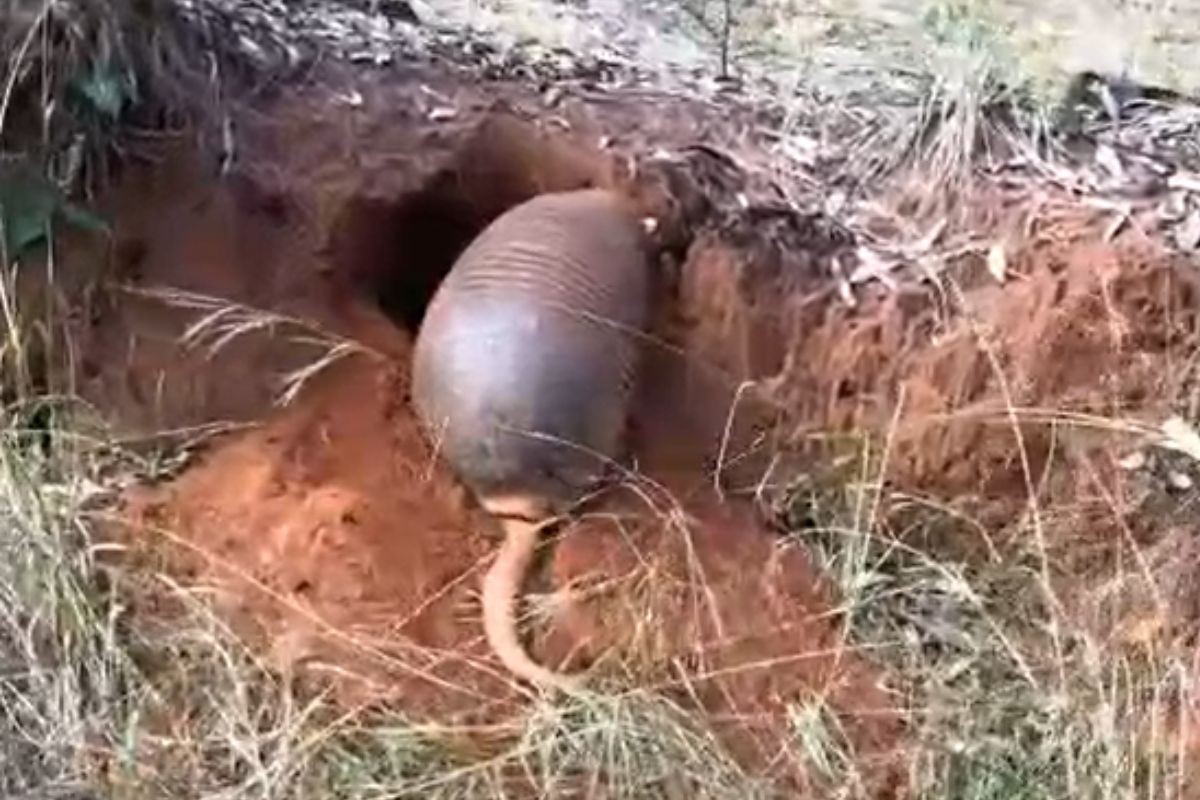
Rural workers in Camapuã, Mato Grosso do Sul, Brazil, were surprised to witness a rare daytime occurrence: a giant armadillo (tatu-canastra) digging one of its burrows. This behavior is unusual, as the species is primarily nocturnal. The worker who filmed the event described it as an incredible experience, noting that encounters with the world's largest armadillo are infrequent, especially during daylight hours. While workers in forested areas commonly see wildlife like tapirs and other armadillo species, spotting a giant armadillo is particularly rare.
The giant armadillo, which can weigh up to 50 kilograms and measure 1.60 meters in length, plays a crucial role in environmental balance and ecosystem conservation. It is currently classified as vulnerable to extinction, facing risks in parts of Mato Grosso do Sul and other South American countries. Known as an "ecosystem engineer," the armadillo's burrows provide essential shelter for numerous species in the Pantanal and Cerrado regions, protecting them from temperature fluctuations. These burrows, typically dug in forests, can be 1.5 meters deep and up to 4 meters long, reaching cooler, more humid soil layers that maintain a stable temperature around 24°C year-round, also offering warmth during colder days. Abandoned burrows become vital refuges for over 100 vertebrate and 300 invertebrate species, including jaguars, bush dogs, rodents, birds, snakes, and amphibians, offering protection from extreme temperatures. Larger animals like giant anteaters and peccaries also utilize the cool sand and shade outside the burrows for rest, and these sites also serve as feeding grounds for various insects and their predators.
The sighting highlights the ecological significance of the giant armadillo as an "ecosystem engineer." Its burrowing activities create microhabitats that support a wide array of biodiversity, demonstrating how a single species can profoundly influence an ecosystem's resilience. The armadillo's vulnerable conservation status underscores the broader challenge of protecting keystone species and their habitats in the face of human encroachment and environmental change. Future conservation strategies may need to consider the indirect benefits these animals provide, potentially framing their protection not just as an environmental imperative but as a critical component of ecosystem services that benefit other species, including those humans rely upon.
AI-generated to prompt reflection — not editorial opinion, not advice, not a statement of fact. How this works.