Rare Earth Deposit in Minas Gerais, Brazil, Sees Resource Estimate Increase
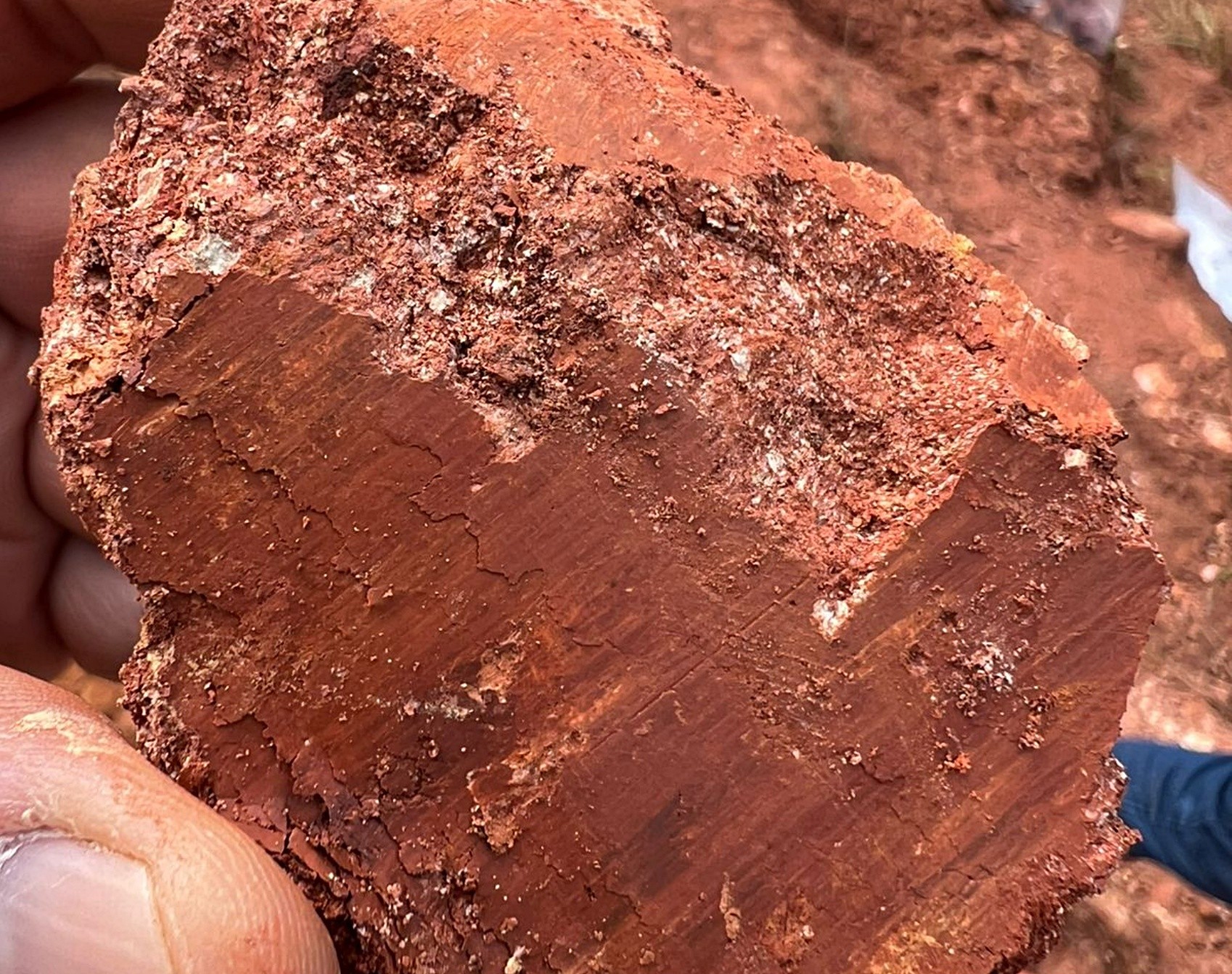
Mineradora Meteoric has announced an updated estimate for its Caldeira Project in Caldas, Minas Gerais, Brazil, increasing the projected quantity of ionic clay containing rare earth elements. The company's geological studies now estimate 1.6 billion tons, up from a previous 1.5 billion tons, representing a 6.67% increase. This upward revision is attributed to a more comprehensive understanding of the exploration area and enhanced geological knowledge of the deposit. Specifically, measured resources have significantly risen from 37 million tons to 128 million tons of ionic clay. Measured resources represent the most well-understood portion of a deposit, with extensive drilling and analysis data providing high confidence in quantity and quality estimates. The project is slated to begin operations in 2028, covering 425 hectares and aiming to process 5 million tons of ionic clay annually to produce 15,000 tons of rare earth carbonate. The extraction method will be open-pit mining of shallow ionic clay deposits, utilizing a backfill system that involves continuous extraction and environmental recovery. This approach, which avoids explosives, is intended to minimize environmental impact and operational costs, with previously excavated pits being refilled with extracted clay.
The expansion of the rare earth resource estimate at the Caldeira Project highlights Brazil's potential to become a significant global supplier of these critical minerals. The project's proposed shallow, open-pit mining method with a backfill system suggests a proactive approach to mitigating environmental impact, a key consideration for modern resource extraction. As the world transitions towards cleaner energy technologies, the demand for rare earths, essential for electric vehicles and wind turbines, is projected to grow substantially. This development could position Brazil advantageously within global supply chains, but careful management of community relations and environmental stewardship will be crucial for long-term success and public acceptance, especially given the project's proximity to residential areas and the historical context of radioactive mining in the region.
AI-generated to prompt reflection — not editorial opinion, not advice, not a statement of fact. How this works.