Rare Genetic Disorder Causes Bones to Resist Hardening, Often Undiagnosed
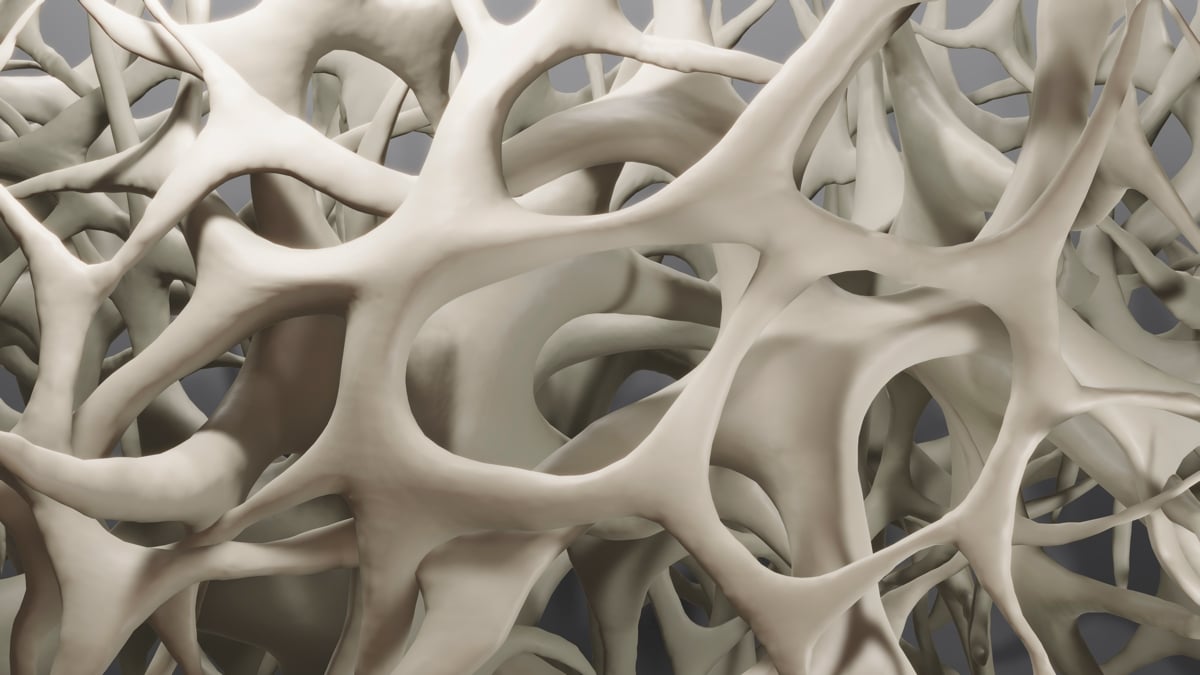
A rare genetic disorder is preventing bones from hardening properly, a condition that often goes unnoticed by those affected. This means that individuals with the disorder may not realize they have it, leading to potential complications or a lack of necessary medical attention. The condition affects the fundamental process of bone mineralization, leaving them fragile and susceptible to fractures. While the exact prevalence is unknown due to the lack of diagnosis in many cases, it represents a significant challenge in pediatric orthopedics and genetic medicine. Further research is needed to identify diagnostic markers and develop effective treatments. Early detection could significantly improve patient outcomes and quality of life by allowing for proactive management and protective measures. The scientific community is working to understand the underlying genetic mechanisms to pave the way for future therapeutic interventions.
The described genetic disorder highlights a critical gap in public health awareness and diagnostic accessibility for rare diseases. The challenge of identifying affected individuals underscores the need for more robust screening protocols, particularly in pediatric populations where bone development is crucial. Future advancements in genetic sequencing and data analytics could enable earlier and more widespread identification, potentially reducing long-term morbidity. This situation also prompts consideration of the economic incentives for developing treatments for rare conditions, which often face hurdles compared to more common ailments. Addressing these systemic issues is paramount to ensuring equitable healthcare outcomes.
AI-generated to prompt reflection — not editorial opinion, not advice, not a statement of fact. How this works.