Rare Genetic Disorder Xeroderma Pigmentosum Leads to Extreme Sun Sensitivity and Cancer
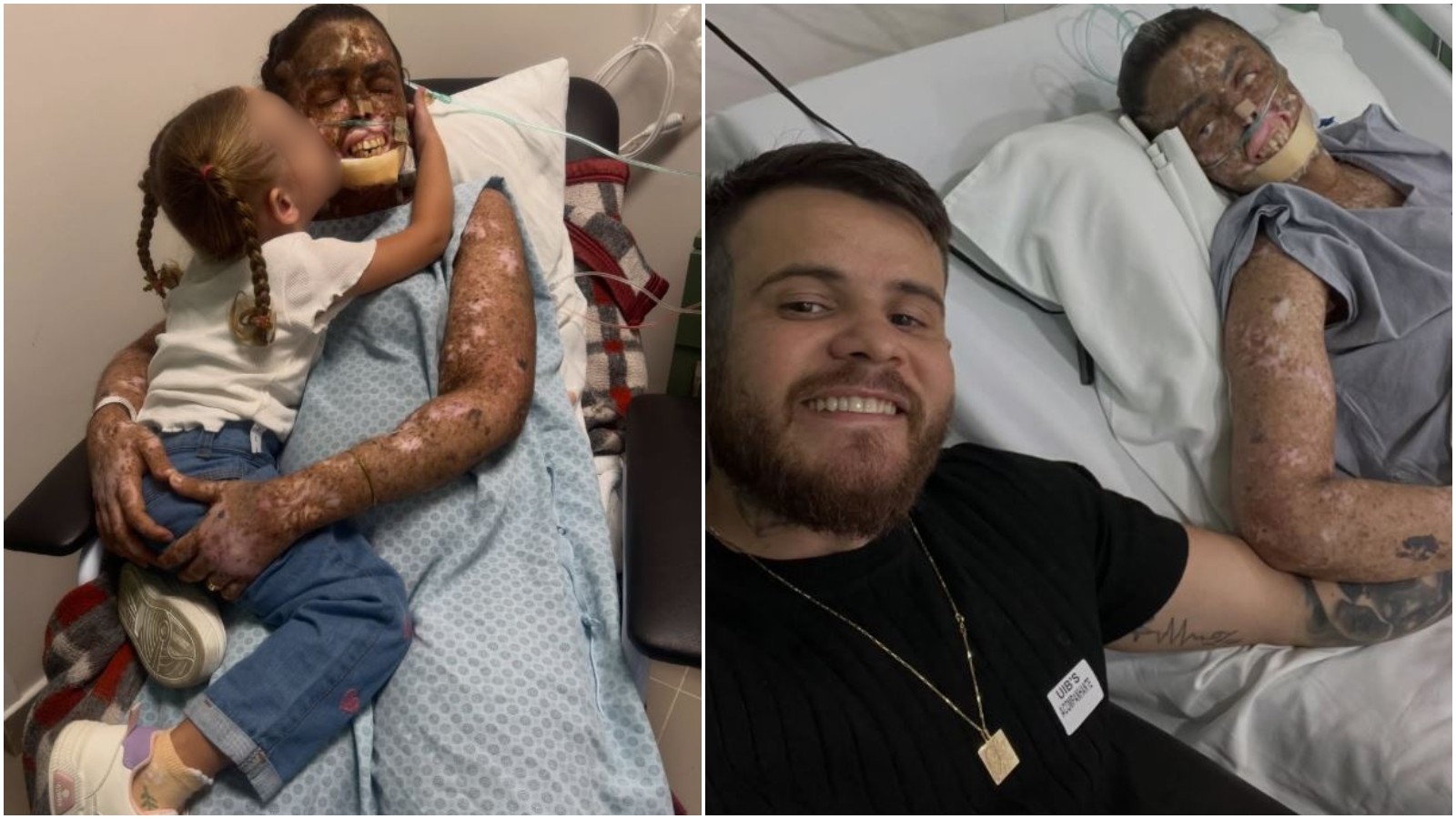
Káh Felipe, an influencer with over 800,000 followers, recently passed away from skin cancer that had spread throughout her body. She lived with xeroderma pigmentosum (XP), a rare genetic disorder characterized by extreme sensitivity to ultraviolet (UV) radiation from sunlight. This condition impairs the body's natural DNA repair mechanisms, causing sun-induced DNA damage to accumulate and leading to premature aging and a significantly increased risk of skin cancer. XP is an inherited, non-contagious disease passed down in an autosomal recessive manner, meaning an individual must inherit a faulty gene copy from both parents. The failure in DNA repair can stem from defects in any of approximately eight genes involved in the process. First described in 1874, the underlying DNA repair deficiency was identified in the 1960s. Early signs of XP typically appear before age two, including sunspots, severe sunburns after minimal exposure, and later, skin dryness, pigmentation changes, and precancerous lesions known as actinic keratoses. The risk of skin cancer for individuals with XP is estimated to be 10,000 times higher than in the general population, with melanoma risk being 2,000 times greater. Tumors commonly develop on sun-exposed areas like the face, head, and neck, but can also affect other parts of the body. Beyond skin issues, XP can also lead to progressive hearing loss and cognitive deficits in a significant portion of patients, as well as eye problems such as photophobia and ocular tumors. While there is no cure for the genetic defect, management focuses on early diagnosis, lifelong rigorous sun protection, and surgical removal of tumors. Although rare globally, affecting about one in a million people in the US and Europe, Brazil has a notable concentration of cases, particularly in the village of Araras in Goiás, where the condition is approximately 2,500 times more common than in the general population. Research suggests the mutation in Araras originated from European colonization about 200 years ago. Ongoing efforts in Brazil, involving patient associations, universities, and healthcare systems, aim to provide consistent care and support for individuals with XP.
Xeroderma Pigmentosum (XP) highlights the critical role of DNA repair mechanisms in preventing oncogenesis, particularly in response to environmental mutagens like UV radiation. The condition underscores the profound impact of genetic predispositions on health outcomes when interacting with environmental factors. The disproportionate prevalence in specific geographic locations, such as Araras, Brazil, points to the importance of understanding founder effects and genetic drift in rare disease epidemiology. For affected individuals, the necessity of extreme, lifelong sun avoidance presents significant lifestyle challenges and highlights systemic gaps in public health support and accessible preventative care, especially in resource-limited settings. Future research into gene therapy or enhanced DNA repair augmentation could offer transformative therapeutic avenues, moving beyond current management strategies that focus on symptom control and tumor surveillance. The study of XP also serves as a powerful model for understanding broader cancer mechanisms driven by accumulated DNA damage.
AI-generated to prompt reflection — not editorial opinion, not advice, not a statement of fact. How this works.