Rare Identical Quadruplets Born in Australia, a 1 in 15 Million Event
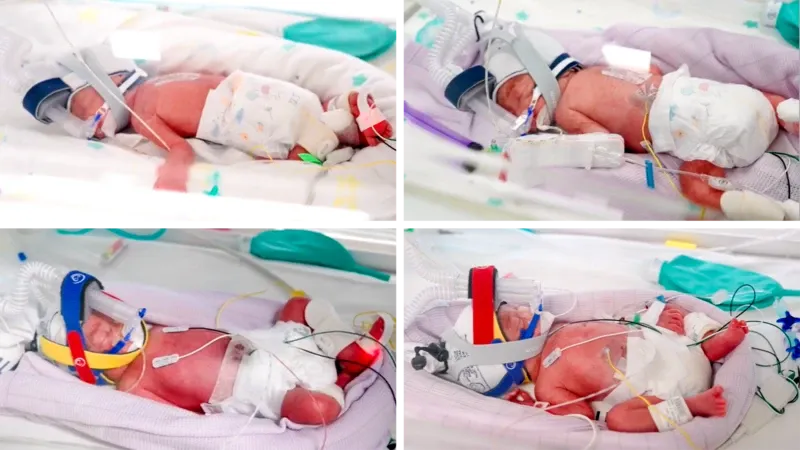
An Australian woman, Jenitar Na'amoana, 34, has given birth to identical quadruplets, a highly unusual occurrence estimated to happen in one in 15 million pregnancies. The four girls were born via cesarean section at 28 weeks and four days gestation on July 14th at the Royal Brisbane and Women's Hospital. These quadruplets are monozygotic, meaning a single fertilized egg split into four embryos. The hospital described the pregnancy as 'high risk' and admitted Na'amoana at 25 weeks for close monitoring, aiming to reach at least 28 weeks. The medical team, led by Dr. Alexa Bendall, expressed immense relief and joy that the babies were born healthy at this gestational age. Na'amoana and her husband, Jortham, who already have four children aged between 1 and 10, were reportedly 'immensely surprised' by the news of expecting quadruplets. One of the newborns was named Alexa in honor of Dr. Bendall. The babies are currently in the neonatal intensive care unit and are progressing well. The family has launched an online fundraiser, which has already garnered nearly AUD 37,000 (approximately R$ 132,300), to help with the significant challenges of raising four newborns simultaneously, including purchasing a ten-seater van. Dr. Bendall noted that while identical quadruplets are rare, sharing the same placenta is unprecedented.
The birth of identical quadruplets represents an extraordinary biological event, highlighting the unpredictable nature of human reproduction. While the medical team successfully navigated a high-risk pregnancy, the case underscores the increasing reliance on advanced medical interventions to manage complex pregnancies and ensure neonatal survival. The financial burden on the family, despite receiving significant donations, points to broader societal challenges in supporting large families, particularly those with multiple births, in the face of rising living costs. Future considerations may involve exploring genetic predispositions and the potential for more precise predictive tools for such rare multiple gestations, alongside robust public health and financial support systems for affected families.
AI-generated to prompt reflection — not editorial opinion, not advice, not a statement of fact. How this works.