Rare Pampas Cat Now Critically Endangered, Facing Last Stage Before Extinction
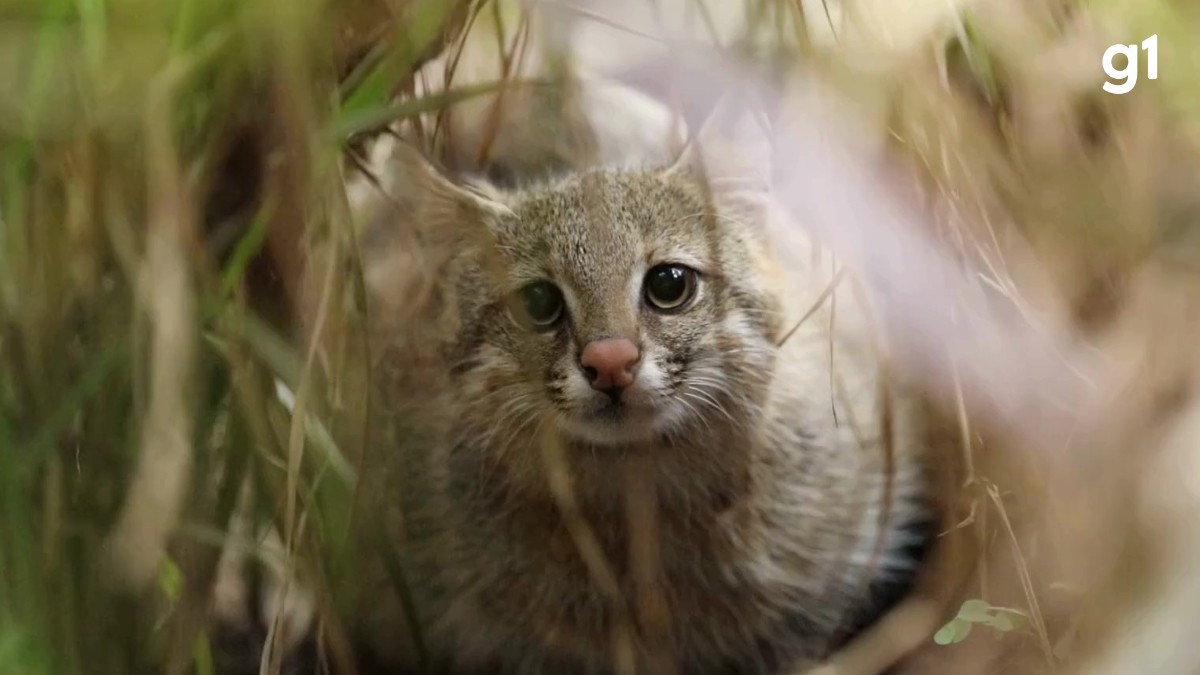
The Pampas cat (Leopardus munoai), one of Brazil's rarest felines, has been officially recognized as a distinct species and is now listed as "Critically Endangered," the final stage before extinction in the wild. This designation, formalized by Portaria MMA nº 1.704 on June 16, 2026, confirms researchers' grave concerns. Known as the "ghost of the pampas" for its elusiveness, this cat inhabits native grasslands in southern Rio Grande do Sul, Uruguay, and northeastern Argentina. Recent genetic and morphological analyses confirmed its status as a unique species, separate from other wild cats, indicating a smaller and more fragile population than previously thought. The Pampa biome, covering 63% of Rio Grande do Sul and extending into neighboring countries, is crucial for the cat's survival. Despite its cultural significance and rich biodiversity, less than 1% of high-quality habitat for the Pampas cat is protected within conservation units. Traditional cattle ranching areas, which support the cat's habitat, are rapidly disappearing. In just 15 years, the feline's native habitat has shrunk by over 25%, largely replaced by agricultural expansion, particularly soy cultivation, and forestry. Beyond habitat loss, the Pampas cat faces threats from domestic dogs, road accidents, pasture fires, and retaliatory hunting. Conservation efforts include marking accident hotspots, vaccinating domestic animals, and engaging with producers to reduce retaliatory hunting, with a primary focus on habitat preservation. Researchers emphasize the need for public awareness to recognize the value of this local feline.
The official classification of the Pampas cat as critically endangered highlights a systemic challenge in balancing economic development with biodiversity conservation in the Pampa region. The rapid conversion of native grasslands to agriculture and forestry, driven by market incentives for commodity production, directly conflicts with the habitat requirements of specialized species like Leopardus munoai. The minimal protected area coverage for critical habitats suggests a governance gap, where conservation policy may not adequately translate into effective land-use planning and enforcement. Future strategies must integrate ecological needs into agricultural and forestry policies, potentially through market-based conservation incentives or stricter land-use regulations, to prevent the loss of unique species and preserve the ecological integrity of the Pampa biome for the long term.
AI-generated to prompt reflection — not editorial opinion, not advice, not a statement of fact. How this works.