Rare photos capture newborn ghost monkey (Parauacu) in Brazil's Amazon
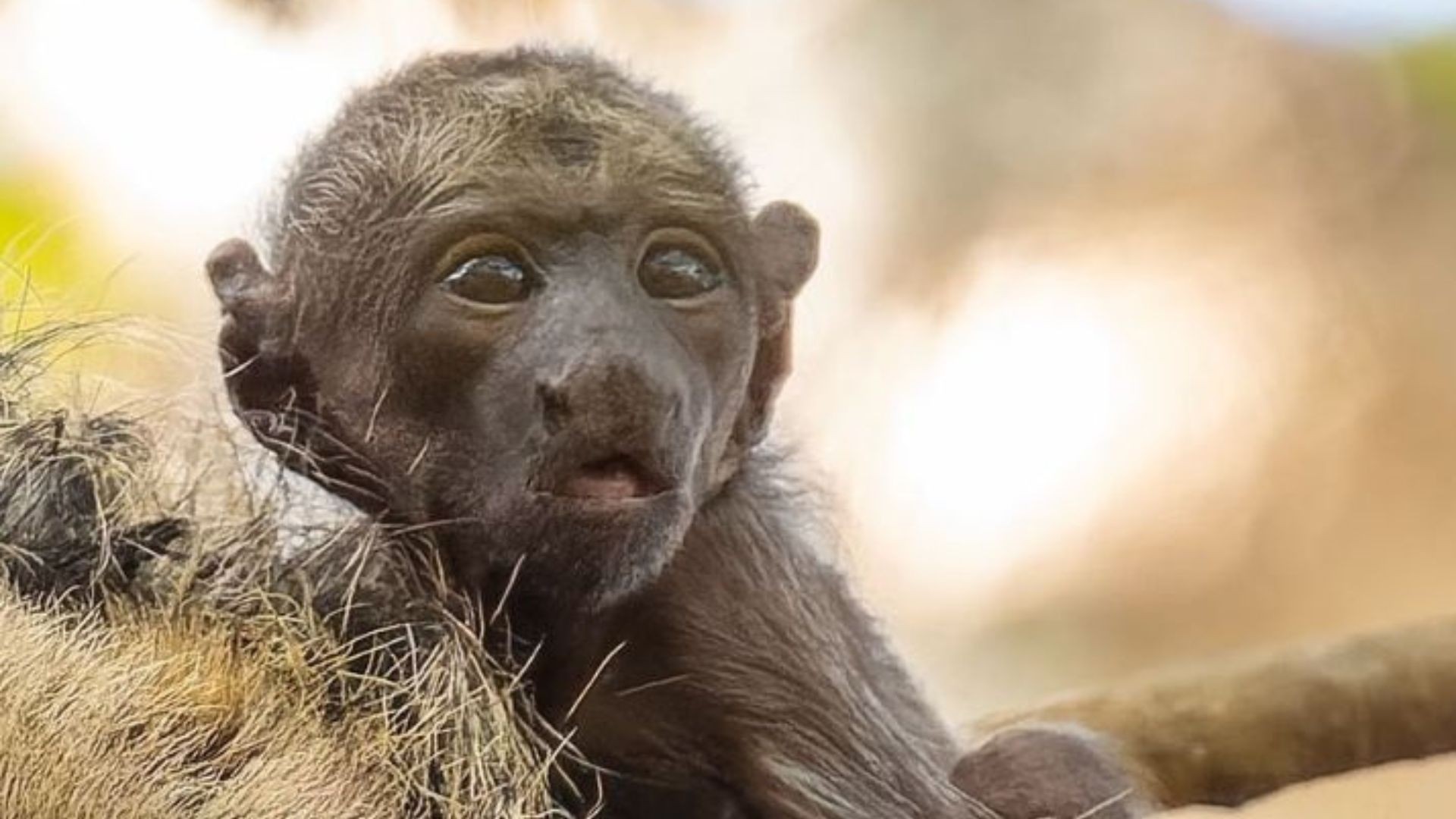
Nature photographer Cibele Manfredini has captured unprecedented images of a newborn Parauacu (Pithecia mittermeieri), a primate species often called the 'ghost of the forest' due to its elusive nature and unique camouflage. The photographs were taken during an expedition near the Jardim da Amazônia lodge in São José do Rio Claro, Mato Grosso, Brazil, where researchers are monitoring the species. Biologist Miriéli Costa Ramos, who also studies spider monkeys in the region, described the sighting as an emotional moment, noting the recent birth of the infant clinging to its mother's belly. These images are considered scientifically significant, filling gaps in the natural history of this little-known primate. Loianne Curvo Gottardi Belote, a professor and biologist studying the Parauacu, highlighted that while a local guide had previously documented a newborn in 2024, these photos will be widely published in scientific literature and media. Manfredini, who has been searching for and photographing the Parauacu since 2024, considers the newborn images the most remarkable of her career. The challenges of photographing the species include extensive forest treks and the primates' tendency to stay high in the trees, requiring significant physical and mental endurance for photographers. Analysis of the photos revealed the infant to be a male. The Parauacu (Pithecia mittermeieri) is one of 10 Parauacu species found in Brazil, exclusive to the country, and was scientifically described in 2014. Its name honors primatologist Russell Mittermeier. The primate's mixed gray, yellow, black, and orange fur provides excellent camouflage, and its cryptic behavior, including freezing when sensing disturbance, makes it nearly invisible. Its vocalizations are very low, and its bushy tail is not used for locomotion. Adult Parauacus weigh between 1.5 and 4 kilograms, with males being larger than females. The species inhabits areas between the Madeira and Tapajós rivers in Rondônia, Pará, and Mato Grosso, with the São José do Rio Claro population isolated by agricultural expansion. Current research aims to understand the impact of this habitat pressure on the species' behavior and survival. The Parauacu is classified as Vulnerable (VU) by the IUCN, facing threats from habitat loss and agribusiness, though more data is needed to assess population health. Ongoing research by Loianne Curvo Gottardi Belote, a doctoral student, has documented valuable, previously unknown scientific data on family cooperation in raising young and prolonged nursing periods. The Parauacu plays a crucial ecological role in seed predation, controlling plant populations, and seed dispersal.
The discovery and documentation of the newborn Parauacu highlight the critical need for continued biodiversity research and conservation efforts in rapidly developing regions like the Brazilian Amazon. The species' 'ghost-like' characteristics and Vulnerable status underscore the challenges of studying and protecting elusive wildlife facing significant habitat pressures from agricultural expansion. These photographic records serve not only as valuable scientific data, but also as powerful advocacy tools, raising public awareness about species at risk. Future conservation strategies will likely depend on integrating robust scientific understanding with effective land-use planning and community engagement to mitigate human-wildlife conflict and ensure the long-term survival of species like the Parauacu.
AI-generated to prompt reflection — not editorial opinion, not advice, not a statement of fact. How this works.