Rare Scalp Condition Transforms Man's Head into Brain-Like Appearance
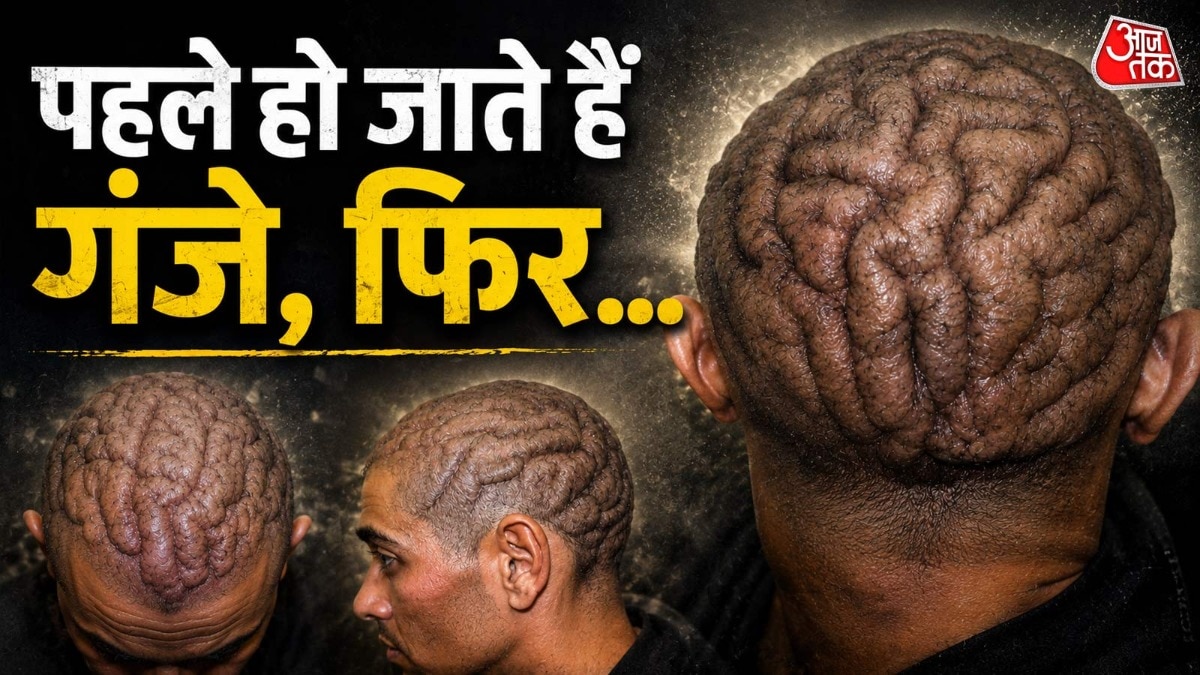
A 23-year-old man in China developed a rare condition known as Cutis Verticis Gyrata (CVG), causing his scalp to thicken and form deep folds, making his head resemble a human brain. This unusual appearance led to widespread astonishment. After undergoing a lengthy treatment process that involved two surgical procedures, the young man's head has returned to a normal state. The condition, CVG, is characterized by an abnormal thickening of the scalp's skin, leading to the formation of prominent, brain-like convolutions. The successful treatment and subsequent surgeries have resolved the condition, restoring the man's appearance.
The case of the 23-year-old Chinese man highlights the significant impact rare medical conditions can have on an individual's physical appearance and potentially their psychological well-being. The successful surgical intervention underscores advancements in medical treatments for dermatological and structural abnormalities. From a systemic perspective, such cases emphasize the importance of continued research into rare diseases and the development of specialized treatment protocols. The long-term implications for individuals with such conditions, even after successful treatment, may involve ongoing psychological support and reintegration into society, reflecting broader societal challenges in accommodating visible differences.
AI-generated to prompt reflection — not editorial opinion, not advice, not a statement of fact. How this works.