Rare Sighting: Young Seal Appears on Alagoas Beach, Prompting Monitoring
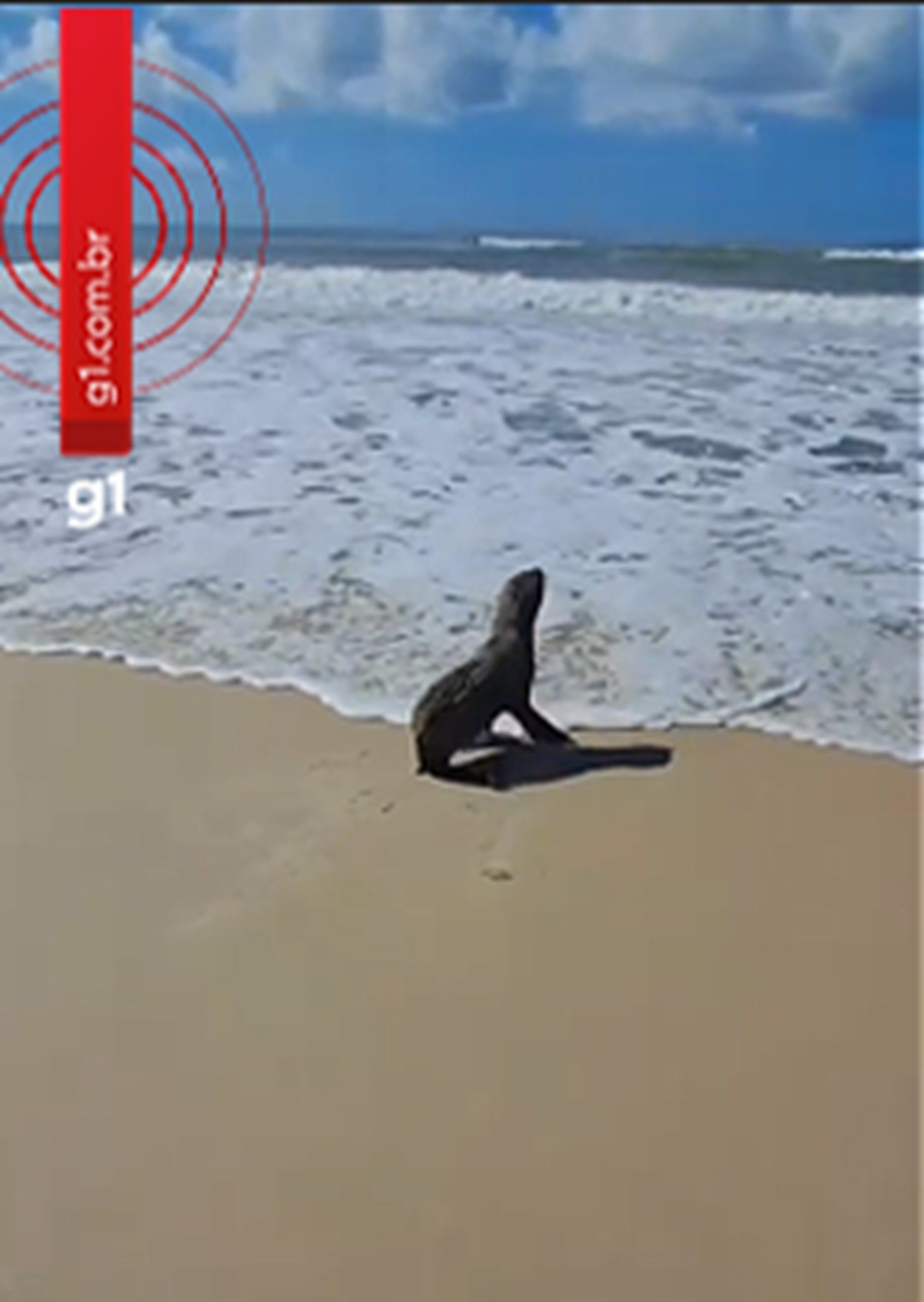
A young seal was spotted on the sand of Jequiá da Praia, in Alagoas's Litoral Sul, on Saturday morning, May 4th. Beachgoers initially observed the animal out of the water before it returned to the sea and disappeared. The Biota Institute was notified and dispatched teams to monitor the area. Biologist Bruno Stephanis, the institute's executive director, confirmed it was a young individual and that such appearances on the Alagoas coast are considered rare. Stephanis suggested the seal likely became disoriented and lost its way, and technicians were sent to Jequiá to track the situation. It remains uncertain whether the seal will stay in Alagoas waters or continue its journey. The institute advises the public to maintain distance from marine animals sighted on beaches and avoid any contact. This sighting follows a previous incident in March of this year, when a sea lion, nicknamed 'Leôncio,' was found dead in Jequiá da Praia, apparently due to a sharp object. The exact circumstances of that death are still under investigation, though a preliminary necropsy indicated a sharp object was involved, leading to the involvement of the Public Prosecutor's Office.
The appearance of marine mammals on populated coastlines, while rare, highlights the increasing overlap between human activity and wildlife habitats. Such events serve as natural indicators of ecosystem health and potential disruptions, such as changes in ocean currents or food availability that may disorient animals. The Biota Institute's response, involving monitoring and public advisories, reflects a proactive approach to managing these encounters, balancing conservation needs with public safety. The tragic death of a previous sea lion from a sharp object underscores the persistent threat of human-introduced debris and the critical need for improved waste management and public awareness campaigns to mitigate such risks to marine life. Future efforts should focus on understanding the environmental drivers behind these rare appearances and strengthening preventative measures against human-related harm.
AI-generated to prompt reflection — not editorial opinion, not advice, not a statement of fact. How this works.