Rare Specimen: How an Extinct Bird is Preserved in a Collection of Millions
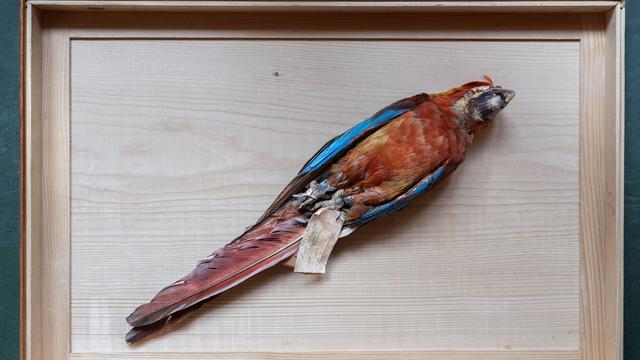
A remarkably rare specimen of an extinct bird is being preserved within a vast collection of millions of objects. This particular specimen represents a species that is no longer found in the wild, highlighting the critical role of natural history collections in safeguarding biodiversity. The collection, which houses an immense number of items, provides a unique resource for scientific research and conservation efforts. The preservation of such extinct species allows future generations to study their morphology, genetics, and evolutionary history. This initiative underscores the importance of museums and scientific institutions in documenting and protecting the planet's natural heritage. The detailed curation and conservation of these fragile biological samples are essential for understanding past ecosystems and informing future conservation strategies. The existence of this rare bird specimen serves as a poignant reminder of species loss and the ongoing need for robust preservation programs.
The preservation of extinct species' specimens within large institutional collections is a vital scientific endeavor. These collections serve as irreplaceable archives, enabling detailed study of biodiversity loss and evolutionary pathways. Such efforts are crucial for understanding the impact of environmental changes and human activity on ecosystems over time. By maintaining these biological records, institutions provide a foundation for future research into conservation genetics and the potential for de-extinction technologies, while also serving as a stark reminder of the irreversible nature of extinction.
AI-generated to prompt reflection — not editorial opinion, not advice, not a statement of fact. How this works.