Rare SpliceVision Console, a 1983 Brazilian Tech Relic, Featured in Museum Exhibit
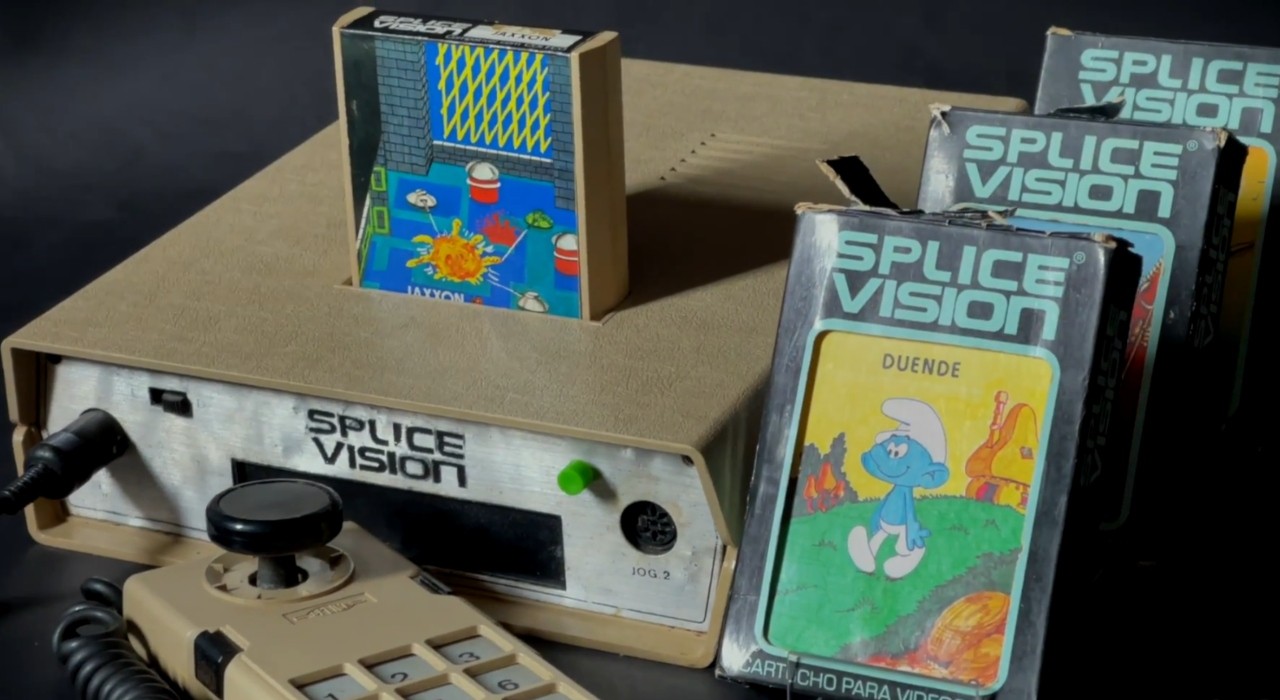
A rare Brazilian-made videogame console, the SpliceVision, manufactured in Votorantim, São Paulo, 40 years ago, is now a highlight at the Traveling Video Game Museum. Launched in 1983 during Brazil's market reserve policy under military rule, the SpliceVision was a clone of the ColecoVision, aiming to compete with Atari. Its rustic design, plastic casing, spiral cables, and unique joysticks made it distinct, though it could be mistaken for a telephone. The console struggled commercially due to high production and sales costs, coupled with outdated hardware, leading to its discontinuation shortly after release. Today, it is a prized relic for collectors worldwide.
Cleidson Lima, journalist and creator of the Traveling Video Game Museum, explained that the market reserve policy prohibited foreign imports, particularly in the IT sector, to foster national industry and employment. The SpliceVision emerged from this protectionist environment, with the Votorantim-based Grupo Splice, a telecommunications firm, drawing inspiration from the ColecoVision. Unlike the more accessible Atari, the SpliceVision featured exclusive, costly cartridges and games translated into Portuguese, such as 'Duende' (Smurf) and 'Monkey Dong' (Donkey Kong). The console's development involved using "recycled" telephony parts, as noted by the late Kazuaki Ishizu, former general manager of Splice. This reliance on unique, non-standardized parts meant even imported ColecoVision components were incompatible. Despite initial advertising touting advanced graphics and Portuguese-language games, its high price and lack of versatility led to its demise. A SpliceVision console, donated by Carlos Paim, was recently exhibited at Shopping Iguatemi Esplanada in June, drawing diverse age groups and highlighting the console's rarity and nostalgic appeal.
The SpliceVision's story exemplifies the unintended consequences of protectionist economic policies on technological innovation. While intended to foster domestic industry and self-sufficiency during Brazil's military regime, the market reserve policy created an environment where innovation was constrained by the need to reverse-engineer or clone foreign products using limited domestic resources. This led to the creation of a console with high production costs and technical limitations, ultimately hindering its market viability. The SpliceVision's journey from a commercial failure to a collector's item underscores the evolving value placed on technological artifacts, particularly those tied to specific historical and economic contexts. In the current era of rapid globalization and open technological exchange, such protectionist models are less likely to foster competitive domestic industries and may instead lead to isolated, less advanced technological ecosystems.
AI-generated to prompt reflection — not editorial opinion, not advice, not a statement of fact. How this works.