Rassie Erasmus Rings in 10 Changes for Springboks vs. Scotland
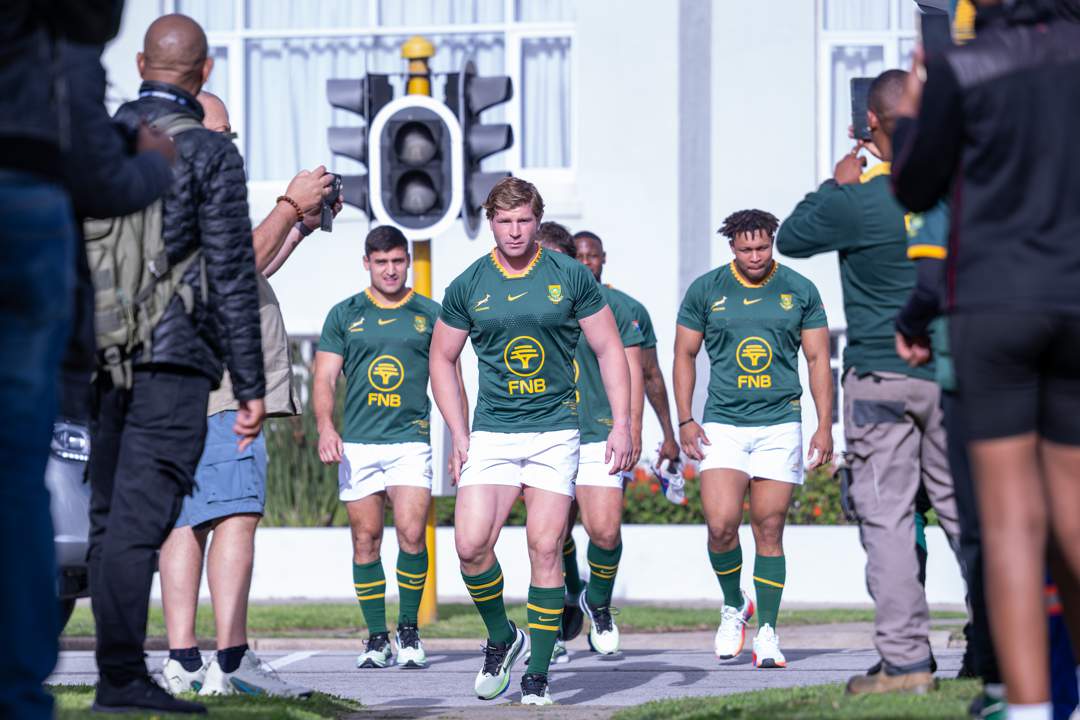
Springbok coach Rassie Erasmus has emphasized squad development by introducing 10 alterations to the starting lineup for the upcoming Nations Championship match against Scotland. The game is scheduled to take place on Saturday at Loftus Versfeld. This strategic move highlights Erasmus's focus on cultivating a deep and versatile roster for the national team. Notable inclusions in the revised squad are the starting debut of Cameron Roos and the positional shift of Damian Willemse to inside center (number 12). These adjustments are aimed at providing more players with valuable international experience and assessing their capabilities in different roles. The decision reflects a broader strategy to ensure the Springboks have a robust pool of talent ready for future challenges and competitions. By rotating players and experimenting with positions, Erasmus is building resilience and adaptability within the team. This approach is crucial for long-term success in international rugby. The Nations Championship encounter is a key fixture in the team's calendar.
Coach Rassie Erasmus's decision to implement 10 changes in the Springboks' lineup for the Scotland match underscores a strategic imperative to build squad depth. This approach, while potentially disruptive to immediate team cohesion, aligns with a long-term vision of developing a resilient and adaptable national team capable of sustained performance. The focus on player rotation and positional experimentation can be viewed through the lens of managing player workload, mitigating injury risks, and fostering competitive internal development. In the context of the evolving global rugby landscape, such strategies are essential for maintaining a competitive edge against well-established international opponents. The Nations Championship provides a valuable platform for this developmental agenda, allowing for assessment of talent under pressure without the ultimate stakes of a knockout tournament.
AI-generated to prompt reflection — not editorial opinion, not advice, not a statement of fact. How this works.