Rastriya Prajatantra Party Questions Government Over Kathmandu's Inequality
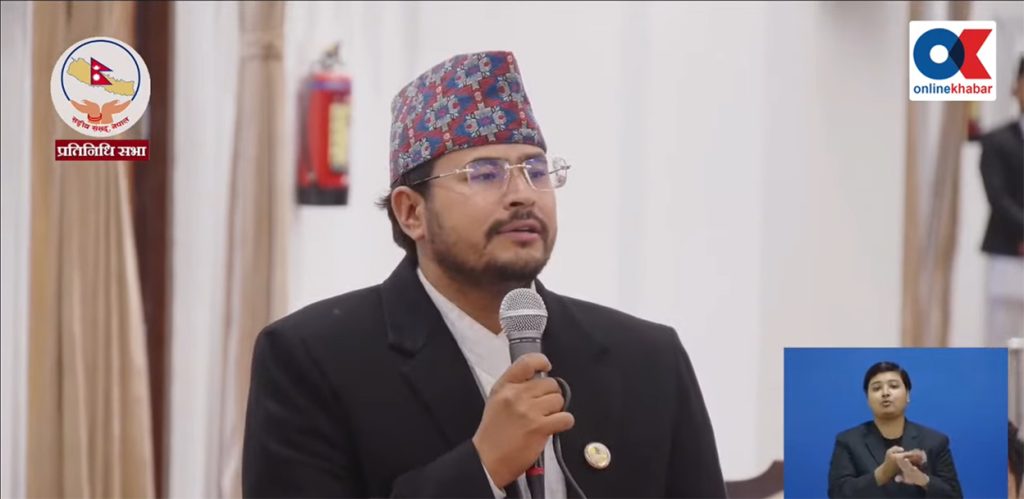
Rastriya Prajatantra Party (RPP) parliamentary leader Gyan Bahadur Shahi has attributed the death of Ganesh Nepali to government policy. Shahi stated that the state's policies are responsible for the circumstances leading to Nepali's demise. He posed a question to the government, asking if Kathmandu is exclusively a city for the wealthy. This implies a concern that the capital city's development and resource allocation disproportionately benefit affluent residents, potentially marginalizing or neglecting the needs of poorer citizens. The RPP's stance suggests a critique of urban planning and social welfare initiatives, highlighting a perceived gap between the government's actions and the well-being of all its citizens. The party seems to be advocating for more equitable distribution of resources and opportunities within Kathmandu.
The RPP's statement highlights a critical tension in urban development: the potential for economic growth to exacerbate social inequalities. When cities become centers of wealth accumulation, there is an inherent risk that infrastructure and services may be prioritized for affluent populations, inadvertently creating barriers for lower-income residents. This dynamic raises questions about governance effectiveness and the equitable distribution of public goods. Future urban planning must proactively address these disparities, ensuring that development benefits all segments of society and does not lead to the exclusion or neglect of vulnerable populations. The challenge lies in balancing economic competitiveness with social inclusion and ensuring that public policy serves the broader public interest.
AI-generated to prompt reflection — not editorial opinion, not advice, not a statement of fact. How this works.