Rastriya Swatantra Party MP Questions Prosecution of Bishnu Poudel Amidst Lack of Evidence
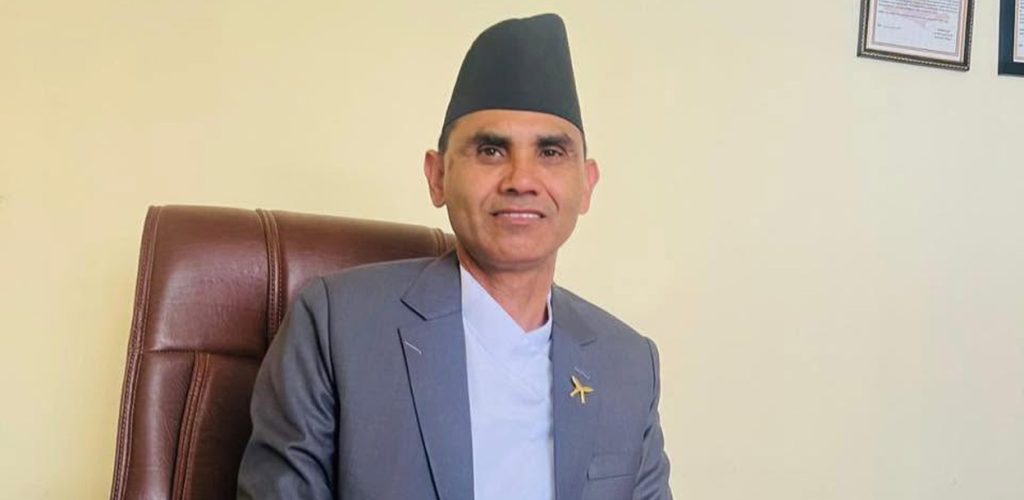
Govinda Panti, a Member of Parliament for the ruling Rastriya Swatantra Party (RSP) and a former Deputy Superintendent of Police (DSP), has raised concerns regarding the prosecution of Bishnu Poudel, Vice Chairman of the Communist Party of Nepal (Unified Marxist–Leninist) (CPN-UML). Panti questioned the government's decision to pursue legal action against Poudel, alleging that there was insufficient evidence to warrant such a prosecution. He specifically highlighted the discrepancy between the perceived lack of substantial proof and the initiation of legal proceedings. Panti's background as a former DSP lends weight to his observations on investigative and prosecutorial processes. His statement implies a potential procedural irregularity or an overreach by the authorities in this particular case. The RSP, a significant partner in the current ruling coalition, has thus voiced a critical perspective on the government's actions. This raises questions about the internal dynamics and decision-making within the coalition, particularly concerning the application of law and evidence standards.
This situation prompts an examination of prosecutorial discretion and the threshold for initiating legal action. The assertion of insufficient evidence, particularly from an individual with law enforcement experience, suggests a potential disconnect between investigative findings and prosecutorial decisions. It raises systemic questions about the checks and balances in place to ensure that prosecutions are based on robust evidence, safeguarding against potential political influence or procedural missteps. Evaluating the incentive structures for both investigators and prosecutors, and how they align with principles of justice and due process, is crucial. Understanding the legal framework governing evidence requirements for prosecution in this jurisdiction will shed light on whether established standards were met, offering a basis for future improvements in transparency and accountability within the legal system.
AI-generated to prompt reflection — not editorial opinion, not advice, not a statement of fact. How this works.