Rastriya Swatantra Party MPs Express Discontent, Sparking Debate on Government Relations
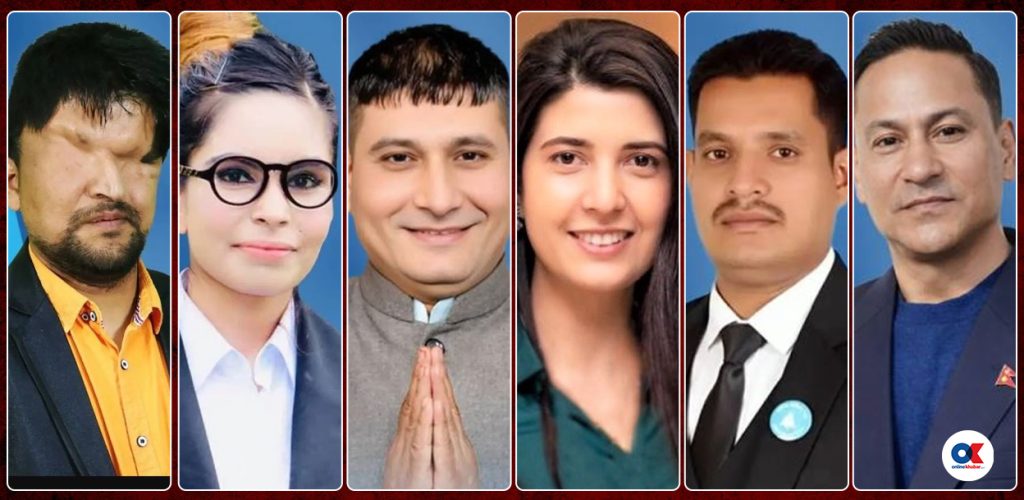
On the same day that the draft statute was made public, expressions of discontent from Rastriya Swatantra Party (RSP) lawmakers against the government emerged, alongside internal party dissatisfaction with the draft. This has initiated a new discussion regarding the power balance and internal relationships within the RSP. The conflicting sentiments among party members and their public statements signal potential friction between the RSP and the government it is a part of. Observers are questioning whether these expressions represent a genuine divergence of opinion or a strategic exercise of independent judgment by the MPs. The situation highlights the complexities of coalition politics and the challenges of maintaining party unity when dealing with policy and governance issues. The RSP's internal dynamics are now under scrutiny as the party navigates these internal and external pressures. The timing of these statements, coinciding with the release of the draft statute, suggests a possible link between the document and the MPs' grievances. The broader implications for the stability of the current government and the RSP's role within it are yet to be fully understood.
The emergence of internal dissent within the Rastriya Swatantra Party, coinciding with the release of a draft statute and directed towards the governing coalition, suggests a potential recalibration of the party's strategic alignment. This situation may reflect an evolving assessment of the party's leverage and policy objectives within the current political landscape. Such internal debates are common in multi-party systems, often driven by differing interpretations of coalition agreements and the perceived efficacy of government policies. The RSP's public expression of dissatisfaction could be a tactic to assert greater influence or to signal to its base a commitment to specific ideological principles, even at the risk of coalition instability. The coming weeks will reveal whether this is a temporary negotiation tactic or a precursor to a more significant shift in the party's political positioning, impacting the broader governance architecture.
AI-generated to prompt reflection — not editorial opinion, not advice, not a statement of fact. How this works.