Rastriya Swatantra Party Proposes Lowering Voting Age to 16
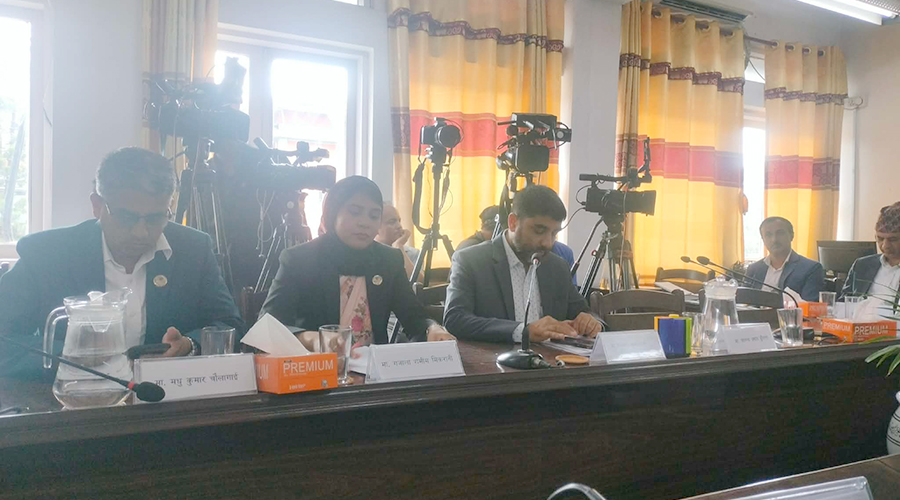
The Rastriya Swatantra Party (RSP) has proposed lowering the voting age from the current 18 years to 16 years. This proposal was put forward by the party, aiming to allow younger citizens to participate in the electoral process. Kabindra BurlaKoti, the chief whip of the RSP's parliamentary party, highlighted the party's long-standing advocacy for this change. He stated that the party has consistently argued for the right of 16-year-olds to vote. BurlaKoti expressed his intention to draw attention to this specific issue. The current legal framework in Nepal permits individuals aged 18 and above to cast their votes. The RSP's proposal seeks to amend this provision and expand suffrage to a younger demographic. The party believes that engaging 16-year-olds in voting will foster greater civic participation and political awareness from an earlier age. This initiative represents a significant shift in the discourse around electoral eligibility in Nepal.
The Rastriya Swatantra Party's proposal to lower the voting age to 16 introduces a debate on youth enfranchisement and its potential impact on political engagement. Lowering the voting age could be seen as an attempt to mobilize a younger demographic, potentially aligning with evolving societal norms regarding youth maturity and digital citizenship. However, it also raises questions about the preparedness of younger voters for complex political decisions and the potential for increased political volatility. Policymakers must consider the long-term implications for democratic institutions and the educational frameworks needed to support informed participation by 16- and 17-year-olds in the electoral process. This move could signal a broader trend of adapting democratic participation to the realities of a digitally connected and rapidly changing youth population.
AI-generated to prompt reflection — not editorial opinion, not advice, not a statement of fact. How this works.