Rasuwa Gadhi Hydropower Project Temporarily Suspended Due to Flood
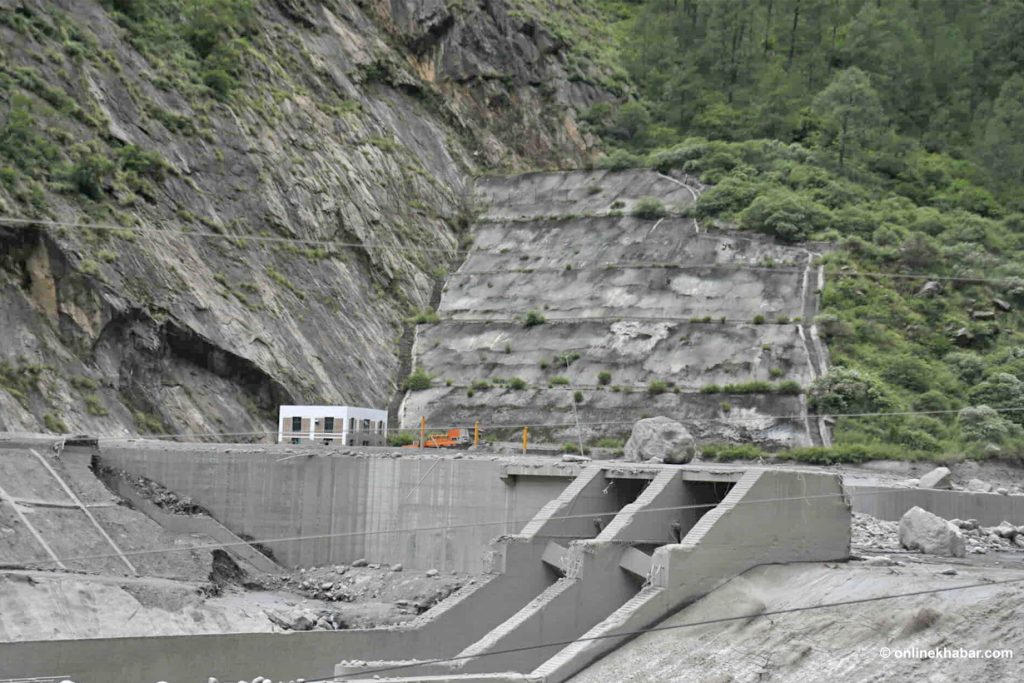
The 111-megawatt Rasuwa Gadhi Hydropower Project has temporarily halted electricity production due to a flood carrying silt from the Lende River. The decision to suspend operations was made on Sunday evening as a precautionary measure against potential risks, according to Santosh Adhikari, the project chief. Adhikari stated that power generation would resume on Monday if the river conditions normalize. The project, located in Rasuwa district, is a significant contributor to the region's power supply. The temporary shutdown highlights the vulnerability of hydropower infrastructure to natural disasters like flash floods, especially during monsoon seasons. Engineers are monitoring the situation closely to ensure safety and minimize downtime. The economic impact of this temporary closure is yet to be assessed, but it could affect power availability in the grid. The project's management is working on mitigation strategies to protect the facility from future such events. The situation underscores the challenges faced by Nepal in maintaining consistent energy production amidst environmental variability.
The temporary closure of the Rasuwa Gadhi Hydropower Project due to a flash flood underscores the inherent vulnerability of energy infrastructure to climate-related events. While immediate safety and operational continuity are paramount, this incident prompts a broader consideration of resilience strategies. Future investments in similar projects should integrate advanced early warning systems and robust physical defenses against extreme weather, factoring in the escalating frequency and intensity of such events. The economic trade-offs between initial construction costs and long-term operational security, including potential disruptions, require careful balancing. This event also highlights the importance of diversified energy portfolios to mitigate the impact of localized infrastructure failures on national energy security.
AI-generated to prompt reflection — not editorial opinion, not advice, not a statement of fact. How this works.