Ravi Lamichhane Urges Restraint to Prevent Violence in Terai-Madhesh
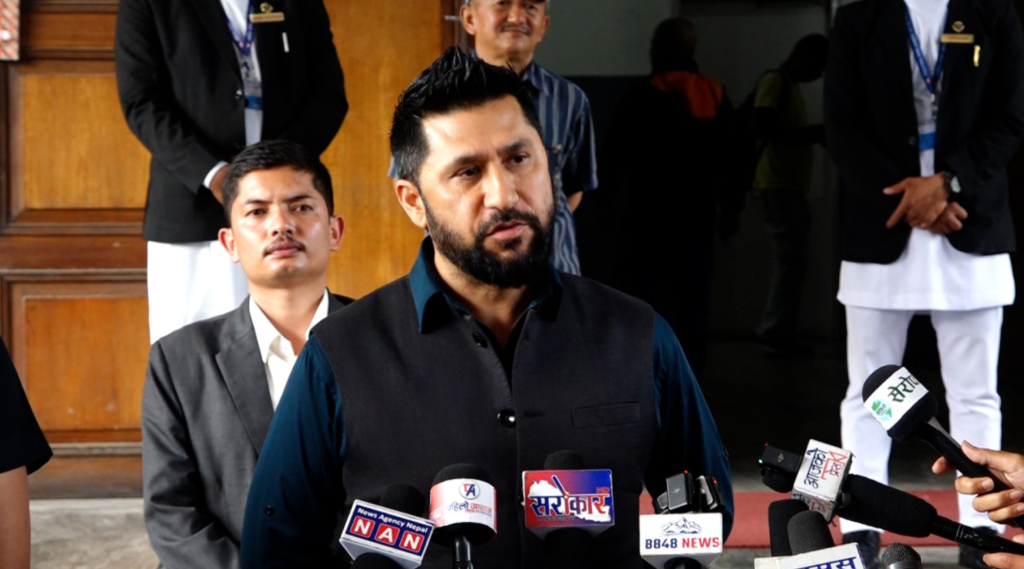
Ravi Lamichhane, chairman of the Rastriya Swatantra Party (RSP), has appealed to all sides to take responsibility for preventing the escalation of violence in the Terai-Madhesh region of Nepal. Speaking to journalists at Singha Durbar shortly before his statement, Lamichhane emphasized that the current priority should be on halting violence rather than engaging in evaluation or assessment. He suggested that there will be ample time for such evaluations later, implying that immediate action to de-escalate tensions is paramount. Lamichhane's call comes amidst concerns about potential unrest in the southern plains, a region historically prone to political and social volatility. The RSP leader stressed the importance of collective responsibility in maintaining peace and stability. He urged stakeholders to refrain from actions or statements that could incite further conflict. The chairman's remarks highlight the delicate security situation and the need for a unified approach to prevent any outbreak of violence.
This statement by Ravi Lamichhane addresses the critical need for de-escalation in a region susceptible to unrest. By prioritizing the prevention of violence over immediate political assessment, Lamichhane highlights a common tension between reactive crisis management and proactive governance. The call for collective responsibility suggests an awareness of the complex interplay of political, social, and economic factors that can fuel instability. In the context of Nepal's ongoing development and democratic consolidation, such appeals are crucial for maintaining social cohesion. Looking ahead, the effectiveness of such calls will depend on the underlying systemic issues that contribute to potential conflict and the willingness of various actors to engage constructively rather than exploit divisions for short-term gain.
AI-generated to prompt reflection — not editorial opinion, not advice, not a statement of fact. How this works.