Ravi Shankar Prasad Denies 'Dog-Cat Ticket' Remark, Accuses Opposition of Twisting Words
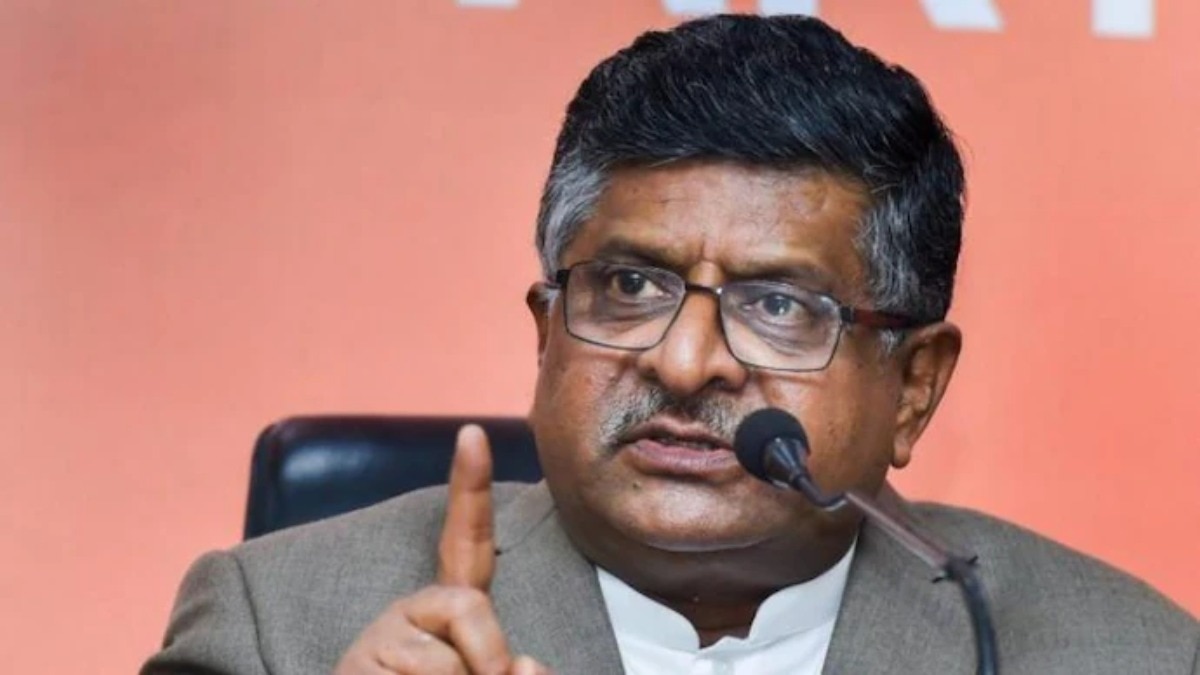
Bharatiya Janata Party (BJP) leader Ravi Shankar Prasad has clarified a controversial statement attributed to him. Reports suggested that Prasad had claimed the BJP could win elections even if it fielded 'dogs and cats' for tickets. Prasad vehemently denied this assertion, stating that the opposition is deliberately misrepresenting his words. He characterized the spread of this rumor as a product of the arrogance of those seeking to defame the party. Prasad emphasized that the BJP respects every party worker and does not engage in such dismissive practices. He further suggested that the opposition's actions stem from a desire to create false narratives rather than engaging in substantive political discourse.
This incident highlights the pervasive use of selective quoting and misrepresentation in political discourse, particularly in the lead-up to elections. The emphasis on winning elections by any means, even through controversial candidate selection, reflects a pragmatic, results-oriented approach that can sometimes overshadow ideological purity or meritocracy. Prasad's defense, framing the accusation as an act of opposition arrogance and a distortion of his words, is a common tactic to regain narrative control and rally his base. This dynamic underscores the ongoing tension between strategic electoral maneuvering and maintaining public trust through transparent and respectful communication. The long-term implications involve the potential erosion of credibility if such tactics become normalized, impacting voter engagement and the overall health of democratic institutions.
AI-generated to prompt reflection — not editorial opinion, not advice, not a statement of fact. How this works.
