Raw Freshwater Fish Dishes Linked to Liver Fluke Infection in Thai Students
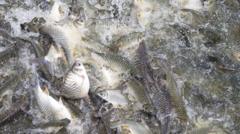
A recent screening involving over 4,000 new students at Mahasarakham University in Thailand revealed a significant number of infections with liver flukes. This finding has sparked debate regarding the efficacy of rapid antigen testing kits used for detection. More importantly, the high prevalence of infection highlights the ongoing public health challenge posed by this parasitic disease. The incident raises questions about whether such discoveries can effectively raise awareness and prompt changes in dietary habits, particularly concerning the consumption of raw or undercooked freshwater fish, a common practice in certain Thai cuisines like Isaan dishes. The university's initiative to screen students underscores a proactive approach to identifying and addressing health risks within the student population. The results serve as a critical indicator of the persistent presence of liver fluke infections in the region, often linked to the consumption of raw fish. Efforts are now focused on understanding the implications of these test results and exploring strategies to modify eating behaviors to mitigate further health risks. The long-term goal is to reduce the incidence of liver fluke infections through increased public awareness and safer food practices.
The high rate of liver fluke infections detected among university students points to a persistent public health issue rooted in traditional dietary practices involving raw freshwater fish. While rapid diagnostic tests can identify infections, their widespread use and interpretation warrant careful consideration to avoid over-reliance or misdiagnosis. The challenge lies in shifting deeply ingrained cultural eating habits, which are often tied to regional identity and culinary traditions. Public health campaigns must focus on educating communities about the specific risks associated with consuming uncooked fish and promoting safer alternatives. Future interventions should explore a multi-pronged approach combining education, improved sanitation, and potentially alternative protein sources to address the systemic factors contributing to this parasitic disease over the next decade.
AI-generated to prompt reflection — not editorial opinion, not advice, not a statement of fact. How this works.