Raw Milk Cheeses: Safety Concerns Reignite Debate, Labeling Law Stalled
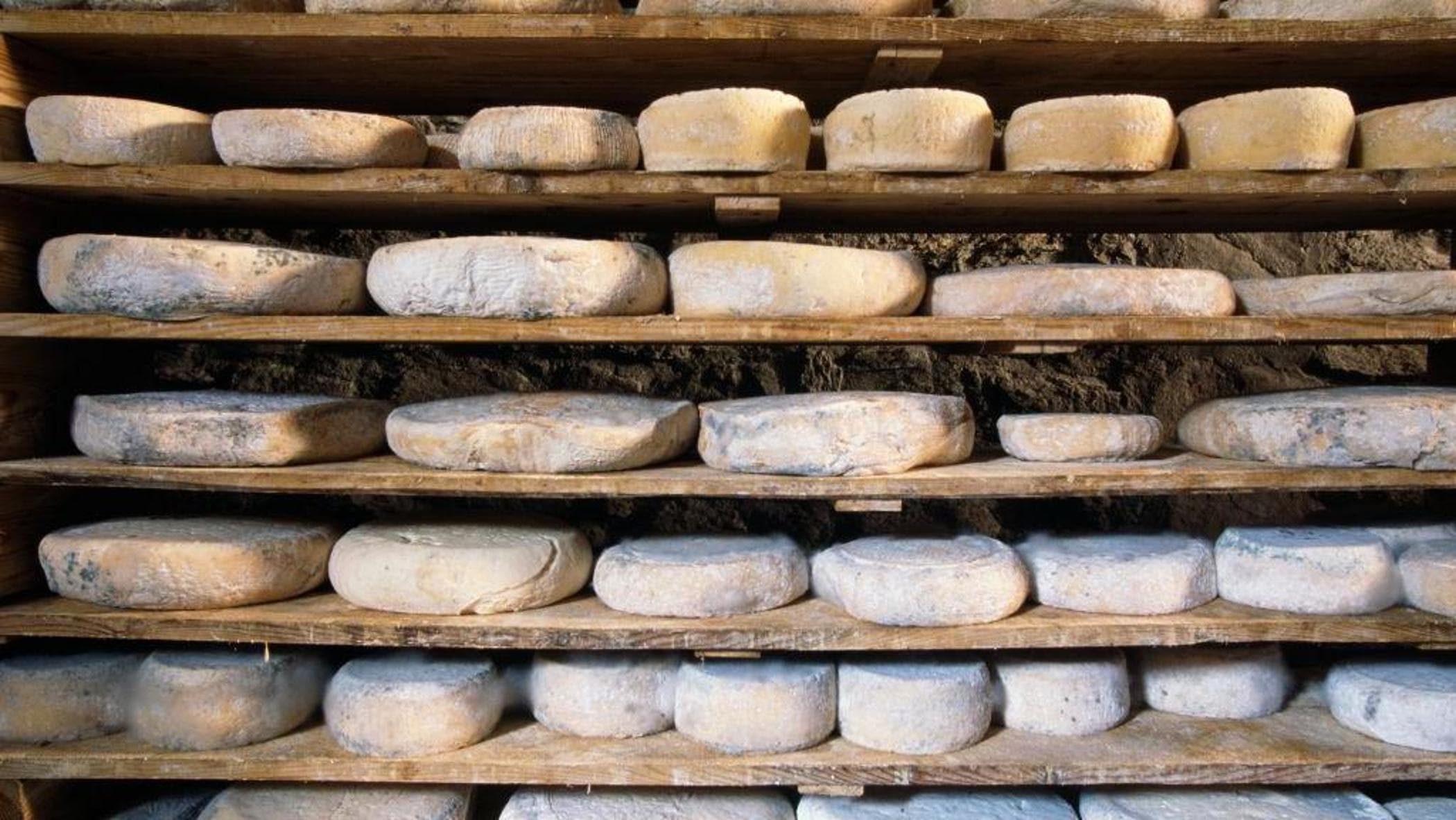
The death of Mattia Maestri has reignited the debate surrounding unpasteurized products, particularly raw milk cheeses. The discussion focuses on identifying which products carry risks, who is most vulnerable, and why safety profiles vary. Senator Basso has introduced a legislative proposal concerning labeling, but it has been stalled in Parliament for two years and faces potential failure.
Raw milk cheeses are made from milk that has not undergone pasteurization, a process that heats milk to kill harmful bacteria. While some consumers and producers believe raw milk cheeses offer superior flavor and health benefits, health authorities often warn of the potential risks associated with consuming unpasteurized dairy products. These risks can include contamination with dangerous bacteria such as Listeria, Salmonella, and E. coli, which can lead to severe illness, especially in vulnerable populations like the elderly, young children, pregnant women, and individuals with weakened immune systems.
The ongoing legislative impasse highlights the challenges in balancing consumer choice, traditional food production methods, and public health safety. The stalled labeling law suggests a lack of consensus or political will to address the issue comprehensively, leaving consumers potentially unaware of the specific risks associated with certain dairy products. The case of Mattia Maestri underscores the urgent need for clear regulations and consumer information regarding the safety of raw milk cheeses.
The tragic event surrounding Mattia Maestri has brought to the forefront the complex interplay between food safety regulations, consumer preferences for traditional products, and the potential public health implications of unpasteurized goods. The stalled legislative proposal on labeling indicates a potential disconnect between the urgency felt by some stakeholders and the legislative process, which often involves balancing competing interests. Examining the incentive structures for producers, regulators, and consumers can illuminate the path forward. Producers may be incentivized to maintain traditional methods for market differentiation, while public health bodies prioritize risk mitigation. Consumers, in turn, seek both quality and safety. The next decade's focus on data-driven public health and transparent supply chains may necessitate clearer, science-based labeling standards that empower consumers to make informed choices without unduly restricting access to heritage food products. This situation presents a systemic challenge in aligning market dynamics with evolving public health expectations.
AI-generated to prompt reflection — not editorial opinion, not advice, not a statement of fact. How this works.