Raw Milk Trend Linked to Over 80 Illnesses in the US
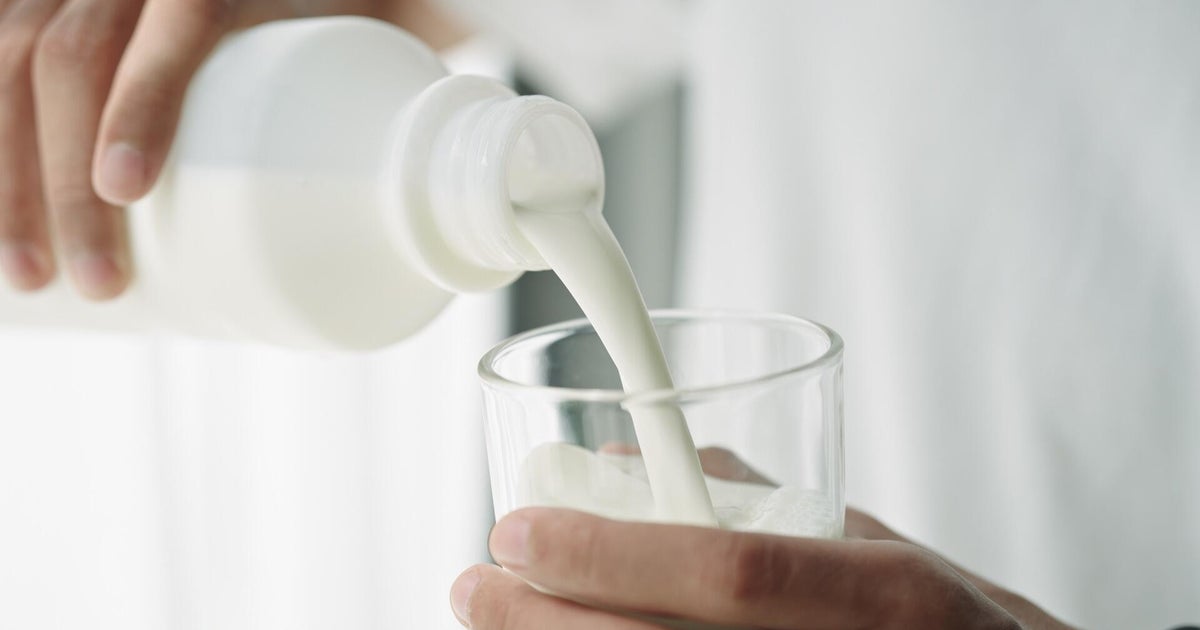
Online influencers are increasingly promoting the consumption of raw milk, a trend that has led to significant public health concerns. This year alone, the United States has reported more than 80 illnesses that are directly linked to drinking raw milk. CBS News medical correspondent Dr. Celine Gounder has shed light on the potential health risks associated with this growing health trend. Raw milk, which is unpasteurized, can harbor dangerous bacteria that pasteurization is designed to eliminate. These pathogens can cause severe illnesses, particularly in vulnerable populations such as children, the elderly, and individuals with weakened immune systems. Despite the documented risks, the promotion of raw milk continues, often emphasizing perceived nutritional benefits or natural qualities. Health authorities strongly advise against consuming raw milk due to the potential for serious outbreaks of foodborne diseases. The reported illnesses underscore the importance of public health messaging regarding food safety and the established benefits of milk pasteurization.
The promotion of raw milk by online influencers highlights a tension between perceived naturalness and established public health science. While proponents may cite anecdotal benefits, the documented increase in illnesses linked to raw milk consumption, exceeding 80 cases this year, demonstrates a clear public health risk. This situation presents a challenge for regulatory bodies and health communicators, who must balance individual consumer choice with the imperative to prevent widespread outbreaks of preventable diseases. The trend also reflects a broader societal interest in "unprocessed" or "natural" foods, suggesting a need for more effective communication strategies that address consumer concerns while reinforcing the scientific consensus on food safety protocols like pasteurization. Future public health initiatives may need to focus on understanding the underlying drivers of this trend and developing targeted outreach to mitigate risks.
AI-generated to prompt reflection — not editorial opinion, not advice, not a statement of fact. How this works.