Rawal Lake Park Loses Half Its Trees in 20 Years Amid Urban Sprawl
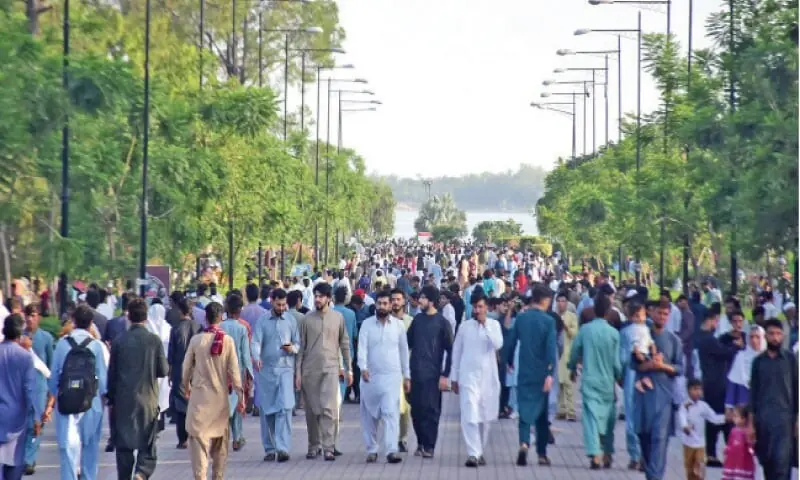
Satellite imagery from Pakistan's Space and Upper Atmosphere Research Commission (Suparco) reveals that Rawal Lake park has lost 50% of its tree cover over the past two decades. Comparing images from 2004 to 2024, the data highlights significant environmental degradation in Islamabad, largely attributed to unplanned urban expansion. The park site, specifically Lake View Point, shows a stark contrast between its dense foliage in 2004 and the impact of extensive human activities by 2024.
Beyond tree loss, the water quality of Rawal Dam has visibly deteriorated, shifting from a greenish hue in 2004 to a blackish shade two decades later. Environmentalists suggest this change may be due to algae growth exacerbated by substantial sewage inflow from upstream areas and surrounding settlements. A recent cleanup drive by the Pakistan Environmental Protection Agency (Pak-EPA) along the lake's shores uncovered hazardous waste, including syringes, hospital refuse, and large amounts of plastic, underscoring the severe pollution threatening the lake's ecosystem. Director Dr. Zaigham Abbas of Pak-EPA confirmed pollution is entering the lake and announced plans to plant 500,000 seed balls in the capital this monsoon season.
An official from the Ministry of Climate Change described Islamabad's situation as a violation of ecological justice and fundamental rights, noting the detrimental impact of polluted Rawal Lake water on local flora and fauna. The development of numerous recreational facilities at Lake View Park, such as barbecue areas, karting tracks, a golf club, and food streets, has coincided with this environmental decline. Global Forest Watch data indicates Islamabad lost 14 hectares of tree cover between 2001 and 2025, contributing to 6.0 kilotonnes of carbon emissions, with settlements and infrastructure identified as primary drivers of deforestation.
The observed 50% tree cover loss at Rawal Lake park over two decades, coupled with water pollution and increased recreational infrastructure, points to a systemic conflict between urban development objectives and ecological preservation in Islamabad. Satellite data and environmental agency findings illustrate a pattern where the expansion of human settlements and recreational facilities directly correlates with environmental degradation, raising questions about the long-term sustainability of current land-use planning. The shift in water color and the discovery of hazardous waste suggest that the ecological carrying capacity of the Rawal Lake ecosystem is being exceeded, potentially impacting biodiversity and public health. Future urban planning strategies will need to integrate robust environmental impact assessments and enforce stricter regulations on waste management and land encroachment to mitigate such trends and ensure the resilience of natural resources amidst ongoing development.
AI-generated to prompt reflection — not editorial opinion, not advice, not a statement of fact. How this works.