RBI Mandates Banks Cannot Resell Repossessed Property to Defaulters
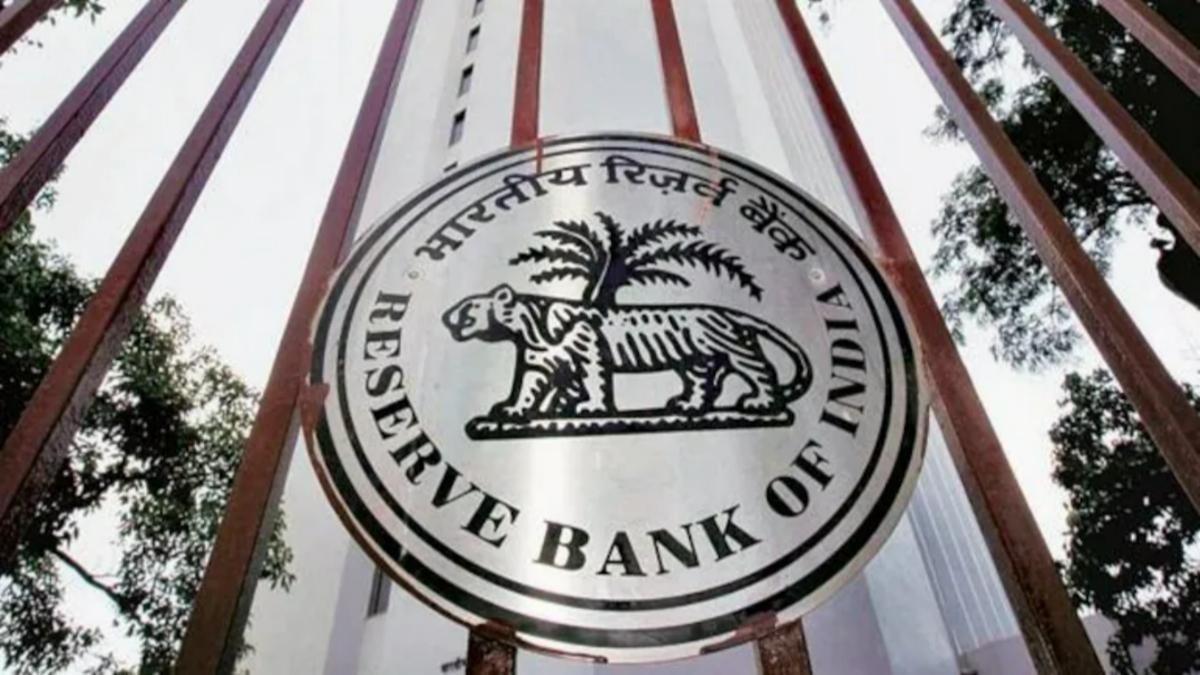
The Reserve Bank of India (RBI) has implemented a new directive concerning the handling of repossessed properties. Under the new guidelines, banks are prohibited from selling repossessed immovable assets back to the original borrower or defaulter. This rule aims to ensure a fair and transparent process when dealing with properties that have been taken over due to loan defaults. The RBI's stance emphasizes that once a property is repossessed by a financial institution, it cannot be directly returned to the individual who failed to meet their loan obligations. This measure is expected to impact the recovery strategies of banks and the options available to individuals facing default.
The RBI's new regulation on repossessed property sales introduces a structural safeguard against potential conflicts of interest in asset recovery. By preventing banks from reselling repossessed assets directly to former owners, the central bank aims to enhance market fairness and reduce the likelihood of preferential treatment or circumvention of debt resolution processes. This policy shift could encourage more standardized auction or open market sales, thereby potentially improving recovery values for financial institutions and promoting greater transparency in the real estate sector. Over the next decade, such regulatory interventions will be crucial in shaping the landscape of financial asset management and consumer protection in an increasingly complex economic environment.
AI-generated to prompt reflection — not editorial opinion, not advice, not a statement of fact. How this works.