Reactions to Khamenei's Funeral: From 'Ashura Atmosphere' to End of 'Iran's Great Criminal'
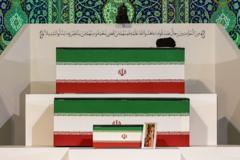
The funeral procession for Ali Khamenei, the former leader of Iran, and several of his family members who were killed in a U.S. and Israeli attack several months ago, is currently underway at the Grand Mosalla of Tehran. The event has drawn a wide range of reactions, reflecting deeply divided sentiments within and outside Iran. Some observers have described the atmosphere as reminiscent of Ashura, a significant Shi'a commemoration, highlighting a sense of solemnity and collective mourning. Conversely, others have characterized the occasion as marking the end of a figure they deem "Iran's great criminal," indicating strong opposition and historical condemnation. The differing perspectives underscore the complex and contentious legacy of Khamenei's leadership and the geopolitical tensions surrounding his death. The U.S. and Israeli involvement mentioned in the context of his family's death points to ongoing regional conflicts and their impact on Iranian leadership.
The reported events surrounding the funeral of Ali Khamenei, including the mention of his family's death in a prior U.S. and Israeli attack, highlight the intricate geopolitical dynamics and internal political divisions within Iran. The contrasting public reactions, from solemn remembrance to outright condemnation, suggest a society grappling with its past and future under varying leadership interpretations. The framing of the event by different groups reveals deeply entrenched ideological fault lines. Future analyses should consider how such events shape Iran's regional posture and its domestic policy trajectory, particularly in the context of evolving international relations and technological advancements that could influence societal discourse and governance models over the next decade.
AI-generated to prompt reflection — not editorial opinion, not advice, not a statement of fact. How this works.