READ Project Sets Priorities for Inclusive Education Access
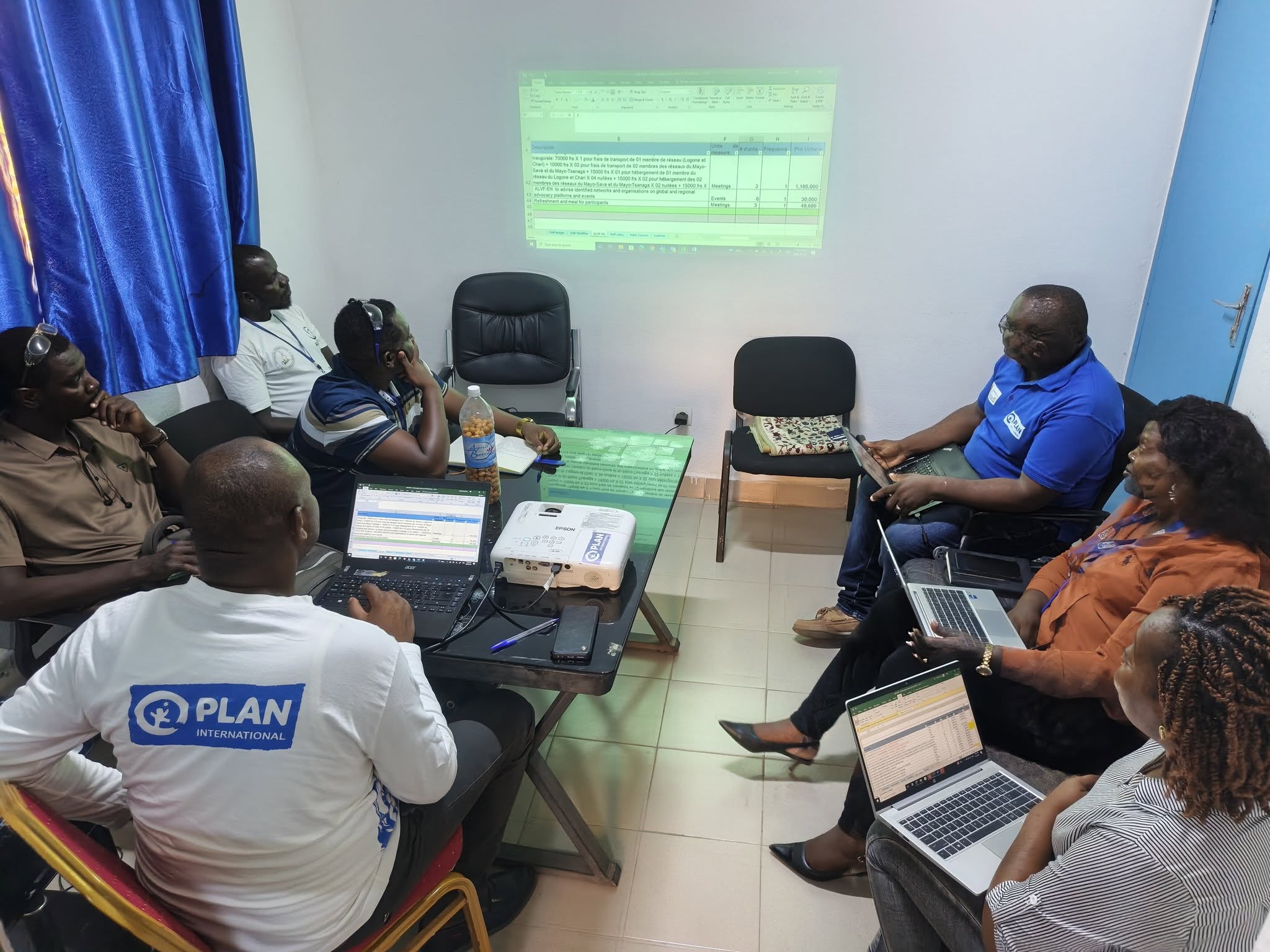
At the start of the new fiscal year, partners of the READ project have recommitted to providing safe and inclusive education for vulnerable children and youth, with a focus on refugees, internally displaced persons, and host communities. The READ (Refugee Education and Development) project teams initiated their fiscal year with a strategic meeting involving Plan International Cameroon and the Association de Lutte contre les Violences Faites aux Femmes de l'Extrême-Nord (ALVF-EN), an implementation partner. This meeting, supported by Global Affairs Canada, aimed to review ongoing actions and set future directions. Discussions focused on evaluating achievements, identifying key challenges, and establishing priorities to enhance access to quality education for refugee, displaced, and host community children, adolescents, and youth. Project coordinator Antoine Mvomo stated that this new phase aims to increase the impact of interventions, emphasizing the goal of ensuring inclusive, safe, and quality education for all. Beyond budget and operations, partners highlighted the importance of strengthening coordination, monitoring results, and efficiently using resources. This approach reflects a shared commitment to leveraging education for resilience and sustainable development in crisis-affected communities.
The READ project's strategic review underscores the critical role of education in fostering resilience within vulnerable populations, particularly refugees and displaced persons. The emphasis on inclusive and safe learning environments, supported by international funding and local partnerships, addresses a fundamental need for stability and opportunity. Looking ahead, the project's success will likely hinge on its ability to effectively integrate diverse needs within educational frameworks, navigate complex logistical challenges in crisis-affected regions, and demonstrate measurable improvements in learning outcomes. The focus on coordination and resource efficiency suggests an awareness of systemic challenges in aid delivery, aiming for sustainable impact rather than short-term relief. Future evaluations should consider how these educational interventions contribute to long-term social cohesion and economic empowerment for these communities in the face of ongoing instability.
AI-generated to prompt reflection — not editorial opinion, not advice, not a statement of fact. How this works.