Real Estate Auctions in Buenos Aires Offer Properties at Bargain Prices
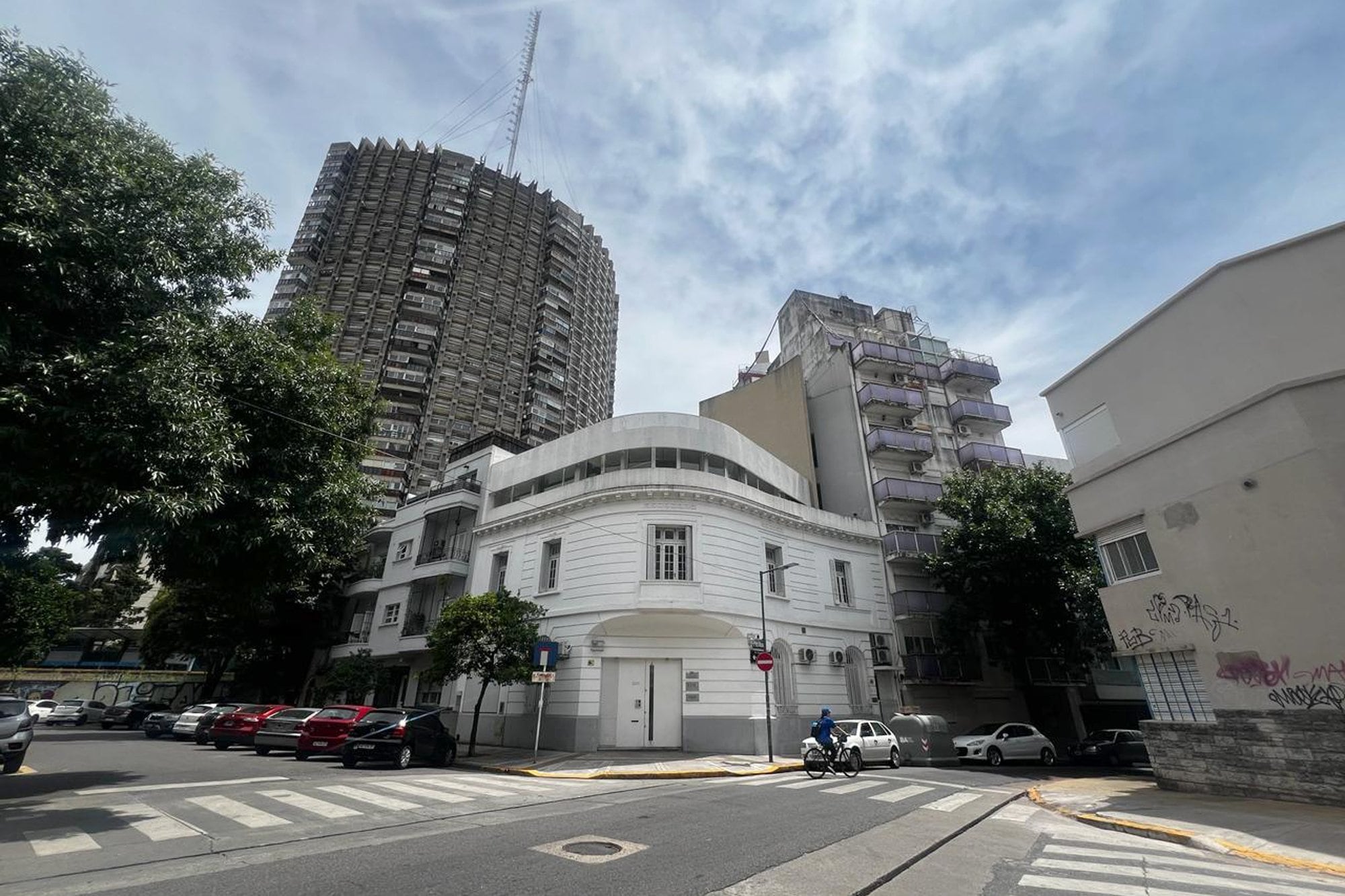
Buenos Aires is hosting numerous public auctions for properties across various neighborhoods, including Palermo and Recoleta. These auctions present opportunities to acquire real estate at significantly reduced prices, often referred to as 'ridiculous prices' or 'opportunity prices.' A key feature of these sales is the ability for buyers to make payments in Argentine pesos. These events occur on a monthly basis, providing regular chances for interested parties to find and purchase properties below market value. The auctions are designed to liquidate assets, making them attractive for investors and individuals seeking affordable housing or investment opportunities. The accessibility of payment in local currency is a notable advantage, especially given potential currency fluctuations. The variety of locations, such as the popular districts of Palermo and Recoleta, suggests a broad range of available properties. These sales represent a unique market segment for real estate acquisition in the city.
The recurring monthly auctions of distressed properties in Buenos Aires, payable in pesos, highlight a dynamic in the real estate market driven by asset liquidation and potentially by economic conditions that make such sales attractive. This mechanism offers a distinct pathway for capital deployment into property, distinct from traditional sales channels. The 'opportunity prices' suggest a market where sellers, or the entities conducting the auctions, are prioritizing liquidity over maximizing individual sale value, possibly to resolve debt or other financial obligations. For buyers, this presents a trade-off between potential cost savings and the inherent risks associated with auction properties, which may require immediate renovation or come with unaddressed encumbrances. Understanding the underlying economic pressures that generate these distressed sales is key to assessing the sustainability and broader implications of this market segment.
AI-generated to prompt reflection — not editorial opinion, not advice, not a statement of fact. How this works.