Real Estate Boom in Central Neighborhoods Strains Water Pressure for Lower Buildings
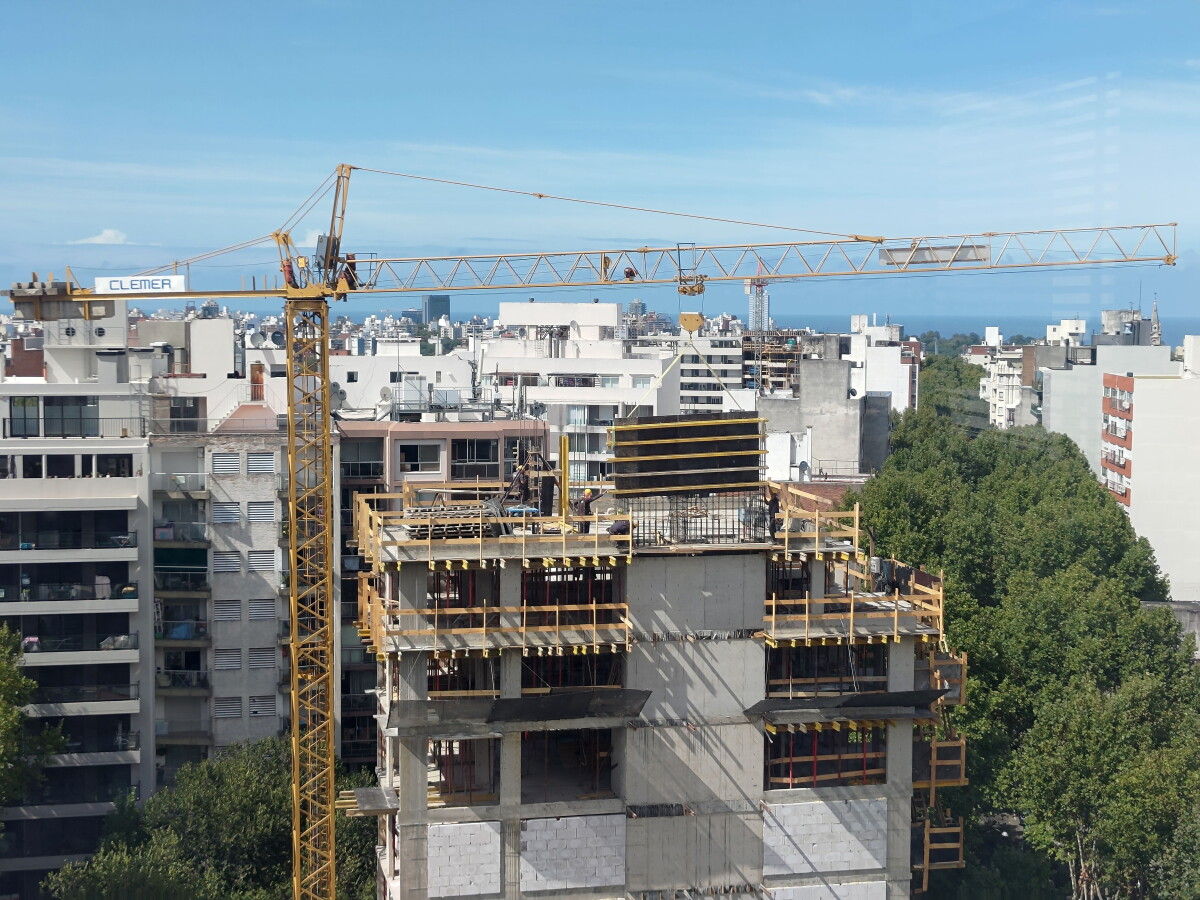
Residents in older, three-story buildings are increasingly installing ground-floor tanks and pressurizing pumps to ensure adequate water supply. This measure has become a common solution due to the significant impact of a real estate boom in central neighborhoods on water pressure. The surge in construction and development in these areas has led to a strain on existing water infrastructure. Consequently, buildings that are not equipped to handle these new pressures are experiencing difficulties. The installation of tanks and pumps is a direct response by residents to mitigate the effects of reduced water pressure, which is a growing concern for those living in lower-rise structures.
The real estate boom in central neighborhoods, while indicative of economic activity and urban development, is exposing vulnerabilities in existing public infrastructure. The necessity for residents in older buildings to invest in supplementary water systems highlights a potential disconnect between development pace and utility capacity. This situation raises questions about urban planning and the equitable distribution of resources. Future urban growth strategies may need to incorporate proactive infrastructure upgrades to prevent such issues from impacting quality of life and potentially creating disparities between newer and older developments.
AI-generated to prompt reflection — not editorial opinion, not advice, not a statement of fact. How this works.