Real Estate Giant Hulic to Acquire Todai Prep School Tetsurinkai
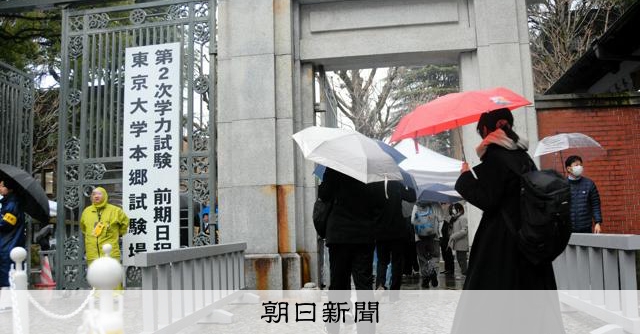
Hulic Co., a major Japanese real estate company, has announced its intention to acquire Tetsurinkai, a prominent cram school specializing in preparing students for the University of Tokyo entrance exams. The acquisition marks a significant move for Hulic into the education sector, diversifying its business portfolio beyond its traditional real estate operations. Tetsurinkai is renowned for its rigorous curriculum and high success rate in helping students gain admission to the prestigious University of Tokyo. The specific financial terms of the deal have not yet been disclosed, but the transaction is expected to be finalized in the near future. This strategic acquisition is anticipated to leverage Hulic's financial strength and management expertise to further develop and expand Tetsurinkai's educational offerings. The move also signals a growing trend of non-education companies investing in the lucrative private tutoring market in Japan. Further details regarding the integration and future plans for Tetsurinkai under Hulic's ownership are expected to be released following the completion of the acquisition.
This acquisition represents a strategic diversification for Hulic, moving from real estate into the education sector, specifically targeting the high-demand market for elite university preparation. The transaction highlights the financial viability and perceived stability of the private tutoring industry, particularly for top-tier institutions like the University of Tokyo. From a market dynamics perspective, Hulic's investment could lead to increased capital for Tetsurinkai, potentially enhancing its infrastructure, curriculum development, and reach. However, it also raises questions about maintaining the unique pedagogical approach and academic rigor that defines Tetsurinkai, especially as it integrates with a corporate entity focused on financial returns. The long-term success will depend on balancing educational quality with business objectives, navigating potential shifts in student demand driven by evolving higher education landscapes and technological advancements in learning.
AI-generated to prompt reflection — not editorial opinion, not advice, not a statement of fact. How this works.