Real Estate Scam on Social Media Under Investigation in Brazil's Região dos Lagos
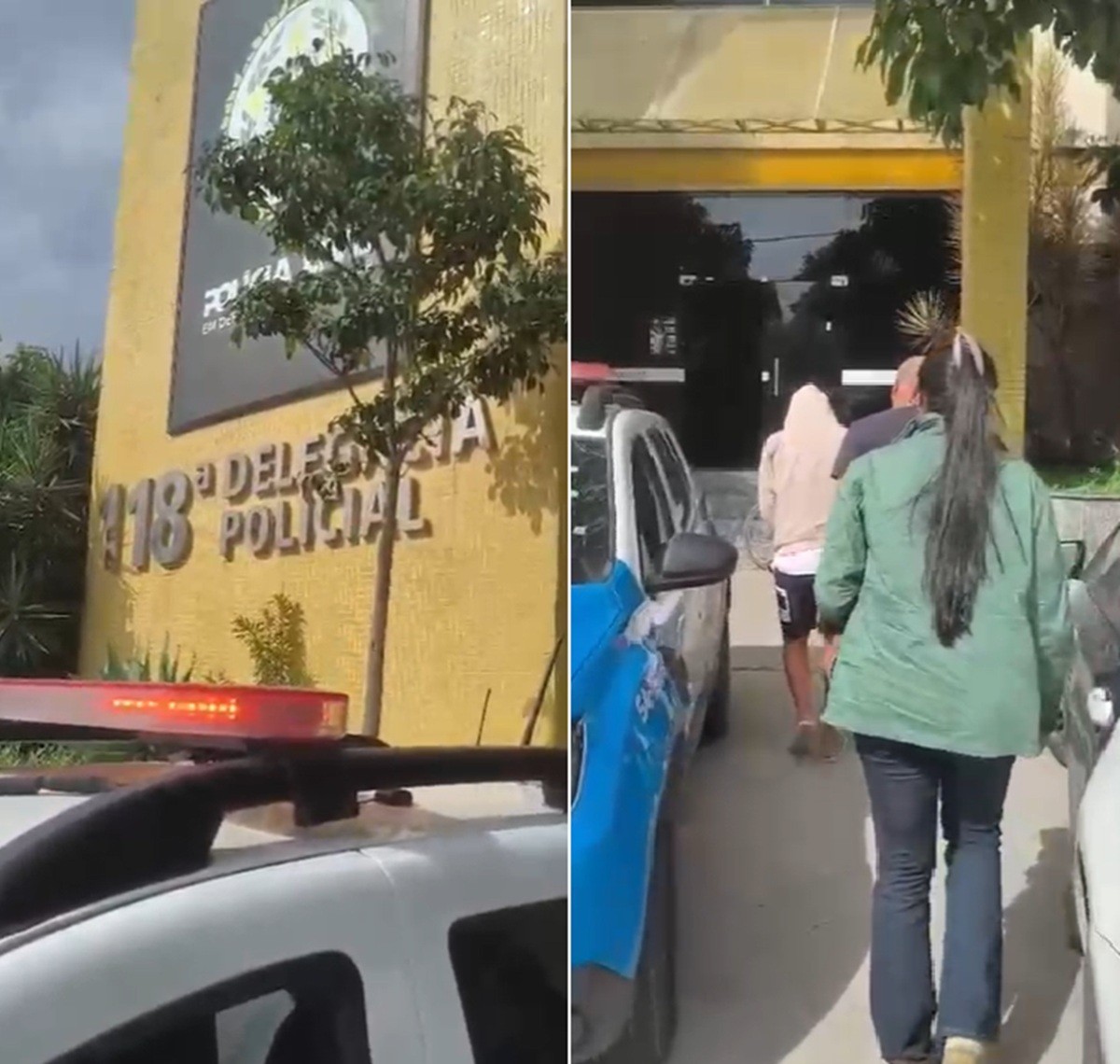
Civil Police in Brazil's Região dos Lagos are investigating a fraudulent real estate scheme that operated through social media, targeting victims in Araruama and surrounding areas. The suspects advertised properties, finalized contracts, and collected payments from unsuspecting buyers. However, victims later discovered that the properties were owned by third parties who had no involvement in the transactions.
Authorities arrested one man on Wednesday, June 8th, in Bom Jesus do Itabapoana, in the Northern Fluminense region, based on an arrest warrant issued by the Criminal Court of Araruama. This individual is believed to have been responsible for posting the fraudulent property listings online and receiving payments from victims. He is considered to be working in coordination with other members of the criminal organization.
The suspect was located through surveillance and intelligence efforts. The preventive arrest warrant, issued on June 26th, is part of an ongoing investigation into a fraud case reported in 2024. The arrested man faces additional criminal charges, including five counts of fraud, two of document forgery, and one of disobedience. He has been transferred to the prison system and awaits further judicial proceedings, while the 118th Police Station in Araruama continues to investigate the case.
This incident highlights the increasing sophistication of online fraud schemes, leveraging social media platforms to facilitate real estate scams. The investigation's focus on individuals responsible for advertising and payment collection points to a structured criminal operation. Future efforts to combat such fraud will likely require enhanced collaboration between law enforcement and social media companies to identify and remove fraudulent listings proactively. Furthermore, consumer education on digital security practices and due diligence in real estate transactions remains crucial to mitigate the impact of these evolving threats in the digital age.
AI-generated to prompt reflection — not editorial opinion, not advice, not a statement of fact. How this works.