Rebeca Cristina Case: 15 Years On, Second Suspect Remains Unknown, Justice Incomplete
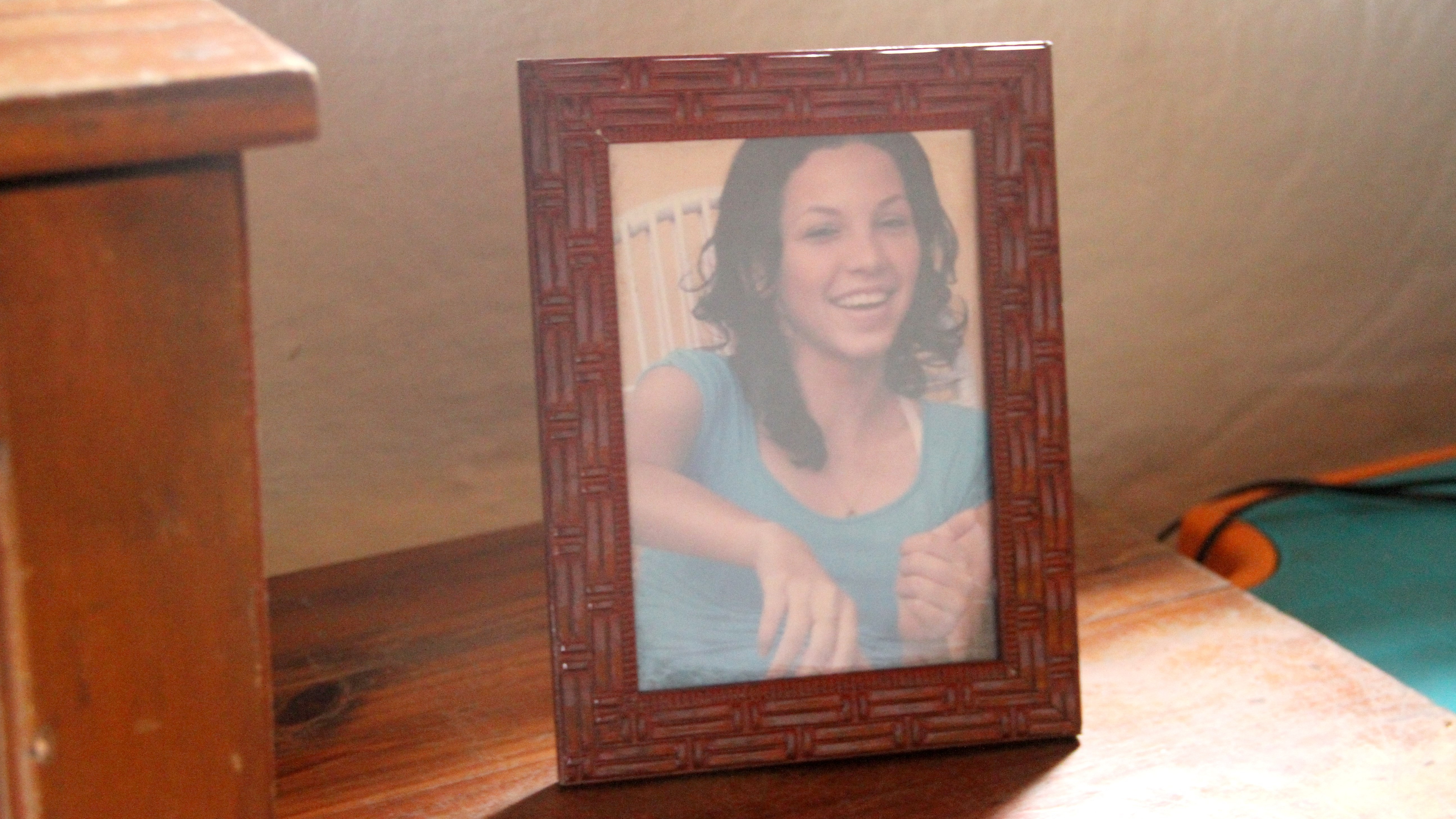
Fifteen years after the murder of teenager Rebeca Cristina, the case remains partially unresolved, with a second suspect identified by investigators never having been found. Rebeca was found murdered in a wooded area in Jacarapé, João Pessoa, on July 11, 2011. While her ex-stepfather, Military Police corporal Edvaldo Soares da Silva, has been convicted, a crucial piece of genetic evidence has never been attributed to anyone, leading investigators to believe he did not act alone.
Rebeca's best friend, Mykaelle Arruda, expressed that the lack of full justice is deeply felt, stating, "What's the point of him being arrested, but the rest not being? Complete justice has not been served." The Civil Police took over five years to indict Soares, exploring at least ten lines of investigation before concluding the inquiry, with support from criminologist Ilana Casoy. Despite extensive efforts, at least one other individual considered a suspect by the police has never been identified.
Rebeca, 15, disappeared on her way to school and was found deceased later that day, wearing only underwear and with a gunshot wound to the head. The autopsy revealed she had been sexually assaulted before being killed. Soares, the only person convicted, received a 31-year sentence for qualified homicide and aggravated rape. However, DNA tests excluded his presence, though 22 pieces of evidence linked him to the crime, including his unexplained absences from his post at the Róger Prison on the day of the murder. Investigators also noted Soares' history of sexual offenses, with a neighbor reporting Rebeca's discomfort with his inappropriate behavior. Soares denied involvement, claiming he was a scapegoat and treated Rebeca as his daughter. The possibility of a second perpetrator, potentially executed to silence them, remains a lingering question for investigators.
The enduring mystery of the second suspect in the Rebeca Cristina case highlights systemic challenges in complex investigations, particularly when involving multiple perpetrators or potential cover-ups. The passage of 15 years without full resolution underscores the critical need for robust forensic capabilities and investigative protocols that can maintain momentum and adapt to evolving evidence, such as advanced DNA analysis. The case also raises questions about accountability within law enforcement agencies, especially when an officer is implicated, and the psychological impact on victims' families when justice feels incomplete. Future investigative frameworks might benefit from independent oversight mechanisms to ensure thoroughness and impartiality, particularly in cases with sensitive personal histories or potential institutional complicity, thereby fostering greater public trust in the justice system.
AI-generated to prompt reflection — not editorial opinion, not advice, not a statement of fact. How this works.