Rebuilding France's Forests After Devastating Wildfires
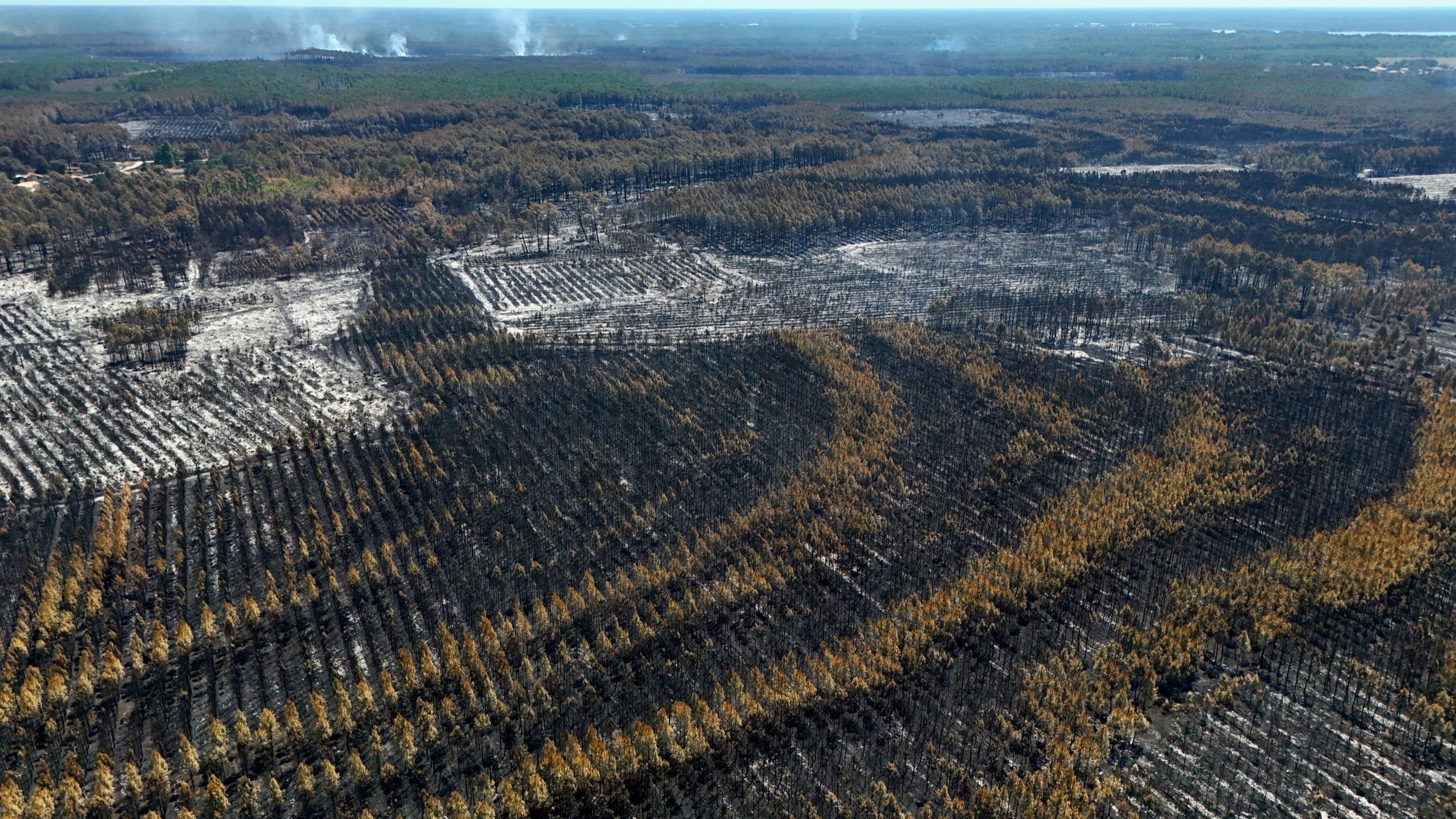
Following extreme fires that ravaged nearly 45,000 hectares in the Landes and Gironde regions of France, President Emmanuel Macron has called for the "rebuilding of a different forest." Researchers are proposing several solutions to restore the affected areas, though their recommendations have not always been heeded. The devastating fires, which occurred recently, have highlighted the vulnerability of these ecosystems. The scale of the destruction necessitates a strategic approach to reforestation that considers future climate challenges. Scientists are advocating for methods that promote resilience and biodiversity, moving away from monoculture plantations that are more susceptible to disease and fire. The urgency of the situation is underscored by the significant ecological and economic impact of the fires. The call for a "different forest" suggests a shift towards more sustainable and adaptive forestry practices. However, the challenge lies in effectively integrating scientific advice into policy and implementation. The success of these reforestation efforts will be crucial for the long-term health of the region and its natural heritage.
The recent wildfires in Landes and Gironde, which destroyed approximately 45,000 hectares, underscore the increasing risk posed by extreme weather events to European forests. President Macron's call to "rebuild a different forest" acknowledges the need for adaptive strategies beyond simple replanting. Researchers' proposals, though not always adopted, likely focus on enhancing forest resilience through diversification of species, improved fire management techniques, and potentially altered land-use planning. The challenge lies in bridging the gap between scientific recommendations and practical implementation, navigating economic pressures and existing land management frameworks. As climate change intensifies, the long-term sustainability of these vital ecosystems will depend on proactive, science-informed policies that prioritize ecological health and community safety over short-term economic gains.
AI-generated to prompt reflection — not editorial opinion, not advice, not a statement of fact. How this works.