Recent Global Earthquakes Spark Scientific Inquiry
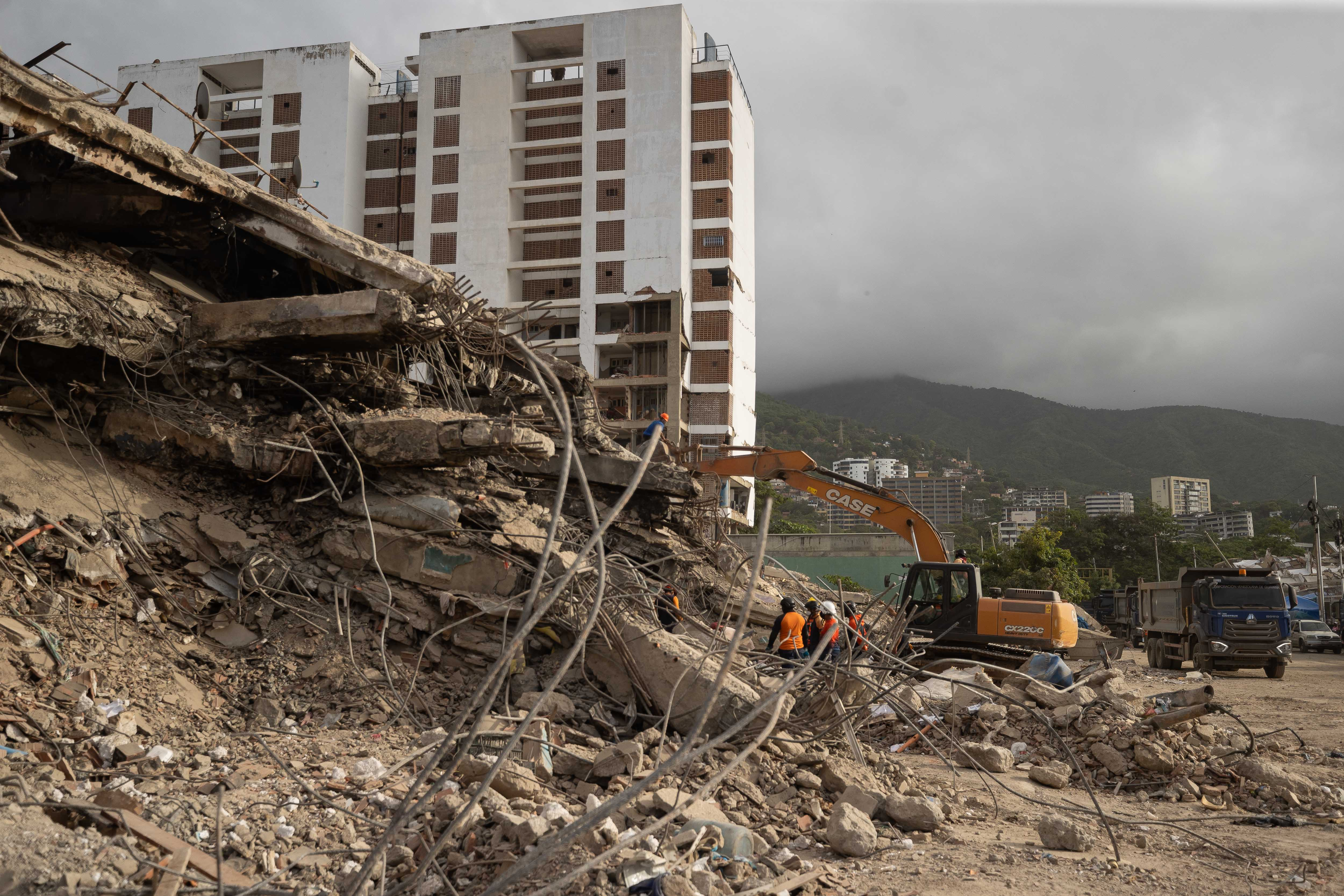
Multiple earthquakes have recently occurred worldwide, with the latest significant event being a magnitude 7.1 earthquake that struck Japan. This powerful tremor resulted in one fatality and injured over 80 people. The series of seismic activities has prompted scientific interest in understanding the underlying causes and patterns of these events. Scientists are investigating various geological factors that could contribute to increased earthquake occurrences. The recent Japanese earthquake serves as a stark reminder of the planet's dynamic geological processes and the potential hazards associated with them. Research continues to focus on improving earthquake prediction models and enhancing disaster preparedness measures globally.
The recent spate of global earthquakes, including a significant 7.1 magnitude event in Japan that caused fatalities and injuries, highlights the ongoing seismic activity inherent to Earth's tectonic plate movements. While individual events are often localized, their clustering can prompt scientific investigation into potential triggers or shifts in geological stress patterns. Understanding these phenomena involves analyzing complex subsurface dynamics, plate boundary interactions, and the long-term cycles of seismic energy release. Future preparedness and mitigation strategies will likely benefit from continued advancements in seismological monitoring and modeling, aiming to provide more accurate risk assessments and early warning capabilities.
AI-generated to prompt reflection — not editorial opinion, not advice, not a statement of fact. How this works.