Recife Mayor's Office and Viva Parques Sued Over Park Changes
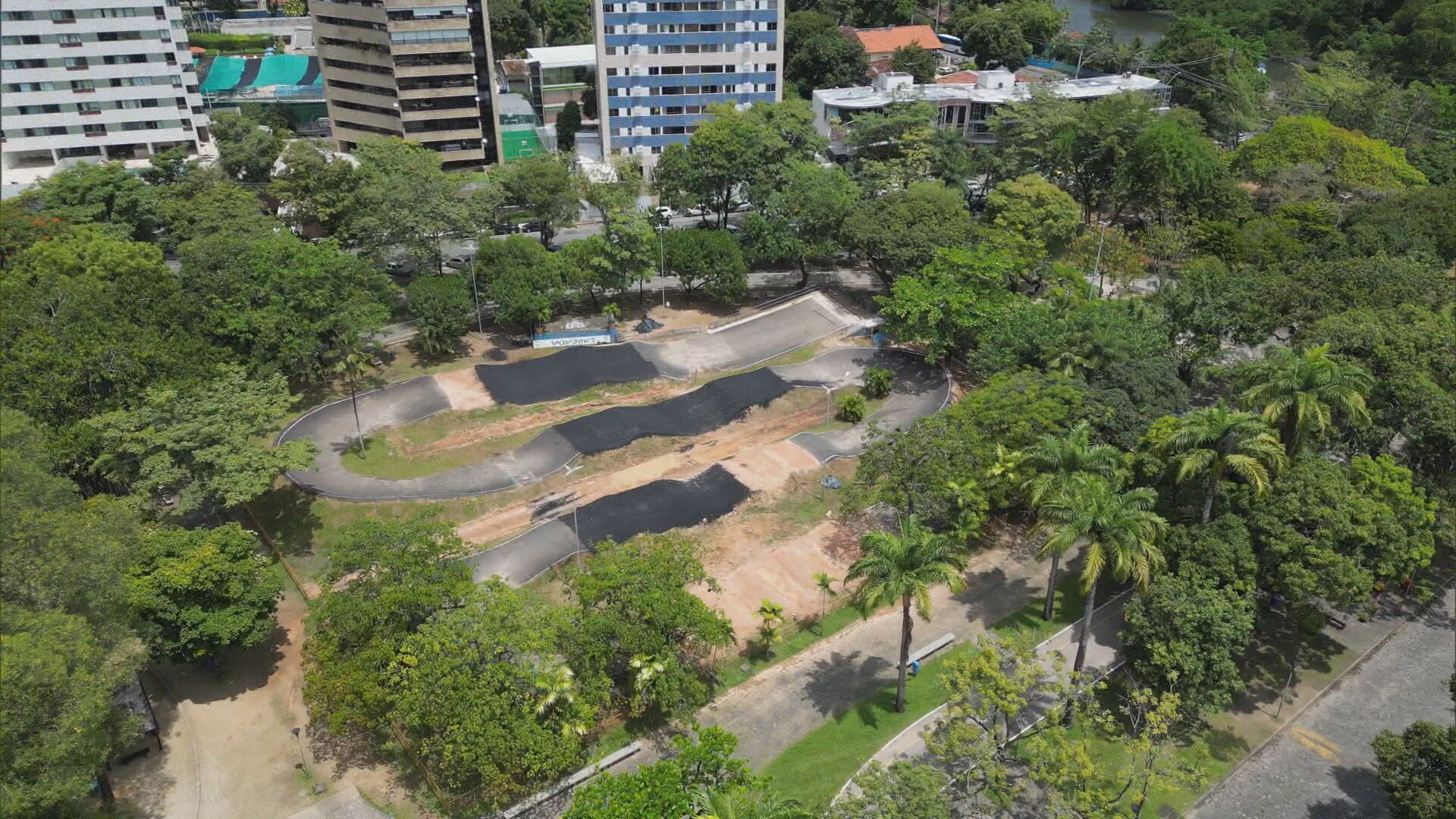
The Public Prosecutor's Office of Pernambuco (MPPE) has filed a civil lawsuit against the Recife mayor's office and the concessionaire Viva Parques for collective moral damages related to the management of Parque da Jaqueira. This action comes nearly 18 months after Viva Parques took over a 30-year concession for four parks in Recife, including Parque da Jaqueira. The lawsuit, filed on July 20th, specifically demands the reconstruction of a BMX track that was demolished in January. The MPPE also cites irregularities such as the promotion of paid events and the installation of advertisements, particularly for betting companies. The prosecutor's office is seeking an administrative process to investigate potential contract violations and has set the case value at R$ 6 million. The original BMX track, present since the park's opening 41 years ago, was considered part of the park's cultural heritage. The MPPE argues that its demolition and replacement with a gastronomic area, and later a smaller pump track, undermines the park's public function and accessibility. The lawsuit also criticizes the allowance of paid events and advertising within the park, which the MPPE contends transforms public space into a paid, exclusive zone, contradicting the principle of universal access and the park's social function. Both the mayor's office and Viva Parques have stated they will analyze the MPPE's claims, with Viva Parques noting they have not yet been officially notified.
This legal action highlights a potential conflict between public park management models that incorporate private concessionaires and the preservation of public access and recreational heritage. The MPPE's claims suggest that the concessionaire's commercialization strategies, including the demolition of established facilities for revenue-generating purposes and the introduction of advertising, may contravene the core public service mandate of urban parks. The case raises questions about the balance between financial sustainability through private partnerships and the safeguarding of community assets and equitable access. Future park management frameworks may need to more clearly define the boundaries of commercial activities and ensure robust public consultation mechanisms to prevent the erosion of public space's intrinsic social and cultural value, particularly in an era where urban green spaces are increasingly vital for well-being and community cohesion.
AI-generated to prompt reflection — not editorial opinion, not advice, not a statement of fact. How this works.