Recife Metro Line Halts After Power Outage; Passengers Walk Tracks in Darkness
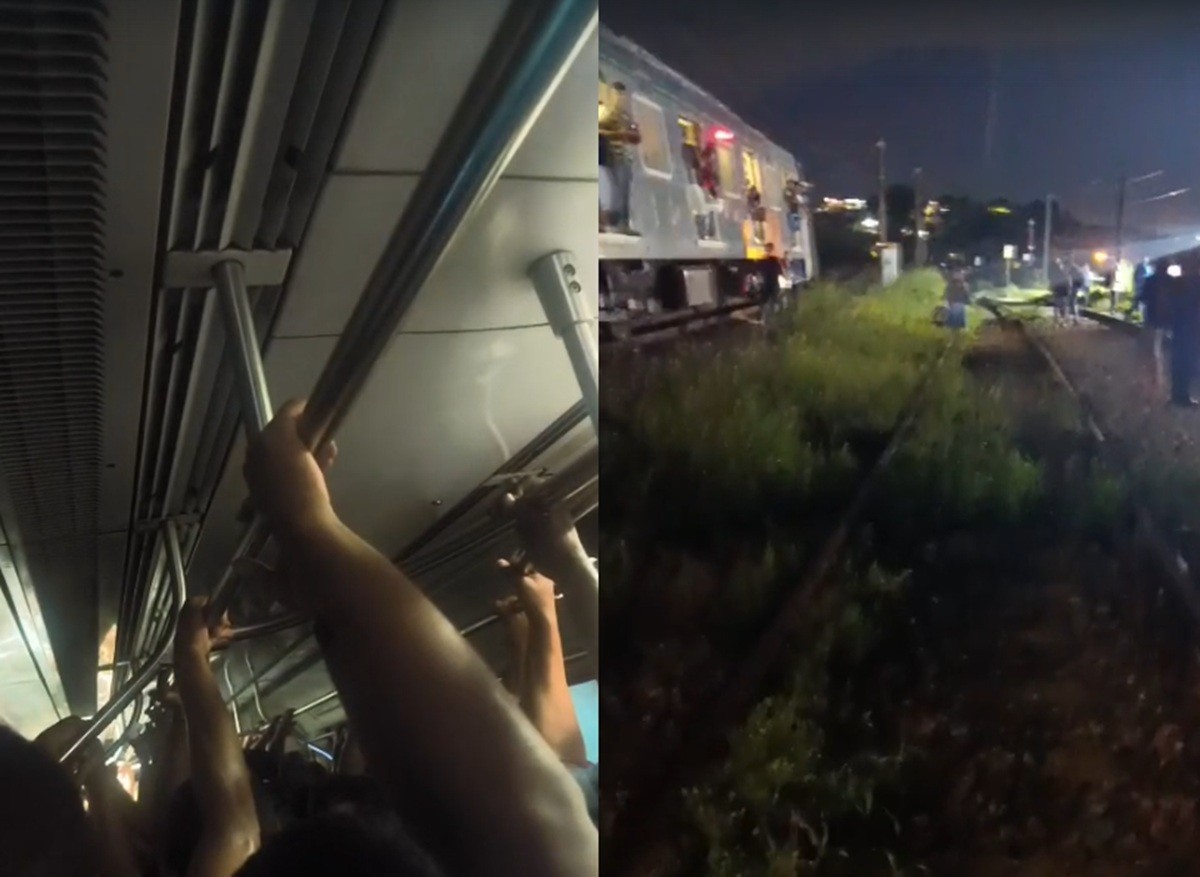
The Jaboatão branch of Recife's Centro Metro Line was shut down on Monday night, October 27, due to a power failure. The Brazilian Urban Train Company (CBTU) reported that a short circuit at the Cavaleiro station necessitated the system's paralysis. Video footage shows a train stopped between the Floriano and Engenho Velho stations, with passengers disembarking and walking on the tracks in the dark. The Jaboatão branch ceased operations at 6:04 PM, leading to the closure of the entire Centro Line, which serves the Camaragibe branch and comprises 19 stations. This line typically transports around 120,000 passengers daily. The Metropolitan Transport Council (CTM) was informed by CBTU and anticipates service restoration within two hours. In response, the CTM has arranged for increased bus services, activating three emergency routes to assist affected passengers. This marks the fourth metro disruption in less than a month, following previous issues on the Sul Line and another Centro Line outage on July 8. The Recife Metro has experienced recurrent problems for years. An agreement to transfer metro administration to the state level was reached last December, paving the way for a potential private concession. The Ministry of Cities plans to invest R$4 billion over the first five years of a 30-year concession, with no fare increases planned for 2026 and job preservation for CBTU employees. Earlier this year, both the Centro and Sul lines experienced closures due to external power failures, and a March incident involved a failure in the overhead power supply network. Since August 2024, metro services have been suspended on Sundays for maintenance work.
The repeated operational failures of the Recife Metro system, particularly the Centro Line, highlight significant systemic vulnerabilities in its infrastructure and maintenance protocols. The recurring power outages and mechanical issues, despite ongoing plans for privatization and investment, suggest a potential disconnect between capital allocation strategies and the immediate needs for operational stability and reliability. The system's reliance on external power sources and the frequency of failures raise questions about grid resilience and the adequacy of internal electrical systems. As the metro transitions towards potential concession, ensuring robust infrastructure and transparent oversight will be critical to prevent future disruptions and build public trust. The long-term viability of urban transit systems is increasingly tied to their ability to integrate advanced monitoring and predictive maintenance technologies, especially in the face of evolving urban mobility demands and climate-related infrastructure stresses.
AI-generated to prompt reflection — not editorial opinion, not advice, not a statement of fact. How this works.