Recife Metro's Camaragibe Line Suspended Due to Power Outage, Five Stations Closed
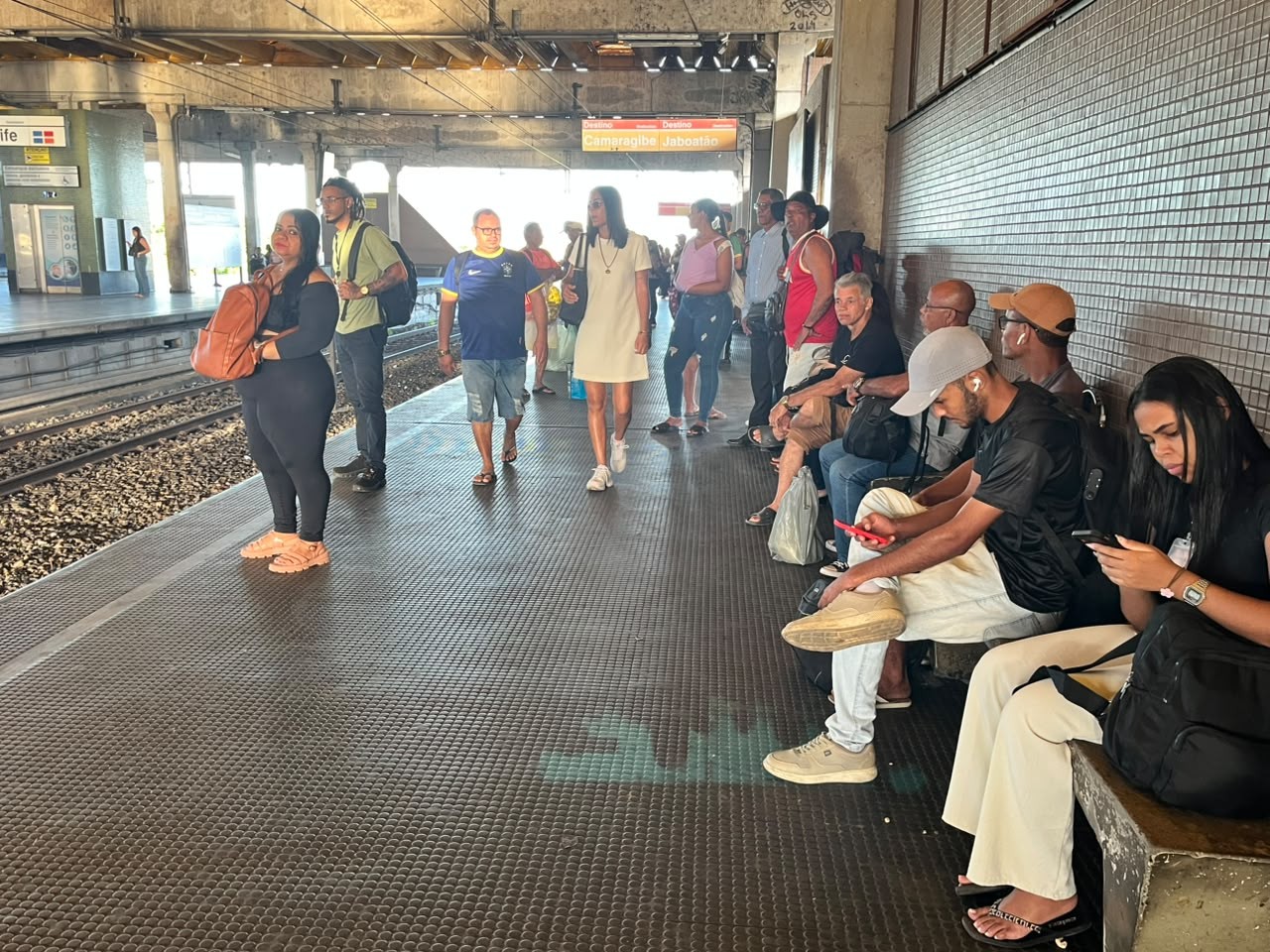
The Camaragibe branch of the Recife Metro's Center Line ceased operations early Wednesday morning, November 29th, due to an electrical grid issue. This disruption impacts approximately 45,000 daily commuters who rely on this specific line. The Brazilian Urban Train Company (CBTU) confirmed that five stations are currently closed: Camaragibe, Cosme e Damião, Rodoviária, Curado, and Alto do Céu. CBTU anticipates service restoration by the end of the morning. The suspension occurred because the Rodoviária substation, responsible for energizing the system for train circulation, experienced problems. The Jaboatão branch, also part of the Center Line, remains operational and unaffected by this incident. Inquiries made to the Metropolitan Transport Council (CTM) regarding the activation of emergency bus services for affected metro passengers had not received a response by the time of the report's last update. This incident adds to a pattern of recurring disruptions, including a July 27th power outage on the Jaboatão branch, a July 2nd electrical failure on the South Line, a March 5th electrical fault on the Center Line following a train derailment, and a two-day closure of the Camaragibe branch in February due to overhead network problems.
The repeated power failures affecting the Recife Metro's Camaragibe branch highlight systemic vulnerabilities in its electrical infrastructure and operational resilience. The reliance on a single substation for energizing the system creates a single point of failure, leading to significant daily disruptions for tens of thousands of passengers. This recurring pattern suggests a need for substantial investment in grid modernization, redundancy, and preventative maintenance. The lack of a prompt response from the Metropolitan Transport Council regarding emergency bus services also points to potential coordination gaps between transit authorities and passengers during critical failures. Looking ahead, such infrastructure weaknesses could become more pronounced as urban populations grow and demand for reliable public transport intensifies, necessitating a strategic review of long-term capital improvement plans and inter-agency emergency response protocols.
AI-generated to prompt reflection — not editorial opinion, not advice, not a statement of fact. How this works.