Recife Metro's Center Line Halts Operations Due to Electrical Fault
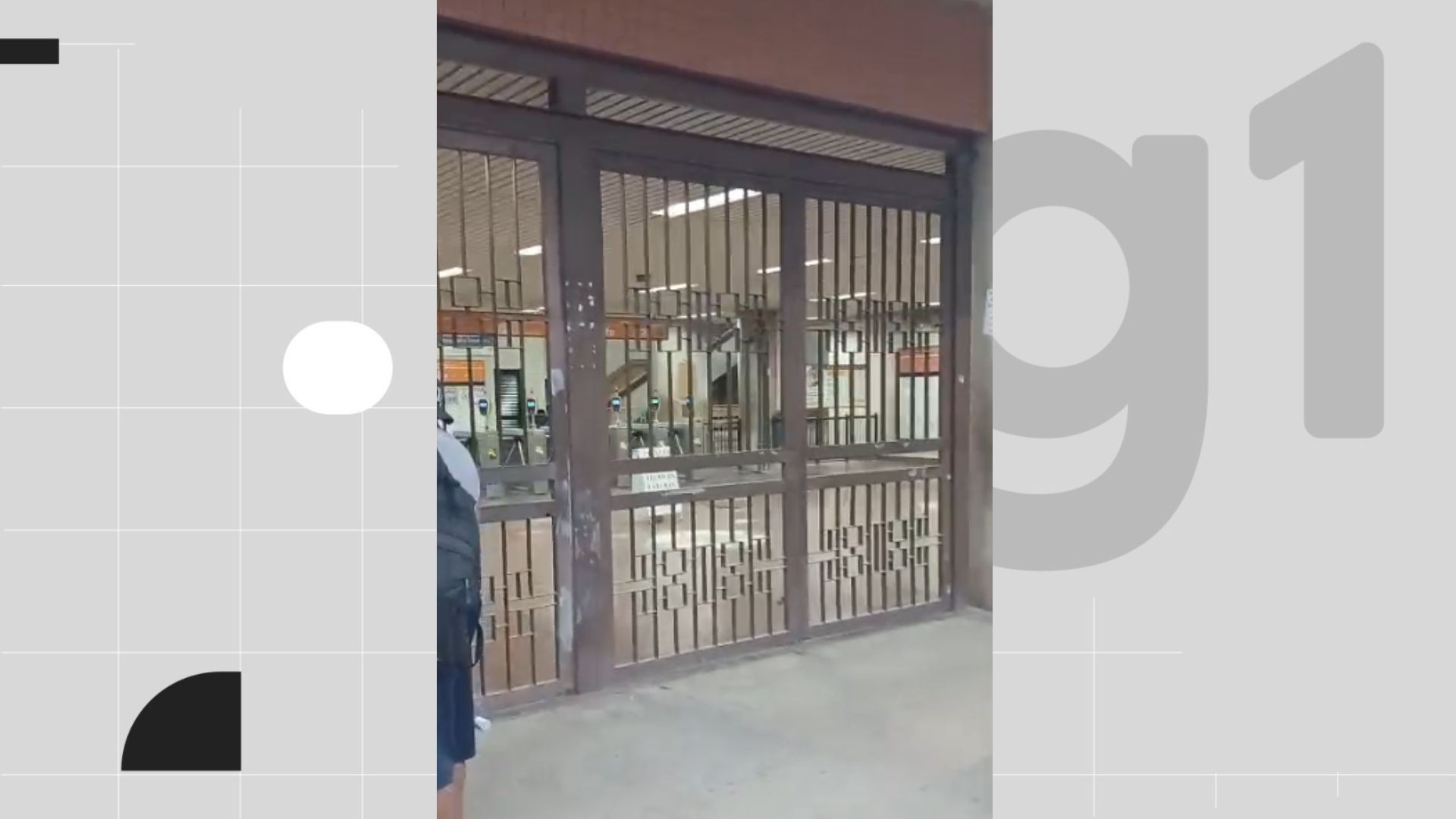
The Center Line of the Recife Metro in Brazil was shut down on Wednesday, May 8th, due to an electrical problem affecting its signaling system. The Brazilian Urban Train Company (CBTU) suspects that the issue was caused by the theft of three meters of cable at the Werneck viaduct. Consequently, all 19 stations on the Center Line, which includes the Camaragibe and Jaboatão branches, have been closed. The South Line of the metro remains operational. To mitigate the disruption for the approximately 170,000 daily passengers, four bus lines have had their services reinforced. This incident adds to a history of recurrent problems plaguing the Recife Metro system. In April, all 29 stations across both lines were closed for four hours due to an external power outage affecting substations. In March, the Center Line experienced a shutdown caused by a failure in the overhead power network. Since August 2024, the metro has not operated on Sundays due to ongoing maintenance work. A plan to transfer the administration of the Recife Metro from CBTU to the state government was agreed upon in December, with a subsequent study for private concession planned. This concession, expected to last 30 years, includes a R$4 billion investment over the first five years, with no fare increases anticipated in 2026 and assurances for CBTU employee job preservation.
The repeated operational failures and infrastructure damage, such as cable theft, within the Recife Metro system highlight systemic vulnerabilities in asset protection and maintenance. The ongoing reliance on external power and susceptibility to theft suggest potential deficiencies in security protocols and infrastructure resilience. While the planned concession and investment aim to modernize the system, the recurring disruptions underscore the immediate challenges in ensuring reliable public transportation. The long-term success of the concession will depend on addressing these foundational issues of security and infrastructure integrity, alongside the promised capital injection, to prevent future service interruptions and restore public confidence in the metro's operational capacity.
AI-generated to prompt reflection — not editorial opinion, not advice, not a statement of fact. How this works.