Recife Metro's South Line Reopens 12 Stations After Air Network Failure
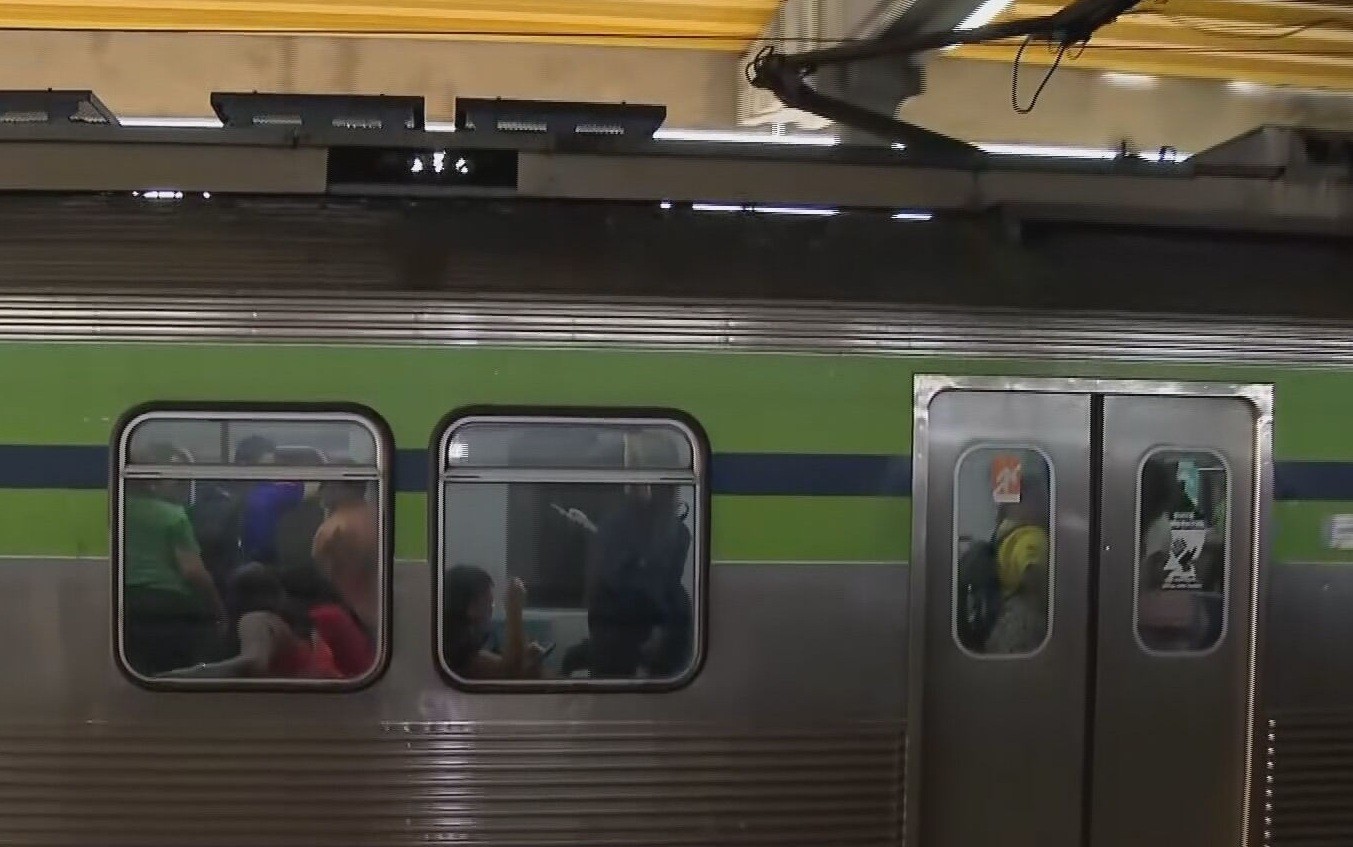
The South Line of the Recife Metro has resumed operations on Friday, March 3rd, after a failure in its air network caused a temporary shutdown. Twelve stations, closed since Thursday afternoon, were reopened at 6 AM. The issue stemmed from a fault detected between the Porta Larga and Prazeres stations, with repair work on the electrical cable system concluding by 5 AM. While the South Line is back online, passengers reported significant delays and longer intervals between trains. This marks the third disruption on the South Line in less than a month and the second in just three days. The South Line covers a 25.2-kilometer route between Recife and Jaboatão dos Guararapes, serving approximately 60,000 passengers daily. Previous incidents include a seven-hour closure on Monday, February 29th, due to insufficient train availability, and a derailment on June 9th between the Joana Bezerra and Recife stations. The metro system has experienced recurring problems, including electrical failures, derailments, fires, and strikes affecting both the South and Center lines in recent years, impacting thousands of commuters.
The repeated failures on the Recife Metro's South Line highlight systemic challenges in maintaining critical infrastructure, particularly given its reliance on aging rolling stock from the 1980s. Frequent disruptions, including electrical faults and derailments, suggest potential issues with maintenance protocols, investment in upgrades, or operational management. The recurrence of these problems, despite repairs, points to a need for a comprehensive review of the air network and related systems, rather than solely addressing immediate faults. Such persistent service interruptions not only inconvenience daily commuters but also raise questions about the long-term reliability and safety of the public transportation system. Addressing these issues proactively through modernization and robust maintenance strategies will be crucial for ensuring consistent service and public trust in the coming years.
AI-generated to prompt reflection — not editorial opinion, not advice, not a statement of fact. How this works.