Recife Metro's South Line Shut Down Again Due to Electrical Failure
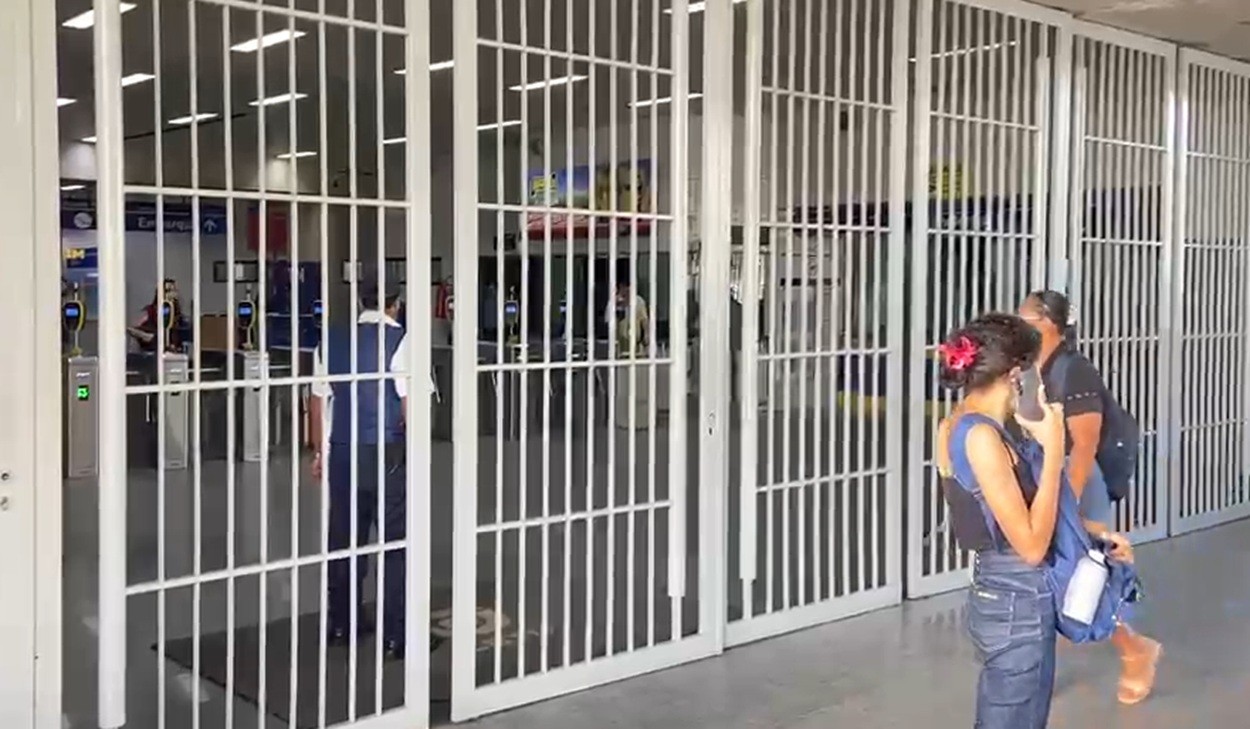
The South Line of the Recife Metro in Brazil was shut down on Thursday, October 2nd, following a new failure in its overhead electrical network. This marks the second disruption on this line within three days and the third in less than a month, significantly impacting daily commuters. The problem affected the entire overhead power system, which supplies energy to the trains, leading to the closure of all 12 stations on the South Line. The failure occurred around 3:20 PM between the Porta Larga and Prazeres stations, and maintenance teams are currently working on repairs. The South Line covers a 25.2-kilometer route connecting Recife and Jaboatão dos Guararapes, serving approximately 60,000 passengers daily. The previous shutdown on Monday, September 29th, lasted seven hours due to an insufficient number of operational trains, highlighting issues with the aging fleet. The South Line's trains, dating back to the 1980s, are supposed to operate with seven trains but have been running with only five for months. The minimum required for operation is four trains, a threshold that was not met on September 29th. In response to the current closure, four bus lines have been reinforced to accommodate affected passengers. This incident adds to a series of recurring problems on the Recife Metro, including a derailment on June 9th and previous electrical and operational issues on both the South and Center lines throughout 2025 and 2026.
The repeated failures on the Recife Metro's South Line, attributed to electrical network issues and an aging fleet, highlight systemic challenges in public transportation infrastructure maintenance and investment. The reliance on trains from the 1980s and the consistent operational disruptions suggest a critical need for modernization and a review of maintenance protocols. The recurring nature of these incidents, impacting tens of thousands of daily commuters, raises questions about the long-term sustainability and reliability of the system under current management and funding structures. Future planning must consider the integration of modern transit technologies and robust maintenance strategies to ensure consistent service delivery and prevent further disruptions.
AI-generated to prompt reflection — not editorial opinion, not advice, not a statement of fact. How this works.