Recife Protests Block Major Roads Over Unpaid Emergency Aid for Flood Victims
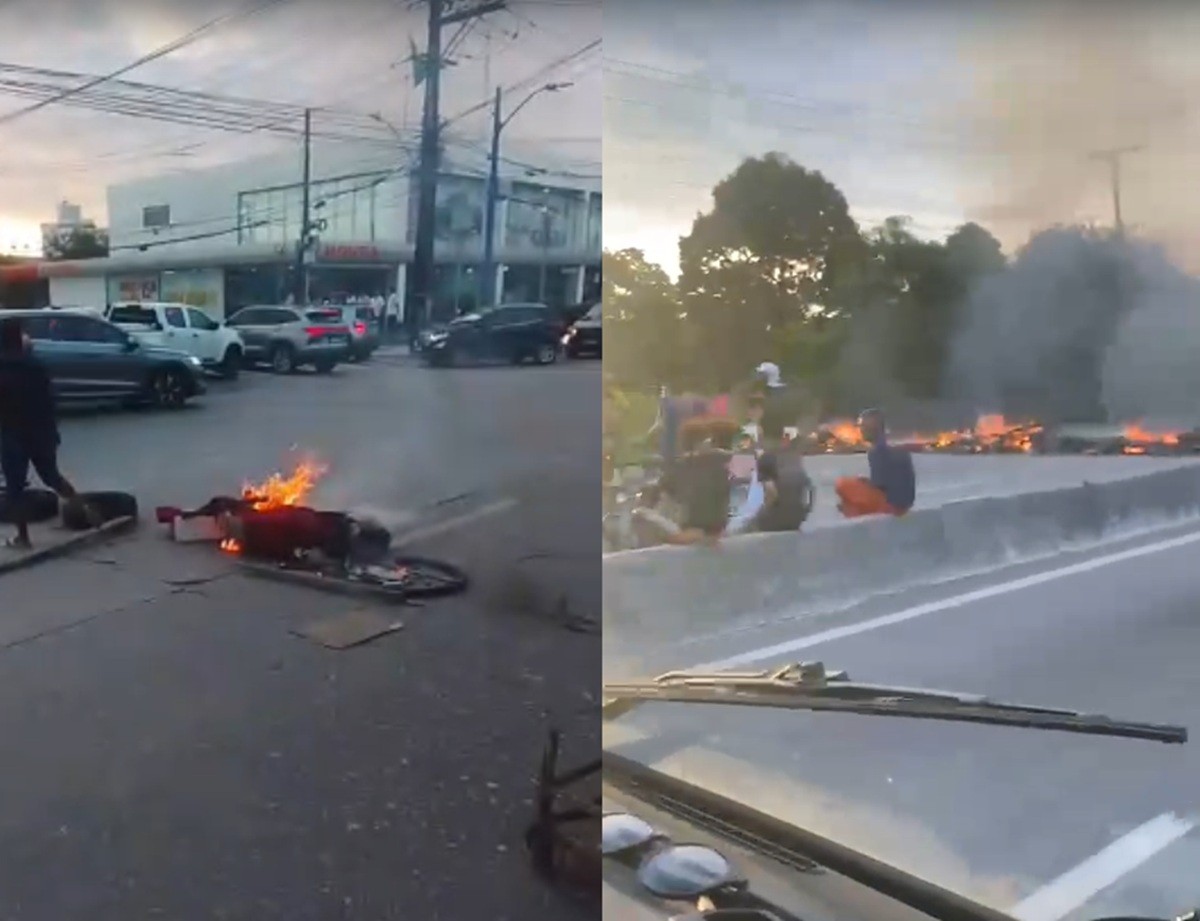
Two simultaneous protests disrupted traffic on Avenida Mascarenhas de Morais and BR-101 in Recife, Brazil, on Monday afternoon, May 7th. Demonstrators, primarily families affected by severe rains in May that impacted 27 municipalities, blocked roadways by setting fire to tires and debris. These actions led to significant traffic congestion in both the Imbiribeira and Caxangá neighborhoods. The protesters claim they have not received the promised R$2,500 emergency aid from the state government, despite registering for it and experiencing property damage from the floods. One unidentified demonstrator stated that many who registered have not yet received the funds, even though their homes were flooded. The protest on Mascarenhas de Morais began around 5 PM, near an Assaí supermarket, while the BR-101 protest occurred at kilometer 65. Firefighters were dispatched to both locations. The emergency aid, established by a law sanctioned on May 14th by Governor Raquel Lyra, provides a single payment of R$2,500 to families with documented material damages from floods or landslides. The program allocates R$8.7 million to assist up to 3,500 residents, targeting low-income individuals registered in the Federal Government's CadÚnico who suffered total or partial loss of their homes and essential belongings. Proof of damage from municipal authorities is required, and those not registered or with outdated CadÚnico information were to receive priority assistance.
The protests highlight a critical breakdown in the delivery of disaster relief, underscoring the gap between government policy enactment and its tangible impact on affected citizens. The R$2.500 emergency aid, intended to alleviate hardship for thousands of low-income families in Recife, appears to have faced significant implementation challenges, leading to public frustration and disruptive demonstrations. This situation raises questions about the state government's administrative capacity and communication channels in managing crisis response and aid distribution. Moving forward, effective disaster management will require robust systems for verifying eligibility, processing claims efficiently, and ensuring transparent communication with beneficiaries, particularly in the face of escalating climate-related events. The state's responsiveness to these immediate concerns will be a key indicator of its preparedness for future challenges.
AI-generated to prompt reflection — not editorial opinion, not advice, not a statement of fact. How this works.