Recife Protests Demand Flood Aid; Government Claims All Registered Families Paid
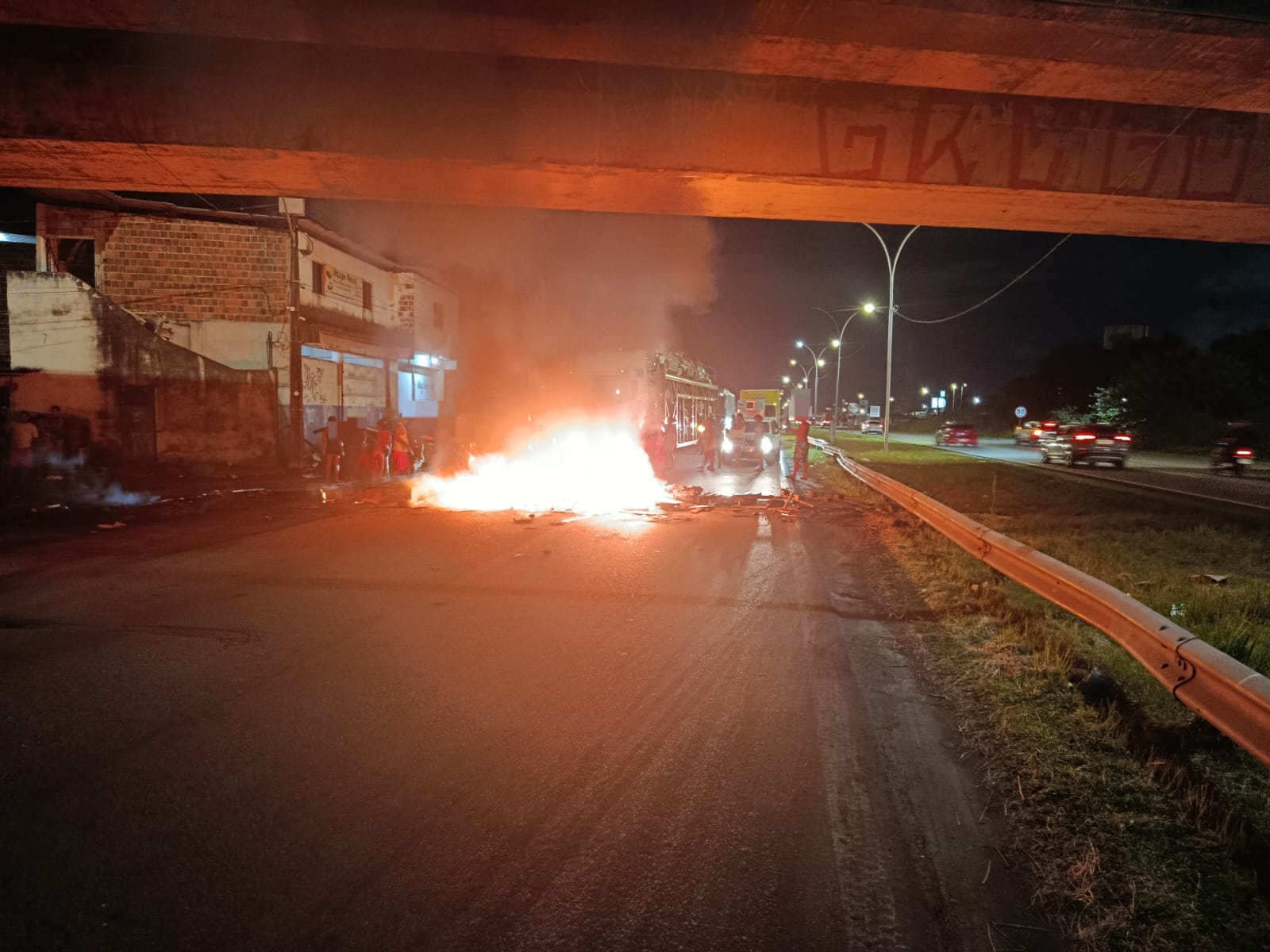
Protests demanding emergency aid for victims of recent heavy rains continued in Recife, Brazil, on Thursday, May 9th. Demonstrators blocked the BR-101 highway, specifically at km 70 in Jardim São Paulo, marking the third consecutive day of protests. The protesters are demanding the state government of Pernambuco disburse the R$2,500 emergency aid intended for families affected by the severe storms in May, which caused states of emergency in 27 municipalities across the Greater Recife and Zona da Mata regions. Images showed the highway blocked by burning tires and debris, with traffic backed up.
In response, Andreza Pacheco, the state Secretary of Social Assistance, Combatting Hunger, and Drug Policies, stated in a press conference that all 3,500 registered families eligible for the "Auxílio Pernambuco" benefit have already been paid. She suggested that individuals who have not received the aid may not have met the program's criteria. The R$2,500 aid, established by a state law signed on May 14th by Governor Raquel Lyra, is a one-time payment for low-income families registered in the federal CadÚnico system who experienced total or partial property damage or loss of essential household items due to the floods. The government allocated R$8.7 million for this program, aiming to assist up to 3,500 residents. Secretary Pacheco indicated that there are no current plans to expand the number of beneficiaries and that families who arrived after the initial registration period might not qualify under the prioritization criteria. She could not confirm if protesters would be included, emphasizing that the aid was an additional measure to ongoing relief efforts.
The protests highlight a critical gap between government aid distribution and the perceived needs of flood victims in Recife. While the state government asserts that all registered families have received the R$2,500 emergency payment, the persistent demonstrations suggest either communication failures, unmet eligibility criteria for a segment of the affected population, or a perception of inadequacy in the aid provided. The government's explanation, focusing on registration and eligibility, points to potential systemic issues in how disaster relief is assessed and communicated, particularly in the aftermath of widespread damage. Future policy considerations should address robust verification processes, transparent communication channels for aid applicants, and potentially more flexible eligibility frameworks for emergency assistance to mitigate social unrest and ensure equitable support during crises. The situation underscores the ongoing challenge of balancing fiscal responsibility with humanitarian imperatives in disaster response.
AI-generated to prompt reflection — not editorial opinion, not advice, not a statement of fact. How this works.