Recife PT Leader Resigns to Back Governor Lyra, Citing Persecution by Mayor Campos
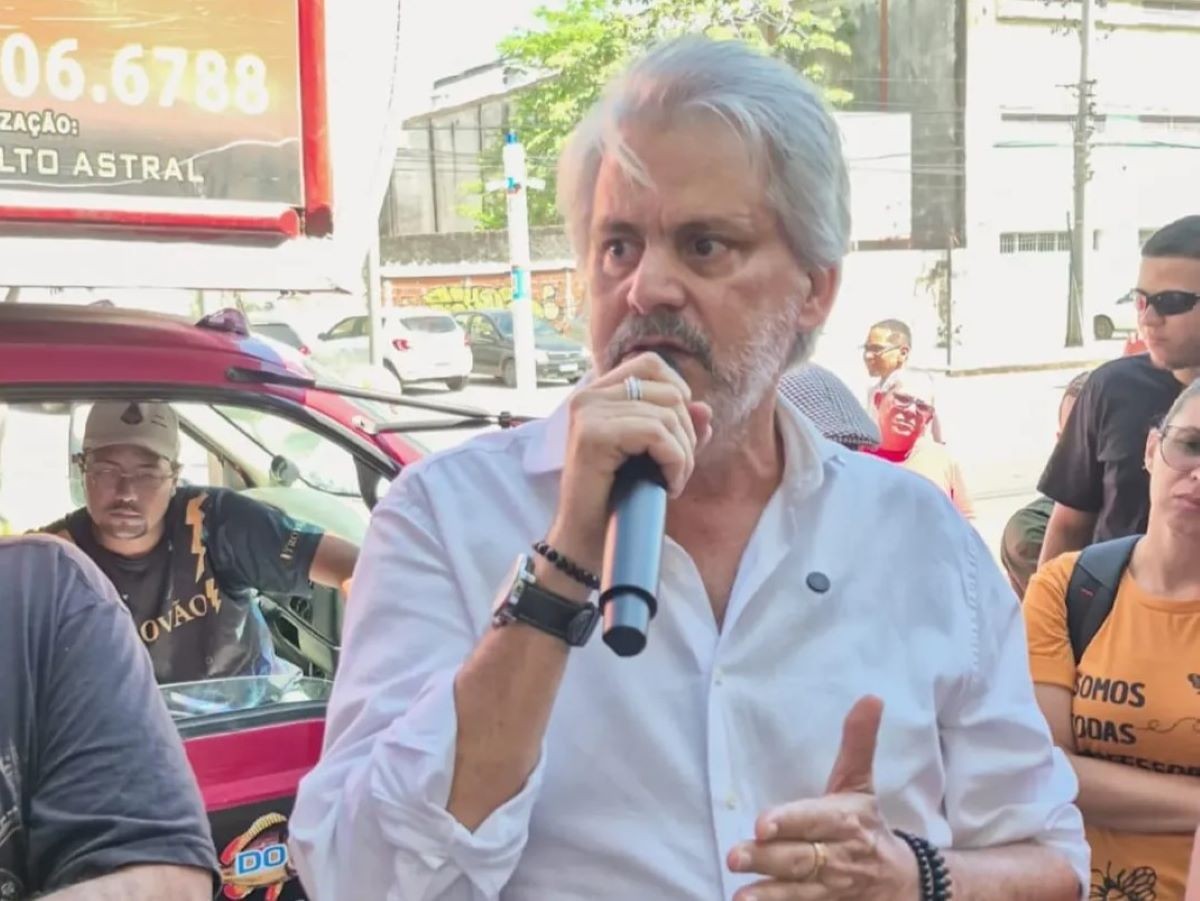
Osmar Ricardo, the municipal president of the Workers' Party (PT) in Recife and a city councilor, has taken a leave of absence from his party leadership role to campaign for Governor Raquel Lyra (PSD). This decision comes despite the PT officially endorsing former Recife Mayor João Campos (PSB) for governor in Pernambuco. Ricardo stated that his move is a response to alleged "persecution" by Campos, whom he claims has targeted him. He intends to join Governor Lyra's re-election campaign coordination team, leveraging his extensive experience as a six-term councilor and knowledge of Recife. Ricardo also mentioned that other party members disagree with the PT's alliance with the PSB and that his vote was against the decision to support Campos. He revealed that his vote against the alliance with the Popular Front coalition, led by the PSB, was a key factor in his decision to step down and campaign freely. He also reaffirmed his support for his PT colleague, Humberto Costa, in the Senate race and for President Lula's campaign. The PT's municipal directorate, now led by interim president Romero Carvalho, stated that Ricardo's leave is for "personal reasons" and that the party fully supports the Popular Front's ticket. The state PT leadership, represented by Federal Deputy Carlos Veras, emphasized that all members should adhere to party directives, though no internal administrative process has been initiated against Ricardo.
This situation highlights internal party divisions and strategic realignments driven by electoral competition and personal grievances. The councilor's departure from his leadership post to support a rival candidate suggests a significant disconnect between local party sentiment and official endorsements, potentially stemming from perceived political retaliation. Such actions can create ripple effects, influencing voter perception and the internal dynamics of both the PT and the broader political landscape in Pernambuco. The analysis of this event necessitates an examination of the incentive structures that drive politicians to prioritize personal allegiances or perceived injustices over party discipline, particularly in the context of upcoming elections and the evolving political alliances within Brazil.
AI-generated to prompt reflection — not editorial opinion, not advice, not a statement of fact. How this works.