Recife Residents Block Roads for Second Day Demanding Flood Relief Aid
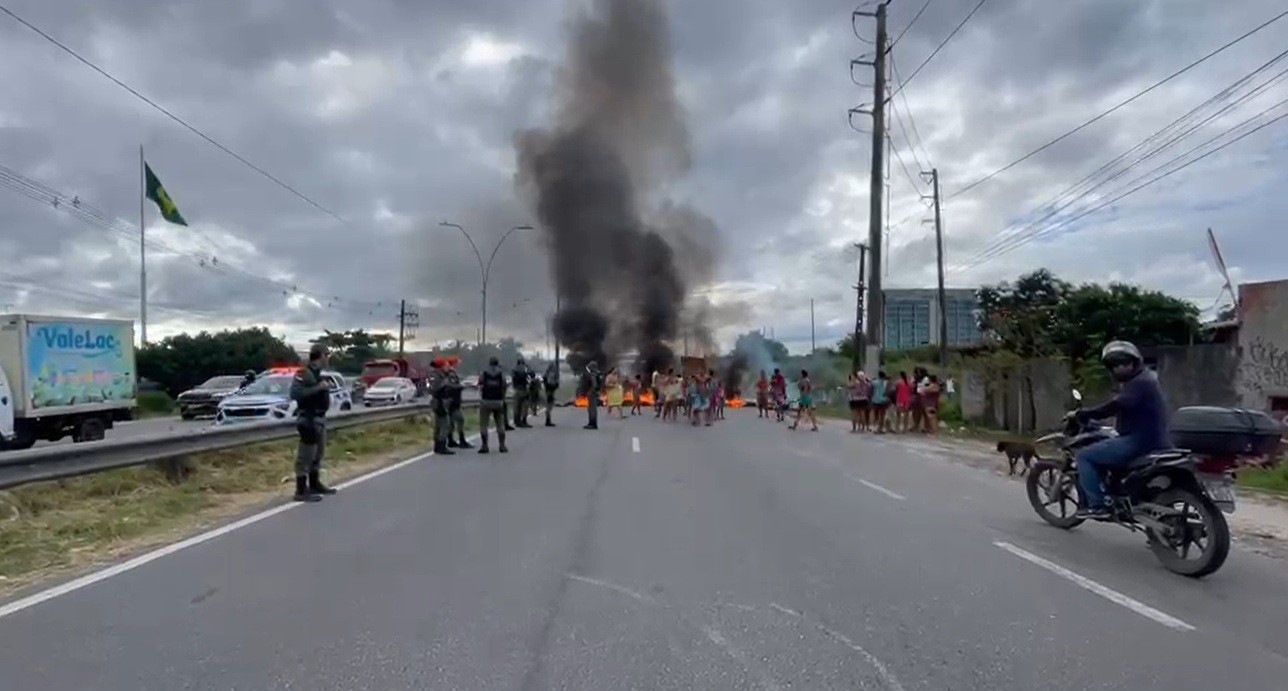
For the second consecutive day, families in Recife, Brazil, blocked major avenues on Wednesday, May 8th, to protest the delayed disbursement of emergency aid for flood victims. Protests simultaneously occurred on Avenida Recife and Avenida Mascarenhas de Morais, with demonstrators setting tires and debris ablaze. This action follows similar disruptions on Tuesday, May 7th, when Avenida Mascarenhas de Morais and BR-101 were also blocked. The demonstrators are demanding the R$2,500 emergency aid payment for families impacted by severe rains in May, which affected 27 municipalities in the Greater Recife and Zona da Mata regions, leaving them in a state of emergency. According to the protesters, only a portion of eligible beneficiaries have received the aid from the Pernambuco state government, leading to widespread indignation. The aid, established by a law sanctioned on May 14th by Governor Raquel Lyra, is a one-time payment of R$2,500 intended for low-income families registered with the Federal Government's CadÚnico who suffered total or partial property damage and loss of essential furniture and appliances due to the floods. The state allocated R$8.7 million to assist up to 3,500 residents. Proof of damage issued by the municipality is required to receive the aid, and priority is being given to those not registered or with outdated CadÚnico information. As of the latest update, the Pernambuco government had not responded to inquiries regarding the aid distribution process.
The protests highlight a critical disconnect between government aid initiatives and the urgent needs of affected populations. While the Pernambuco government established a relief fund for flood victims, the reported selective or incomplete disbursement of funds has triggered public unrest. This situation underscores the importance of transparent and efficient distribution mechanisms for emergency aid, particularly in regions vulnerable to climate-related disasters. Future policy considerations should focus on robust tracking systems and clear communication channels to ensure aid reaches all intended beneficiaries promptly, thereby mitigating social instability and rebuilding trust between citizens and authorities. The event also points to systemic challenges in disaster preparedness and response infrastructure, which require long-term investment and strategic planning to address the increasing frequency and intensity of extreme weather events.
AI-generated to prompt reflection — not editorial opinion, not advice, not a statement of fact. How this works.