Recife Residents Protest for Fourth Day Seeking Flood Relief Aid
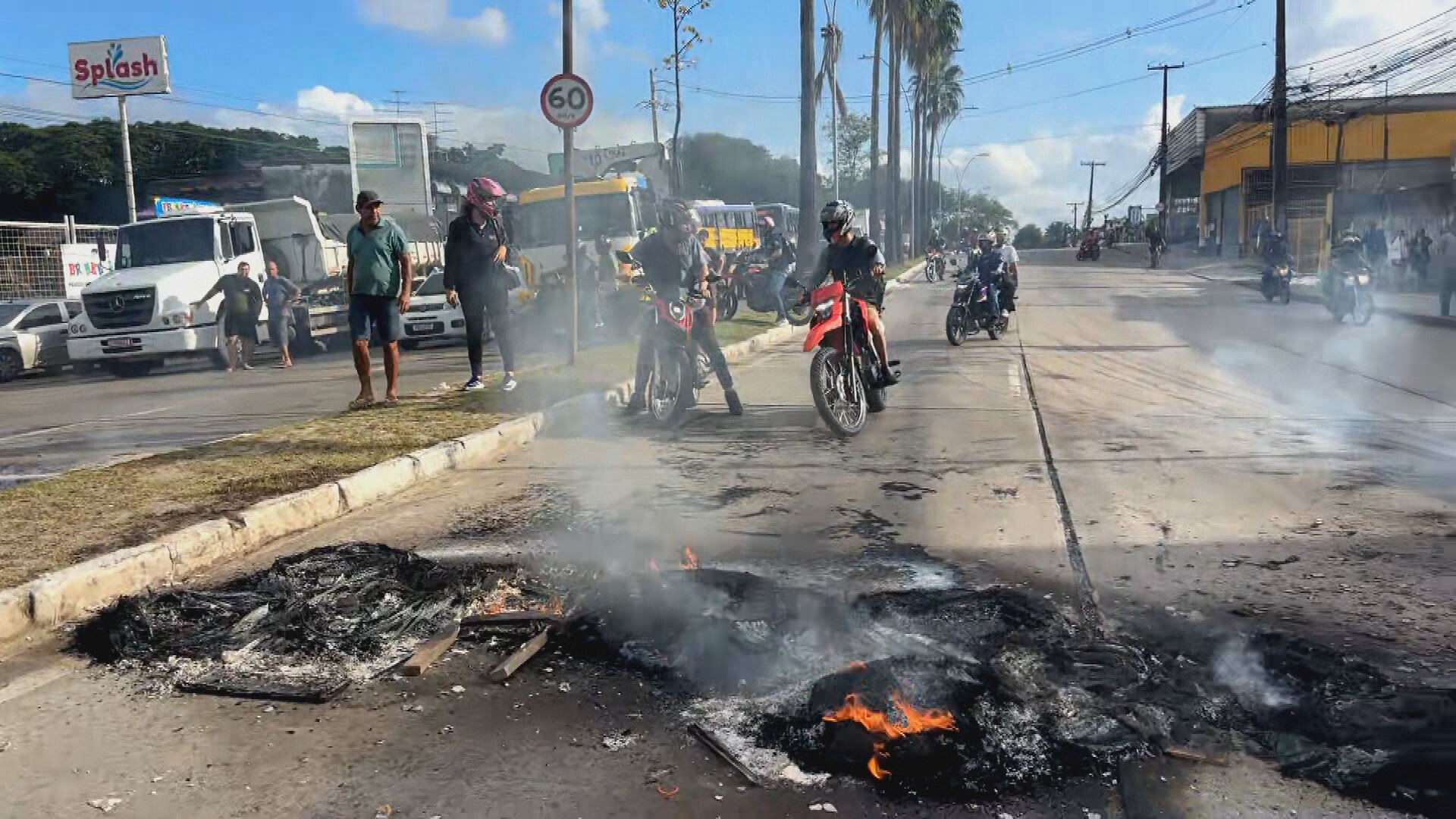
For the fourth consecutive day, residents of Recife, Brazil, have been protesting to demand inclusion in the list of families eligible for "Auxílio Pernambuco," a relief fund established for victims of heavy rains in May and June. On Friday, July 10th, demonstrators blocked both directions of Avenida Recife in the Ipsep neighborhood, located in the city's South Zone. The Pernambuco state government stated that it has disbursed the R$2.5 thousand aid to all families who met the established criteria for receiving it. The severe rainfall had previously placed 27 municipalities in the Greater Recife and Zona da Mata regions under a state of emergency in May. The protests, which began around 7 AM near Avenida Dom Hélder Câmara, involved burning tires and debris, prompting the intervention of the Fire Department and Military Police to clear the roadway. The state law, sanctioned on May 14th by Governor Raquel Lyra, allocates a one-time payment of R$2.5 thousand per family demonstrating material damage from floods or landslides. The program has a budget of R$8.7 million, intended to assist up to 3,500 families across the affected areas. Eligibility requires low-income status, registration in the federal Cadastro Único (CadÚnico), and proof of total or partial property loss or damage to essential household items. Municipal documentation of rain-related damage is also necessary, with priority given to those not registered or with outdated CadÚnico information. The state government, through its Executive Secretary for Peripheries, Pedro Ribeiro, indicated no plans to expand the aid, suggesting that non-recipients may not have met the legal criteria. Ribeiro also noted that R$168 million has been allocated for overall flood victim assistance, including basic food baskets and essential items, with priority given to vulnerable groups like single mothers, individuals with disabilities, and the elderly. Municipalities received R$1.2 million for localized aid such as rental assistance and food baskets. The Recife City Hall reported submitting a list of 9,037 affected families on June 11th, asserting that the state government is responsible for beneficiary selection and aid distribution. The city conducted over 20,000 home visits to assess cases, and the state decree requires official Civil Defense reports, per capita monthly income up to half a minimum wage, active CadÚnico registration, and residency in a state-recognized emergency zone.
The ongoing protests in Recife highlight a critical disconnect between state relief efforts and the lived experiences of flood-affected citizens, particularly concerning eligibility criteria for financial aid. While the Pernambuco government asserts adherence to legal frameworks and prioritization of vulnerable groups, demonstrators' persistent demands suggest a perceived inadequacy or inequitable distribution of resources. The situation underscores the systemic challenge of translating broad emergency funding into targeted, effective support that reaches all genuinely impacted households. Future disaster response frameworks might benefit from more transparent communication channels, community-led needs assessments, and adaptable mechanisms to address emergent cases beyond initial parameters, especially in the context of increasingly frequent extreme weather events driven by climate change. Ensuring that aid distribution processes are perceived as fair and are demonstrably effective is crucial for maintaining public trust and facilitating community recovery.
AI-generated to prompt reflection — not editorial opinion, not advice, not a statement of fact. How this works.