Recife's Historic Cinema São Luiz Reopens with Permanent Schedule and Audiovisual Memory Center
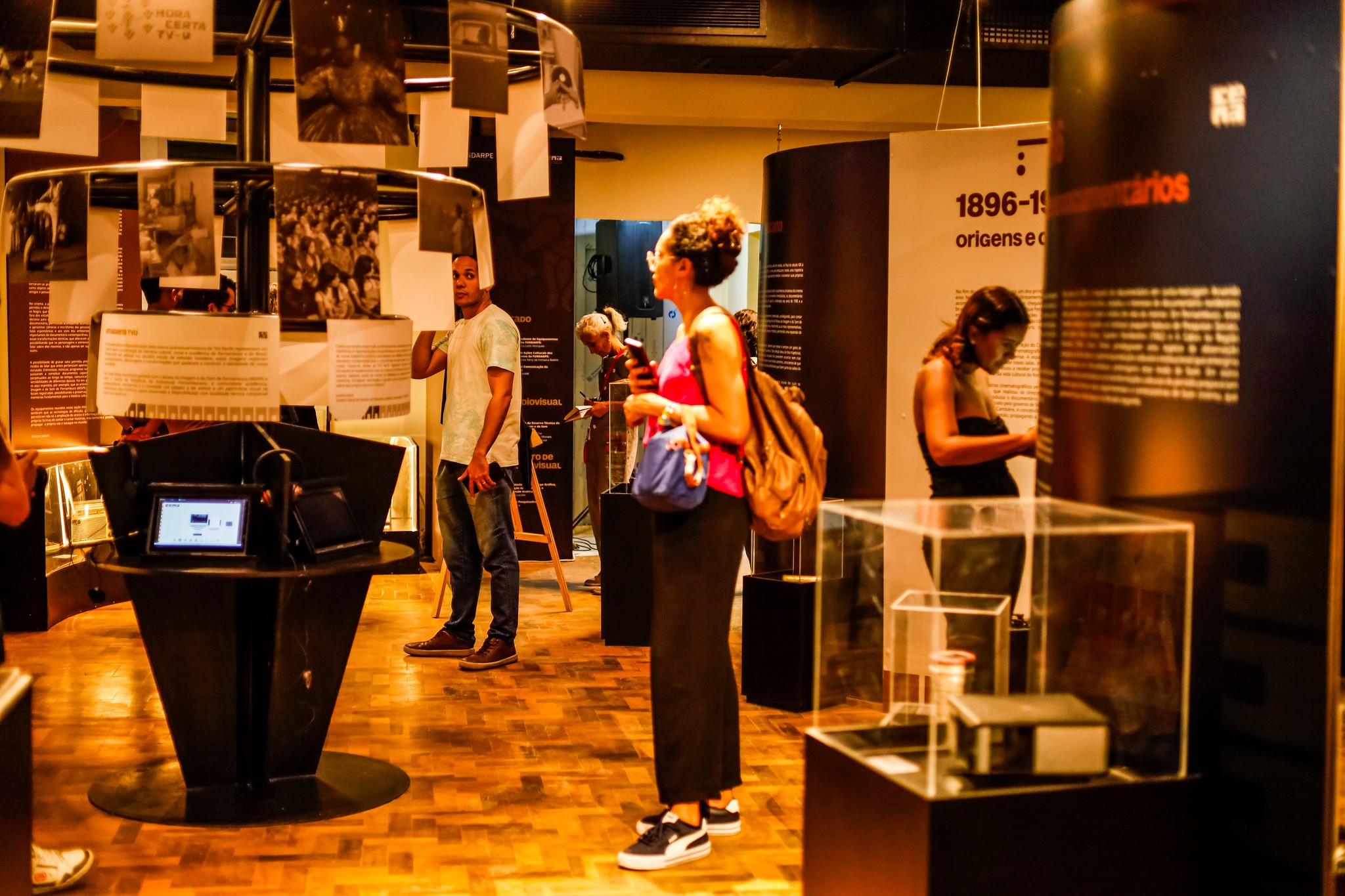
The iconic Cinema São Luiz in Recife, a landmark of the city's historic center and featured in films like "O Agente Secreto," has unveiled a new attraction: the Pernambucan Audiovisual Reference Center (Cena). Located on the second floor, this 120-square-meter space, managed by the Foundation for the Historical and Artistic Heritage of Pernambuco (Fundarpe), houses a permanent exhibition from the Museum of Image and Sound (Mispe) and research stations for digitized materials. The Cena's collection includes photographs, films, records, scores, historical equipment, and television reports, offering a comprehensive view of Pernambuco's audiovisual and cultural production. Highlights include a timeline of state cinema history, recordings from TV Universitária, scores by maestro Nelson Ferreira, and rare television and film works. Researchers can also access digitized documents by appointment, featuring materials from notable figures like João Cabral de Melo Neto and Cícero Dias. Additionally, the new Sala Geraldo Pinho, named after a former Cinema São Luiz programmer, provides an immersive experience on the history of Recife's street cinemas. Alongside the Cena's inauguration, Cinema São Luiz has resumed a permanent programming schedule, screening films from Wednesday to Sunday. This expansion follows its reopening in November 2024 after extensive structural repairs. Ticket prices are R$10 for general admission and R$5 for concessions. The initial week featured a diverse lineup of Brazilian and international films, including documentaries, debates, and premieres, kicking off with Tuca Siqueira's documentary "Buenos Aires."
The reopening of Cinema São Luiz and the establishment of the Cena audiovisual memory center represent a significant cultural revitalization effort for Recife. By preserving and showcasing Pernambuco's audiovisual heritage, these initiatives aim to foster local identity and provide educational resources. The permanent programming and expanded schedule offer a sustainable model for cultural venues, potentially stimulating local economies through increased foot traffic and tourism. This move aligns with broader trends of urban regeneration through cultural investment, emphasizing the symbiotic relationship between historical preservation, contemporary artistic expression, and community engagement. The success of such ventures hinges on continued public support, effective management of resources, and adaptability to evolving audience preferences in the digital age.
AI-generated to prompt reflection — not editorial opinion, not advice, not a statement of fact. How this works.